Owning a home in Missouri means keeping your roof in good condition year-round. Whether you live in Washington, Wildwood, Frontenac, Town & Country, Chesterfield, Eureka, Augusta, Union, or Pacific, your roof faces everything from heavy rain and wind to ice, snow, and strong summer sun. The National Roofing Contractors Association (NRCA) has set clear inspection standards that help homeowners ensure their roofs are safe, durable, and capable of protecting their homes.
At RC Roofing, we follow these NRCA roof inspection standards to provide accurate, reliable assessments of your roofing system. In this comprehensive guide, we’ll explain what NRCA guidelines are, why they matter, and how RC Roofing applies these best practices to every inspection. Learn to more information with follow us on Facebook. By the end, you’ll know exactly what to expect from a professional roof inspection and why following NRCA standards is essential for long-term roof performance.
Why Roof Inspections Matter for Missouri Homeowners
Your roof is one of the most important parts of your home’s structure. It shields you from the elements, keeps your property dry, and preserves your home’s value. Over time, weather, age, and environmental factors can weaken roofing materials. Regular roof inspections are crucial because they identify early damage, prevent costly repairs, maintain insurance coverage, and ensure safety. A compromised roof can lead to water leaks, mold growth, and even structural failure during severe weather. The NRCA sets recognized standards for inspections to ensure that roofing contractors conduct thorough, consistent evaluations. RC Roofing follows these guidelines closely to deliver accurate results for homeowners in Washington, Wildwood, Frontenac, Town & Country, Chesterfield, Eureka, Augusta, Union, and Pacific.
Understanding NRCA Roof Inspection Standards

The NRCA maintenance guidelines outline how professional contractors should examine and evaluate a roof’s condition. These standards cover every component of the roofing system, ensuring no area is overlooked.
1. Structural Assessment
A roof’s structural integrity is its backbone. According to NRCA guidelines, inspectors should check for sagging or uneven roof planes, signs of water damage or rot in the decking, the stability of rafters and trusses, and the proper alignment of roof framing. At RC Roofing, we look for any structural concerns that could compromise your home’s safety, particularly in areas prone to strong winds or heavy storms, like Chesterfield and Eureka.
2. Exterior Surface Inspection
The outermost layer of your roof—the shingles, tiles, or metal panels—takes the brunt of Missouri’s changing weather. NRCA roofing pro certification require identifying missing, loose, or curling shingles, checking for granule loss on asphalt shingles, inspecting flashing around chimneys, vents, and skylights, and evaluating sealants and caulking for cracks or deterioration. Our team knows the local climate well and can spot storm-related damage that many homeowners might miss, especially after hail or strong winds in Washington and Wildwood.
3. Interior Roof Assessment
NRCA guidelines recommend inspecting the underside of the roof from your attic or crawl space. This includes looking for signs of water intrusion, such as stains or mold, ensuring adequate insulation and ventilation, and checking for structural damage caused by pests or moisture. By following these national roofing contractors association, we ensure problems are identified before they compromise your home’s interior comfort and energy efficiency.
4. Drainage System Evaluation
Your roof’s drainage system prevents water from pooling and causing leaks. NRCA standards specify checking gutters, downspouts, and scuppers for blockages, ensuring proper slope for water runoff, and inspecting for signs of water backup or ice dam formation. RC Roofing pays close attention to drainage systems since clogged gutters are a common problem for homeowners in Augusta, Union, and Pacific during heavy rain and fall leaf season.
5. Roof Penetrations and Accessories
Every vent, pipe, or chimney that penetrates your roof is a potential leak point. According to NRCA roof inspection standards, inspectors should examine seals around penetrations, check for rust or corrosion on metal parts, and verify proper flashing installation. Our inspection process includes a meticulous review of every roof penetration to protect your home from water intrusion.
The NRCA Roof Inspection Process Step-by-Step
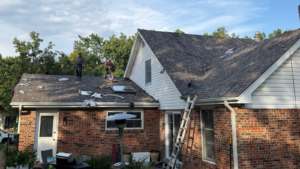
At RC Roofing, we’ve built our inspection process around NRCA’s guidelines to ensure accuracy and reliability. Here’s what you can expect when you schedule a roof inspection with us. First, we begin with an initial consultation where we discuss your concerns, past roof issues, and recent weather events that might have caused damage. Next, we perform an exterior walk-around to evaluate visible signs of roof wear, gutter issues, or siding damage. We then safely climb onto your roof to check shingle condition, flashing, seals, and signs of impact damage, all following preventative roof maintenance. An interior inspection of your attic comes next to look for leaks, insulation problems, or structural weaknesses. Once complete, you receive a detailed written report with photos, problem areas, and recommended solutions based on NRCA guidelines. If issues are found, we provide a customized plan for timely repairs or preventive maintenance.
How Often Should You Schedule an NRCA Standard Roof Inspection?
Homeowners in Washington, MO, and surrounding areas should follow NRCA recommendations. A roof inspection should be scheduled twice a year, ideally in spring and fall, to prepare for extreme weather. Inspections are also advised after severe storms involving hail, wind, or heavy snow. Finally, a professional inspection following NRCA roof detailing is essential before selling or buying a home to avoid surprises during closing and ensure proper valuation.
Benefits of Following National Roofing Contractors Association
Sticking to NRCA guidelines ensures you get a reliable, professional evaluation of your roof. The benefits include accuracy in identifying all problem areas, early detection of minor issues before they escalate, increased lifespan of your roof through preventive maintenance, and peace of mind knowing your home is protected. For homeowners in Wildwood, Chesterfield, and Town & Country, where storms and high winds can cause sudden damage, following NRCA roof inspection standards can save thousands in repair costs over time.
Why Choose RC Roofing for NRCA-Standard Inspections
RC Roofing is proud to serve Washington, Wildwood, Frontenac, Town & Country, Chesterfield, Eureka, Augusta, Union, and Pacific with reliable, professional roof inspections. Our inspectors are trained experts in NRCA guidelines, bringing years of experience to every inspection. We understand the unique roofing challenges Missouri homes face, from hail damage to high humidity issues. We provide detailed reports you can use for insurance claims or property records and offer fair recommendations focused on safety and cost-effectiveness.
Common Roof Issues We Find During NRCA-Standard Inspections
Homeowners are often surprised at the problems a thorough inspection can uncover. Some of the most common issues include loose or missing shingles caused by windstorms, clogged gutters leading to water damage along fascia and soffits, damaged flashing allowing water intrusion, poor ventilation causing excess heat and moisture buildup in the attic, and small leaks that can spread quickly. Addressing these problems early is the goal of every inspection we perform under NRCA roofing manual.
Final Thoughts: Protecting Your Home with National Roofing Contractors Association
Your roof is too important to neglect. By scheduling regular inspections that follow NRCA roof inspection standards, you ensure that your home in Washington, Wildwood, Frontenac, Town & Country, Chesterfield, Eureka, Augusta, Union, or Pacific stays safe, dry, and structurally sound. RC Roofing is committed to delivering top-quality inspections, guided by NRCA best practices, giving you confidence that your roof is ready to handle whatever Missouri’s weather throws its way.
Schedule Your NRCA-Standard Roof Inspection Today
If it’s been over a year since your last roof inspection—or if you’ve recently experienced a storm—it’s time to book an appointment with RC Roofing contact us today. Our team provides thorough, reliable inspections that meet NRCA technical bulletins, ensuring your home is fully protected.
RC Roofing is proudly serving Washington, Wildwood, Frontenac, Town & Country, Chesterfield, Eureka, Augusta, Union, and Pacific.
Frequently Asked Questions About NRCA Roof Inspection Standards
Q:1. What is the NRCA, and why is it important?
The National Roofing Contractors Association (NRCA) is a leading authority in the roofing industry. It sets best-practice guidelines, safety standards, and inspection methods that help ensure roofs are installed, inspected, and maintained correctly for long-term performance and safety.
Q:2. How often should I inspect my roof in Missouri?
In Missouri, roofs should be inspected at least twice a year—once in spring and once in fall. Extra inspections are recommended after severe storms, hail, or high winds to catch damage early and prevent costly repairs later.
Q:3. What are the five main areas of an NRCA inspection?
An NRCA inspection focuses on roof membranes or shingles, flashing, drainage systems, penetrations (vents, chimneys), and structural components. These areas are most vulnerable to leaks and wear, making them critical for maintaining roof integrity.
Q:4. Why is early detection of roof damage important?
Early detection prevents small issues from turning into major problems. Catching damage early helps avoid leaks, structural decay, mold growth, and expensive repairs, while also extending the overall lifespan of your roof.
Q:5. What are common problems found during inspections?
Common issues include cracked or missing shingles, damaged flashing, clogged drains, loose fasteners, ponding water, and sealant failure. These problems often develop slowly and may go unnoticed without a professional inspection.
Q:6. What is the benefit of using an NRCA-standard contractor like RC Roofing?
Using an NRCA-standard contractor like RC Roofing ensures inspections and repairs follow proven industry guidelines. This means higher workmanship quality, better safety practices, accurate assessments, and roofing solutions built to last.