Choosing the right roofing partner for your business is a big decision. Your roof protects your building, staff, equipment, and daily operations. A small mistake can lead to leaks, downtime, and expensive repairs. That’s why working with a trusted commercial roofing contractor for routine roof inspections is not just an option it’s a necessity.
In this guide, you’ll learn what makes a roofing company top-rated, what services to expect, and how to choose the best team for your commercial property.
What Makes a Top-Rated Commercial Roofing Contractor?
Not all roofing companies are the same. A top-rated provider stands out because of experience, reliability, and consistent results.
Here’s what to look for:
1. Proven Industry Experience
Commercial roofing systems are different from residential roofs. They require special materials, equipment, and safety standards.
An experienced contractor understands:
- Flat roofing systems
- Low-slope roofing
- Industrial roofing solutions
- Large-scale roof replacement projects
- Complex roof leak repair issues
Years of hands-on work matter. It shows the Rc Roofing company can handle different building types such as warehouses, office complexes, retail centers, and manufacturing facilities.
2. Full-Service Industrial Roofing Solutions
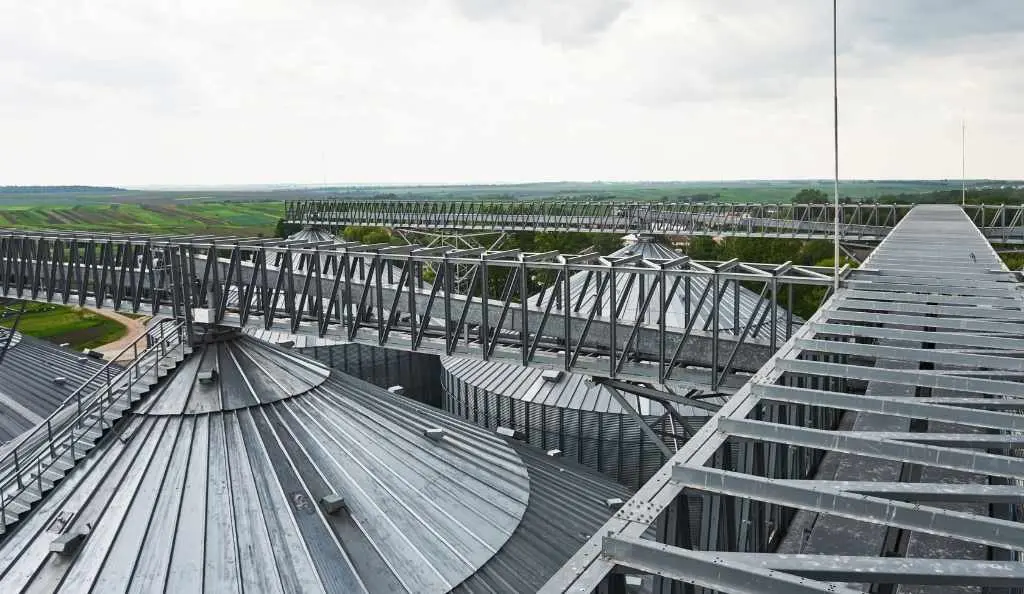
A reliable company offers complete commercial roofing services, including roof inspection and assessment, preventative roof maintenance, emergency roof repair, commercial roof installation, commercial roof replacement, roof coating systems, and waterproofing solutions. By providing a full range of services, the contractor can address every stage of your roof’s lifecycle, from routine upkeep to major upgrades. Working with one company for all your roofing needs saves time, simplifies communication, and ensures consistent quality across every project.
Services Offered by a Professional Commercial Roof Contractor
A professional commercial roofing contractor does more than install shingles. Commercial properties use specialized roofing systems designed for durability and energy efficiency.
Flat Roofing Systems
Many commercial buildings use flat or low-slope roofs, with popular options including TPO roofing systems, EPDM rubber roofing, PVC roofing membranes, modified bitumen roofing, and built-up roofing (BUR). Each system has its own advantages in terms of durability, energy efficiency, maintenance requirements, and cost. A skilled contractor will clearly explain the pros and cons of each option and recommend the best solution based on your building’s structure, climate conditions, and budget.
Commercial Roof Repair
Leaks and storm damage can happen at any time, and quick action is essential to prevent structural damage and mold growth. Common repair services include fixing membrane punctures, sealing flashing gaps, replacing damaged insulation, and repairing ponding water areas that can weaken the roofing system over time. A good contractor responds fast and provides a clear repair plan before starting work, ensuring transparency and long-lasting results.
Commercial Roof Replacement
Sometimes repairs are not enough. An aging roof can cost more in repeated fixes than a full replacement.
Signs you may need replacement:
- Frequent leaks
- High energy bills
- Visible membrane damage
- Water stains on ceilings
- Roof older than 20–30 years
- Commercial roof inspections
Why Preventative Maintenance Matters
Preventative roof maintenance is often overlooked. Yet it can extend the life of your roof by years.
Maintenance programs typically include:
- Scheduled inspections
- Drain cleaning
- Minor repairs
- Debris removal
- Sealant checks
Routine care reduces emergency costs and keeps your roofing system performing at its best.
Safety and Compliance in Commercial Roofing
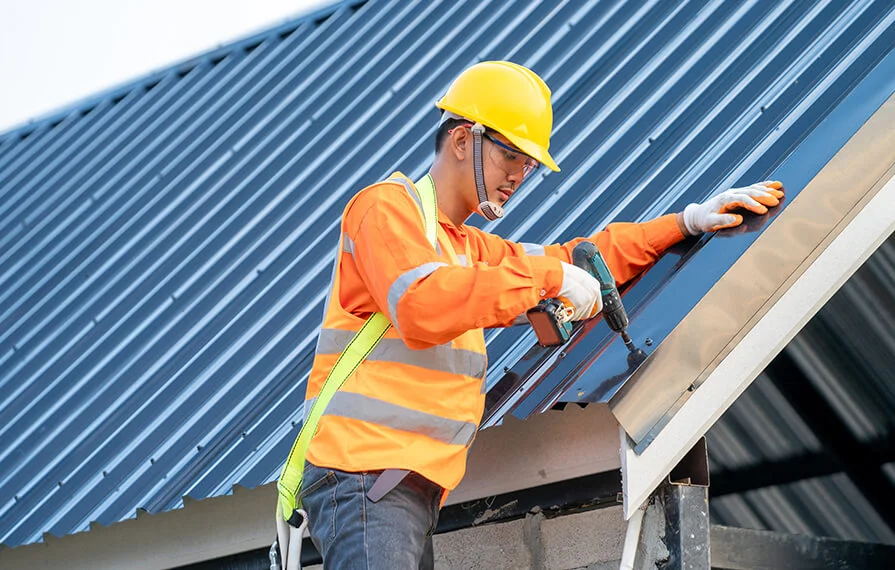
Commercial roofing projects involve heavy equipment and strict safety standards, making compliance essential at every stage of the job. A professional company follows OSHA safety guidelines, adheres to local building codes, meets manufacturer installation standards, and maintains proper insurance and licensing requirements. By strictly observing these regulations, the contractor not only ensures high-quality workmanship but also protects your business from liability risks and helps guarantee the project passes all necessary inspections.
Energy Efficiency and Modern Roofing Technology
Modern commercial roofing systems do more than simply protect your building they also play a major role in improving energy efficiency. Energy-efficient features include reflective roof coatings, cool roofing systems, proper insulation upgrades, and even green roofing solutions that enhance thermal performance.
These upgrades can significantly reduce cooling costs, improve indoor comfort, and lower overall energy consumption. In many cases, businesses may also qualify for tax incentives or rebates when installing energy-efficient roofing systems. A knowledgeable commercial roofing contractor will help you explore these options and determine the best solution for your property and long-term savings goals.
How to Choose the Right Roofing Company
With many companies available, choosing the right one may feel overwhelming. Use this checklist to make a smart decision.
Check Credentials
Make sure the company is licensed and insured, has manufacturer certifications, provides written estimates, and offers workmanship warranties. These qualifications demonstrate professionalism, accountability, and a commitment to quality. Proper licensing and insurance protect you from liability, certifications confirm the contractor meets manufacturer standards, written estimates ensure transparency in pricing, and workmanship warranties give you peace of mind that the job is backed by reliable support.
Read Reviews and Testimonials
Online reviews reveal real customer experiences and can give you valuable insight before hiring a contractor. Look for consistent positive feedback about communication, project timelines, work quality, and cleanup practices. When multiple customers highlight the same strengths, it’s a strong indicator that the company is reliable, professional, and committed to delivering a smooth, well-managed roofing project from start to finish.
Ask About Project Management
Commercial projects require careful planning, so it’s important to ask who will supervise the job, what the timeline looks like, whether business operations will be affected, and how unexpected issues will be handled. Getting clear answers to these questions helps set realistic expectations and ensures everyone is aligned before work begins. Clear communication prevents delays and confusion, keeping your project on schedule and minimizing disruptions to your daily operations.
Benefits of Hiring a Specialized Commercial Roof Contractor
Hiring a specialist rather than a general contractor makes a big difference. A dedicated commercial roofing contractor provides in-depth system knowledge, access to high-quality materials, skilled installation crews, warranty protection, and long-term maintenance plans designed to extend the life of your roof. This level of expertise reduces costly mistakes, ensures proper installation, and significantly improves overall roof performance and durability over time.
Industries That Require Commercial Roofing Services
Top-rated companies serve a wide range of industries, including:
- Retail centers
- Hospitals
- Schools and universities
- Industrial warehouses
- Apartment complexes
- Office buildings
Signs You Should Call a Roofing Expert Today
Don’t wait for major damage. Contact a roofing professional if you notice dripping water during rain, a bubbling roof membrane, sagging areas, loose flashing, or an unusual increase in energy bills. These warning signs often indicate underlying issues that can worsen quickly if ignored. Early action saves money, prevents more extensive structural problems, and protects your property from long-term damage.
Final Thoughts: Protect Your Investment with the Right Roofing Partner
Your commercial roof is a long-term investment. Choosing the right company ensures durability, safety, and peace of mind. A trusted commercial roofing free schedule to free Rc roofing contractor, offers expert installation, reliable repairs, and preventative maintenance programs designed to extend your roof’s lifespan.
From flat roofing systems to complete roof replacement, working with a skilled team protects your building and business operations. Before making a decision, research your options, review credentials, and request detailed estimates. The right choice today can prevent costly problems tomorrow.
FAQs
1. How long does a commercial roof last?
Most commercial roofs last between 20 to 30 years. Lifespan depends on the material, climate, and maintenance routine. How often should a commercial roof be inspected?
2. How often should a commercial roof be inspected?
It’s recommended to schedule inspections twice a year, typically in spring and fall, plus after major storms.
3. What is the best roofing system for flat commercial roofs?
TPO, EPDM, and PVC are popular choices. The best option depends on your building’s structure, climate, and budget.
4. How much does commercial roof replacement cost?
Costs vary based on roof size, material, and labor. A professional inspection is required for an accurate estimate.
5. How long does a commercial roof typically last?
Most commercial roofing systems last between 20 to 30 years. TPO and PVC roofs often last 20–25 years, while EPDM and built-up roofing systems can last longer with proper maintenance.