Drips and slips, cracks and gaps, a brand-new roof can still meet trouble where an old chimney overlaps. If your Villa Ridge home gets fresh shingles but the chimney, mortar, flashing, or surrounding masonry has already weathered decades of Missouri rain and temperature swings, could that older section become the weak link in your new roof? Absolutely. That is why chimney flashing Villa Ridge MO homeowners depend on deserves attention before the final shingles go down. A roof can be completely new while the connection around an aging chimney remains vulnerable, and when that transition is not rebuilt correctly, homeowners may find themselves chasing a leak on a roof they thought was finished.
The smartest time to examine that connection is while the old roof is coming off, not months later when a brown stain appears on the ceiling.
Why Chimneys Are One of the Trickiest Parts of a Roof
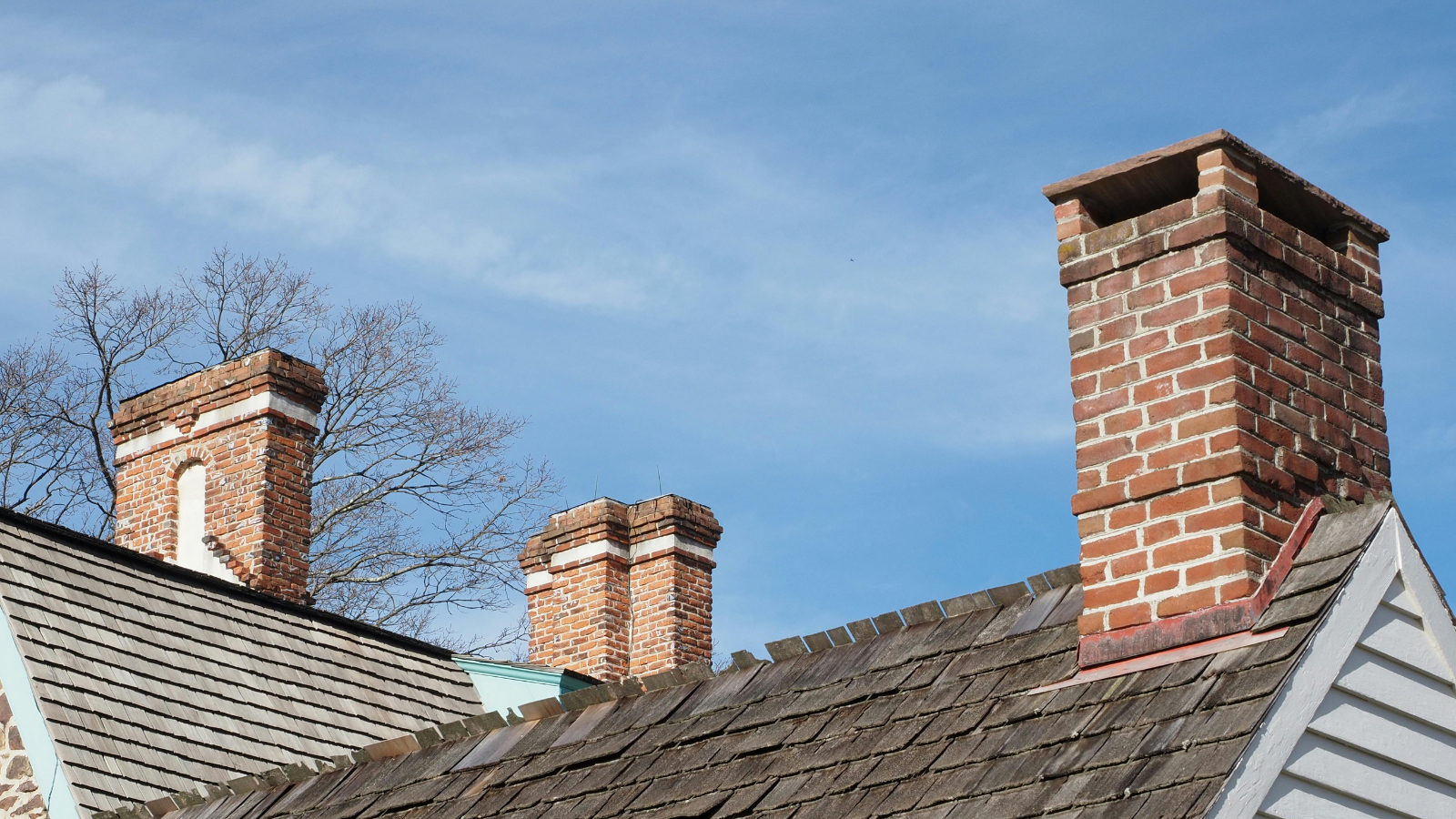
A chimney is essentially a large structure passing straight through your roofing system.
Rainwater moving down the roof encounters a brick or masonry wall and must be redirected around it without entering the gap between the roof and chimney.
That is the job of flashing.
According to U.S. Department of Energy Building Science guidance on waterproofing chimneys, chimneys are among the largest penetrations in a residential roof assembly. The guidance explains that controlling water at the roof-to-chimney connection generally involves base flashing, step flashing, and counterflashing working together.
That is why chimney flashing Villa Ridge MO replacement should never be treated like a minor cosmetic detail.
The connection has to handle water moving down the shingles, water striking the vertical chimney surface, and wind-driven rain trying to enter from several directions at once.
What Does Chimney Flashing Actually Do?
Most homeowners rarely notice flashing unless something goes wrong.
Flashing is usually made from corrosion-resistant metal and installed where roofing materials meet structures that interrupt the roof surface.
Around a masonry chimney, there may be multiple flashing components.
Base flashing helps protect the lower portion where water approaches the chimney.
Step flashing consists of individual pieces installed in layers with the shingles along the chimney sides.
Counterflashing covers the upper portions of the base or step flashing and is integrated into the masonry so water running down the chimney cannot simply move behind the metal.
Proper chimney flashing Villa Ridge MO installation essentially creates a carefully layered path that tells rainwater, “You go outside, not into this house.”
When those layers are missing, deteriorated, incorrectly overlapped, or patched repeatedly with sealant, leaks become far more likely.
Why a New Roof Does Not Automatically Fix an Old Chimney Leak
This is where homeowners can get caught off guard.
Imagine replacing every shingle on your home but leaving old flashing around the chimney because it “still looks okay.”
The finished roof looks new.
The color is perfect.
The shingles are properly aligned.
Then heavy rain arrives.
Water begins entering around the chimney because the weak point was never the shingles in the first place.
It was the transition.
A quality chimney flashing Villa Ridge MO evaluation should happen when the old roofing is removed because that is when the contractor has much better access to the materials surrounding the chimney.
If old flashing is deteriorated, poorly integrated, or showing signs of previous repairs, that is the time to address it.
Covering questionable flashing with expensive new roofing materials only makes future repairs more disruptive.
Old Counterflashing Can Be the Hidden Weak Link
Counterflashing deserves special attention because it interacts directly with the chimney masonry.
The Department of Energy’s chimney waterproofing guidance describes counterflashing as being embedded into brick mortar joints and overlapping the flashing below to complete the water-control transition.
That arrangement matters.
If the mortar joints have deteriorated, the counterflashing has pulled away, or previous repairs relied heavily on surface caulk, water may eventually find a path behind the system.
That means chimney flashing Villa Ridge MO should be evaluated along with the condition of the masonry receiving it.
A new flashing detail attached to deteriorating mortar may not solve the underlying problem.
Cracked Mortar Can Make a Roof Leak Look Like a Flashing Leak
Not every leak around a chimney originates in the flashing.
Brick and mortar are durable, but they are constantly exposed to weather. Cracks in mortar joints can allow moisture into the masonry system. Water can then travel downward and appear near the same ceiling or attic area where a flashing leak would normally show itself.
From inside the home, those two problems can look almost identical.
That is one reason homeowners should be cautious about accepting quick diagnoses.
If water appears near the chimney, the inspection should consider:
the flashing,
counterflashing,
mortar joints,
chimney crown,
nearby shingles,
roof decking,
and surrounding underlayment.
Good chimney flashing Villa Ridge MO work begins by identifying where the moisture actually enters rather than automatically applying more caulk to the most obvious seam.
The Chimney Crown Can Also Send Water in the Wrong Direction
Look at the top of a masonry chimney and you will usually find a crown or similar top surface around the flue.
That surface helps shed water away from the chimney structure.
If it develops cracks or deterioration, water may begin entering from above.
The homeowner sees staining around the fireplace or chimney and assumes the brand-new roof is leaking.
But the roof may not be the source at all.
Water can travel through masonry, along framing, or across other materials before becoming visible.
This is why RC Roofing recommends treating chimney leak diagnosis as a system investigation rather than focusing on a single component.
Villa Ridge Weather Is a Real Test for Roof-to-Chimney Connections
Local weather makes these details especially relevant.
The National Weather Service report on the March 14, 2025 Villa Ridge/Fox Creek tornado documented an EF-2 tornado that developed on the east side of Villa Ridge, reached estimated peak winds of 130 mph, and significantly damaged numerous homes.
No residential roof material or flashing detail should be described as invincible during extreme weather.
But events like that illustrate why roof penetrations, flashing, shingles, and masonry connections deserve careful attention in this area.
Wind-driven rain behaves differently than gentle rainfall.
It can push water sideways against masonry and underneath vulnerable transitions.
For homeowners investing in chimney flashing Villa Ridge MO, that local storm exposure makes correct installation far more important than simply making the metal look neat from the ground.
Repeated Temperature Changes Matter Too
Missouri roofs experience heat, cold, rain, frost, and repeated seasonal temperature changes.
Those changes affect different materials in different ways.
Metal flashing expands and contracts.
Roofing materials move.
Sealants age.
Mortar develops wear.
Shingles gradually become less flexible.
A detail that worked adequately years ago may eventually become vulnerable as the surrounding materials age.
That is why using an older chimney flashing system simply because it did not leak last year is not always the best approach during a complete roof replacement.
The roof is already open.
It is one of the best opportunities you will have to evaluate the transition properly.
Step Flashing Should Work With the Shingles, Not Against Them
Step flashing is exactly what the name suggests.
Individual pieces are layered in steps along the side of the chimney, integrated with successive courses of shingles.
The goal is to make gravity work for the roof.
Water that reaches one flashing piece should flow onto the roofing surface below it rather than behind the next layer.
The Department of Energy’s guidance for structural roof penetrations identifies roof-to-wall and chimney-style penetrations as particularly vulnerable areas for water intrusion and describes using layered flashing and water-control membranes to protect them.
That “layered” idea is critical to chimney flashing Villa Ridge MO installation.
Roofing should shed water by design, not depend entirely on a bead of sealant staying perfect forever.
Why Caulk Alone Is Not a Chimney Flashing System
Sealants have legitimate uses in roofing.
They are not a replacement for properly designed flashing.
Homeowners sometimes see old chimney areas covered with thick beads of roofing cement or caulk. In many cases, that is evidence that someone has tried to stop a recurring problem from the surface.
It might work temporarily.
But if the underlying flashing is installed incorrectly, water may eventually find another way around the patch.
A better approach is to understand the existing flashing configuration and rebuild the transition correctly when needed.
When evaluating chimney flashing Villa Ridge MO, RC Roofing recommends asking what the waterproofing strategy is underneath the visible sealant.
If nobody can explain the flashing system without pointing to a tube of caulk, that deserves a closer look.
What Happens When the Old Roof Comes Off?
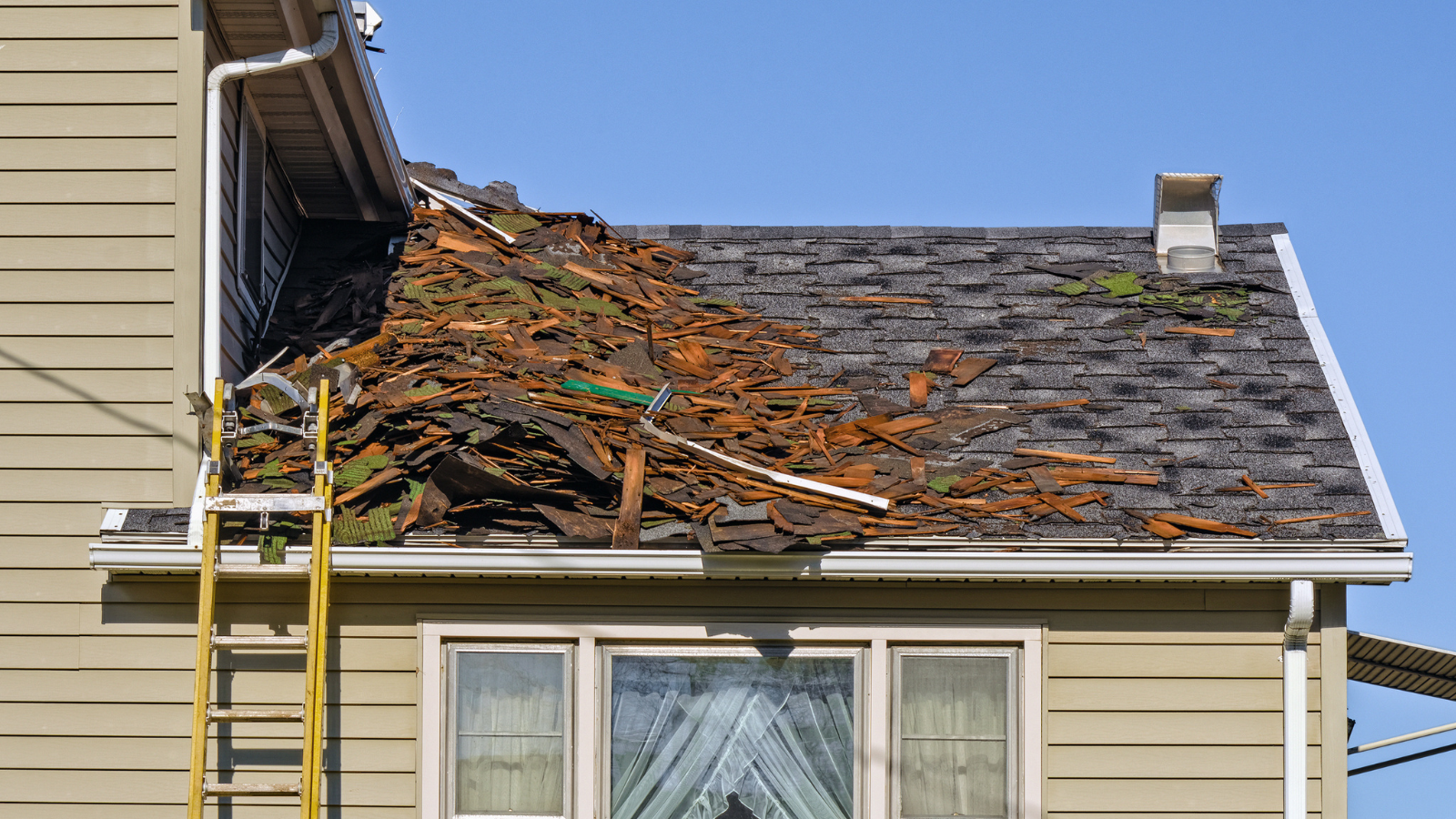
Roof replacement creates the perfect opportunity to investigate.
Once old shingles and underlayment surrounding the chimney are removed, the contractor can inspect areas that were previously hidden.
That may reveal:
- old step flashing
• rust or corrosion
• multiple generations of sealant
• moisture staining
• softened roof decking
• previous patches
• flashing pieces that are too small
• improperly layered materials
• damaged underlayment
• gaps near masonry
This is when chimney flashing Villa Ridge MO planning becomes especially important.
If water has been entering around the chimney for years, the visible shingles may not be the only materials affected.
Roof Deck Damage Can Be Hiding Under the Old Flashing
Repeated moisture exposure can affect the wood decking surrounding a chimney.
That damage might not be visible before tear-off.
A homeowner might assume the area is healthy because the roof surface looks flat and there is no active ceiling drip.
Then the old roof comes off and contractors find dark staining, soft plywood, deterioration, or an older repair.
Replacing shingles over compromised decking does not restore a strong roofing foundation.
The affected areas should be evaluated and repaired appropriately before the new roofing system covers them.
This is another reason chimney work during roof replacement deserves time and attention.
What FEMA Says About Flashing and Roof Penetrations
The FEMA Wind Retrofit Guide for Residential Buildings describes flashing as a key part of weatherproofing roof edges, penetrations, walls, valleys, drains, and other locations where the roof covering is interrupted.
A chimney is one of those major interruptions.
That guidance supports an important homeowner takeaway:
A roof should be evaluated as an assembly.
The shingles do one job.
The underlayment does another.
The decking supports them.
The flashing handles vulnerable transitions.
The chimney masonry has to manage water too.
A quality chimney flashing Villa Ridge MO project connects those pieces rather than treating each one independently.
Does Every Roof Replacement Require New Chimney Flashing?
Not necessarily in exactly the same way.
The correct approach depends on the existing chimney, flashing design, roof material, masonry condition, project scope, and what is discovered during tear-off.
Some flashing components may be suitable for integration with the replacement roof if they are in excellent condition and the system allows it.
Other situations clearly call for replacement or reconstruction.
What homeowners should avoid is automatic reuse without inspection.
If you are investing in a complete new roof, ask exactly what will happen around the chimney.
Do not assume it is included.
Do not assume it is being replaced.
Ask.
Questions to Ask Before Your New Roof Goes On
You do not need to become an expert in flashing terminology.
A handful of practical questions will tell you a lot:
Is the existing chimney flashing being removed or reused?
What condition is the counterflashing in?
Will the mortar joints be evaluated?
How will the step flashing integrate with the new shingles?
Will the deck around the chimney be inspected?
What happens if water damage is found?
Is additional water-resistant membrane being used around the penetration?
Who handles masonry problems if they are discovered?
These questions make a chimney flashing Villa Ridge MO project much easier to understand before the chimney disappears into the finished roofline again.
Chimney Leak Clues Homeowners Should Never Ignore
A chimney problem does not always produce a dramatic stream of water.
Sometimes the warning signs are subtle.
Watch for brown or yellow ceiling stains near the fireplace, damp drywall, peeling paint, musty smells, visible attic staining, deteriorated mortar, white mineral deposits on masonry, water inside the fireplace, or repeated staining that appears only after certain storms.
The timing can also offer clues.
A leak that appears mainly during wind-driven rain may behave differently from one that shows up after every gentle rainfall.
A stain that continues growing even when the roof surface has recently been repaired suggests the source deserves a broader investigation.
New Roof Plus Old Chimney: What Should Be Inspected?
| Area | What Contractors Should Evaluate | Why It Matters |
| Step flashing | Size, overlap, condition and integration with shingles | Moves water safely down the sides of the chimney |
| Counterflashing | Attachment to masonry and overlap | Helps keep water from getting behind step flashing |
| Mortar joints | Cracking, deterioration and failed areas | Can allow water into the chimney assembly |
| Chimney crown | Cracks and weathering | Water can enter from above |
| Roof decking | Staining, softness and deterioration | May reveal years of hidden leakage |
| Underlayment | Condition and transition around chimney | Provides another layer of water control |
| Shingles | Correct cutting and layering | Must integrate with flashing rather than cover it |
| Sealants | Age and application | Should support flashing, not replace proper detailing |
This is what separates a cosmetic roof replacement from a more complete water-management strategy.
What If the Chimney Is Much Older Than the Roof?
That is common.
Many masonry chimneys can outlast multiple roofing systems.
A home may receive two or three roof replacements while essentially the same chimney remains in place.
That makes it even more important to inspect the masonry during each major roofing project.
The chimney may still be structurally sound, but its mortar, flashing, crown, or previous repair work may have aged considerably.
If the roof is getting a fresh start, the transition should not automatically inherit every detail from decades ago.
Should You Repair the Chimney Before Replacing the Roof?
Sometimes, yes.
If the chimney has significant masonry deterioration, crown problems, loose bricks, or other issues that will affect the flashing installation, completing necessary masonry work before or during roof replacement may make the most sense.
The exact order depends on the project.
The important thing is coordination.
You do not want a roofer installing a beautiful new chimney flashing Villa Ridge MO only to have major masonry work disturb it shortly afterward.
Likewise, you do not want chimney repairs completed without considering how the upcoming roof will integrate with them.
Ask the roofing contractor and masonry professional, when needed, to coordinate the transition.
What If the Chimney Is No Longer Used?
An unused chimney can still leak.
Whether it remains functional or not, it still penetrates the roof and remains exposed to weather.
If a chimney is abandoned, homeowners may have additional options depending on the home, structure, and long-term plans.
But until it is properly altered or removed, it still needs effective water management.
“Unused” does not mean “maintenance-free.”
RC Roofing’s Recommendation for Villa Ridge Homeowners
If you are replacing your roof and the home has an older chimney, do not wait until installation day to ask how the chimney will be handled.
Have the area evaluated before or during tear-off.
Look beyond the shingles.
Ask about the flashing.
Ask about the counterflashing.
Ask about the mortar.
Ask what happens if deteriorated roof decking appears underneath.
Given Villa Ridge’s documented exposure to severe wind and storms, RC Roofing recommends treating roof penetrations as high-priority inspection points rather than assuming that an old flashing system will automatically perform well with a new roof.
A careful chimney flashing Villa Ridge MO plan may seem like a small part of a large roof replacement, but it can be one of the details that determines whether that new roof remains dry where it matters most.
Final Thoughts: A New Roof Is Only as Strong as Its Weakest Transition
A fresh roof can change the entire look of your Villa Ridge home.
Straight shingle lines, new ridge caps, clean edges, and a new color can make the house feel completely renewed.
But water does not care how new the shingles are.
It looks for openings.
And one of the most complicated openings on many homes is where an older chimney passes through a newer roofing system.
That is why chimney flashing Villa Ridge MO should never be treated as a finishing touch.
It is part of the roof’s water-control system.
Inspect the flashing. Check the masonry. Look at the decking while it is exposed. Correct questionable transitions before the roofing materials hide them again.
Because the worst time to discover an old chimney was the weak point in your new roof is during the first hard Missouri rain.
New shingles can give your roof a fresh start. Proper chimney flashing helps make sure an old penetration does not bring the same old leak along with it.