Maintaining the integrity of a home requires a vigilant approach to exterior maintenance, particularly regarding the system that sits above your head. A high-quality roof is more than just a collection of shingles; it is a sophisticated barrier designed to withstand thermal expansion, heavy precipitation, and high winds.
When homeowners begin searching for a residential roofing contractor, they are often looking for more than just labor they are seeking a long-term partner to ensure their property remains dry and structurally sound through every season.
Residential Roofing Contractor: From Inspection and Repair to Full Re-Roofing Services
The complexity of modern roofing systems means that even minor issues can quickly escalate into significant financial burdens. Understanding the nuances of different services, from routine maintenance to emergency interventions, allows property owners to make informed decisions. A professional approach to roofing prioritizes prevention and precision, ensuring that every layer of the system from the wooden decking to the final ridge cap functions as intended to provide lasting peace of mind.
The Foundation of Maintenance: Roof Inspection and Annual Roof Tune-up
Every sustainable roofing strategy begins with a thorough roof inspection. This process involves a comprehensive evaluation of the roof’s surface, its structural components, and its drainage efficiency. During a professional assessment, experts look for signs of granular loss, shingle curling, and deteriorating sealants around penetrations.
By identifying these issues before they manifest as interior water damage, homeowners can significantly extend the lifespan of their current materials. Beyond the standard check-up, an annual roof tune-up serves as a proactive measure to keep the system in peak condition. This service typically involves minor adjustments that prevent major failures.
For instance, a technician may secure loose shingles, reseal exposed nail heads, and perform gutter cleaning to ensure that water is directed away from the foundation rather than backing up under the eaves. These small but critical tasks are essential for maintaining the overall health of the structure.
Expert Interventions for Common Issues: Shingle Repair and Flashing Repair
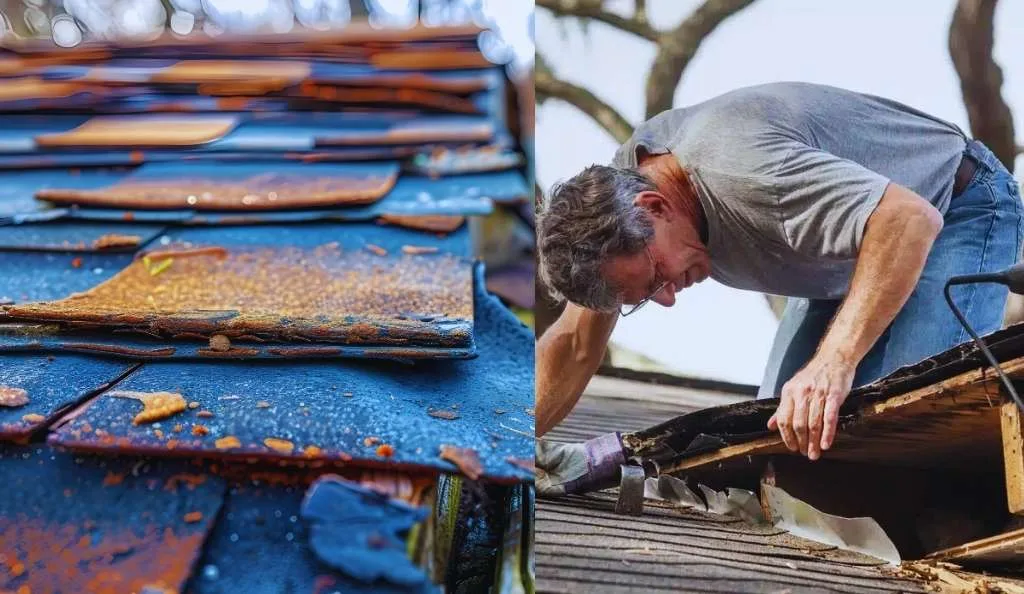
Even the most well-maintained roofs will eventually face wear and tear. One of the most common requirements for a residential roofing contractor is addressing localized damage. Shingle repair is often necessary following localized wind events or when individual pieces have reached the end of their adhesive lifespan.
Replacing these units promptly ensures that the underlying underlayment remains protected from UV rays and moisture. Equally important is the integrity of the roof’s transitions. Flashing repair is a critical service that focuses on the metal barriers installed around chimneys, skylights, and valleys.
Flashing is designed to redirect water away from these vulnerable joints, but over time, the metal can corrode or the sealant can pull away from the masonry. Addressing these gaps is the only way to ensure a watertight seal in the areas where leaks are most likely to originate.
Advanced Problem Solving: Roof Leak Detection and Leaky Roof Fix
Finding the source of water intrusion is often more difficult than the repair itself. Water rarely travels in a straight line; it can enter through a gap in the ridge and travel along a rafter before finally dripping onto a ceiling ten feet away. Professional roof leak detection utilizes thermal imaging and moisture meters to track the exact path of the water.
This scientific approach eliminates guesswork and ensures that the repair addresses the root cause rather than just the visible symptoms. Once the source is identified, a definitive Leaky roof fix is implemented to restore the barrier. This might involve replacing damaged plywood or installing new waterproof membranes in a specific area.
A residential roofing contractor focuses on these high-stakes repairs to prevent the growth of mold and the degradation of attic insulation. When a leak is caught and stopped quickly, the structural components of the home remain intact, saving the homeowner from the much higher costs associated with wood rot and structural failure.
Knowing When to Pivot: Re-roofing Services and Roof Installation
There eventually comes a time when repairs are no longer a viable or cost-effective option. If a roof has suffered extensive storm damage or has simply reached the end of its manufacturer-rated lifespan, professional re-roofing services become necessary. This stage of the roofing lifecycle requires a strategic evaluation of the home’s needs, including a discussion on whether to overlay new materials or perform a complete overhaul of the existing system.
n many cases, the most reliable path forward is a full tear-off and replace project. This process involves removing every layer of old material down to the wooden deck. This allows the residential roofing contractor to inspect the skeleton of the roof for any hidden damage.
Following the inspection, a new roof installation begins, utilizing modern high-performance underlayment’s, ice and water shields, and premium shingles. This “reset” ensures that the home is protected by the latest technology and is backed by comprehensive material and workmanship warranties.
Finalizing the Project: Roof Certification and Long-Term Security
As a roofing project nears completion, documentation becomes a vital asset for the homeowner. A roof certification is a formal document issued by a professional stating that the roof has been inspected and is expected to remain weather-tight for a specific period, usually two to five years.
This is particularly valuable during real estate transactions, as it provides buyers and lenders with confidence in the property’s condition. Finding the right residential roofing contractor is the final piece of the puzzle. This professional serves as the steward of your home’s safety, ensuring that every nail is driven correctly and every valley is properly lined.
By combining high-quality materials with expert craftsmanship, you create a protective envelope that enhances the value of your property while providing a secure environment for your family. Navigating the world of residential roofing involves understanding the balance between minor maintenance and major investments.
From the initial detection of a hidden leak to the complex logistics of a full roof replacement, every action taken contributes to the longevity of your home. By staying proactive with annual tune-ups and choosing a skilled residential roofing contractor, you can avoid the stress of emergency failures and ensure your roof remains a durable, reliable shield against the elements. Contact Our Experts for a Free Roofing Assessment.
FAQs
1. How do I know if I need a repair or a full replacement?
If damage is localized to one area, a repair is usually sufficient. However, if the roof is over 20 years old or has widespread leaks, a full replacement is often the more cost-effective long-term solution.
2. Why is professional roof leak detection necessary?
Water often travels far from the actual entry point before appearing on your ceiling. Professional detection uses specialized tools to find the exact source, ensuring the repair actually stops the water.
3. What is included in a typical annual roof tune-up?
A tune-up usually involves cleaning gutters, securing loose shingles, inspecting and resealing flashing, and checking for any minor wear that could lead to leaks if left unaddressed.
4. How long does a full roof installation usually take?
Most residential roof installations are completed in 1 to 3 days, depending on the home’s size and weather conditions. A professional crew ensures a clean worksite and minimal disruption.
5. What is the benefit of a roof certification?
A certification provides a written guarantee of a roof’s condition for a set period. It is an essential document for selling a home or securing insurance, as it proves the roof is in good health.