Peaks and pitches, dips and drips, grand rooflines and hidden slips. When your home has a larger footprint and a more complex roof, can one quick look from the driveway really tell you whether everything is fine? For many homeowners, the honest answer is no. A large home may look beautiful from the ground, but it can also hide more valleys, more flashing points, more roof penetrations, more drainage paths, and more areas where small problems can quietly grow. That is exactly why a professional roof inspection Washington MO homeowners can trust is so important, especially for bigger homes in Washington, Wildwood, Frontenac, Town & Country, Chesterfield, Eureka, Augusta, Union, and Pacific.
At RC Roofing, we work with homeowners across these communities and often see the same pattern. The larger and more architecturally detailed the home, the easier it is for subtle roofing issues to go unnoticed. One loose flashing edge, one soft spot near a valley, or one section of storm damage on a back slope can sit out of view for months. By the time a leak shows up inside, the real problem may have been developing for much longer than expected.
Why Bigger Homes Usually Mean More Roofing Complexity
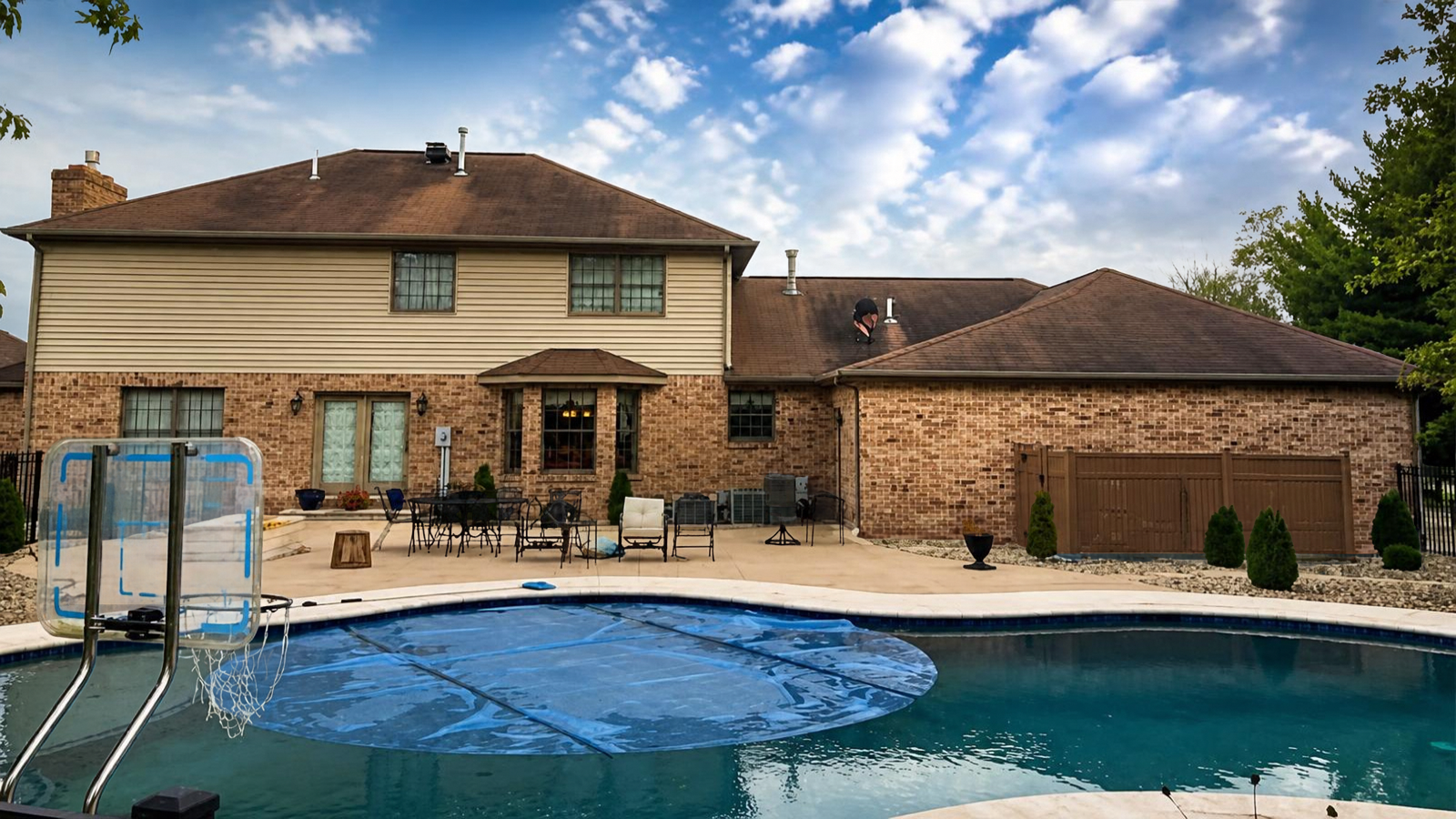
A larger roof is not just more square footage. It is usually more detail, more transitions, and more potential vulnerability.
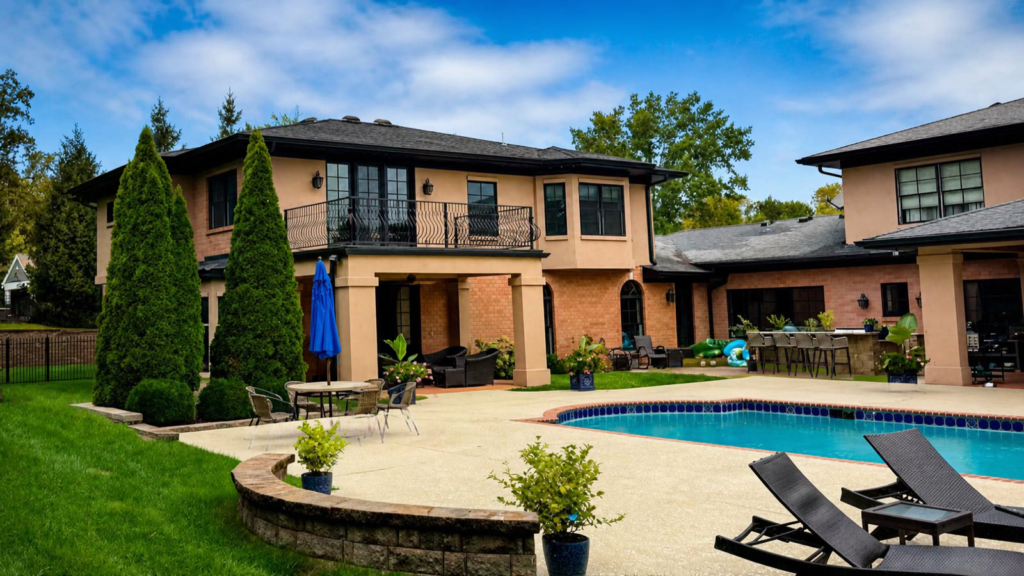
Bigger homes often have multiple roof sections tied together. Instead of one simple gable or hip roof, you may have dormers, ridges, valleys, chimneys, skylights, wall transitions, steep slopes, covered porches, and attached garages. Each one adds beauty and function to the home, but each one also creates additional places where water has to be directed correctly.
That is one reason a roof inspection Washington MO should never be treated like a quick visual check on a large home. Complex roofs need a more careful evaluation because the number of possible trouble spots rises with the complexity of the design. A big roof may still be in great shape, but it also has more places where wear can begin quietly.
For homeowners in neighborhoods with custom homes or upscale layouts, such as parts of Wildwood, Frontenac, Town & Country, and Chesterfield, this matters even more. Many of these homes have design features that are beautiful from the curb but require a trained eye during an inspection.
Missouri Weather Does Not Care How Beautiful the Roof Looks
A roof can be large, well-built, and still vulnerable to Missouri weather. According to the National Weather Service, severe thunderstorms are officially defined as storms capable of producing hail one inch or larger or wind gusts over 58 miles per hour, and hail that size can damage roofs, vehicles, and other property. Based on that guidance alone, it is easy to see why roofing systems in Missouri need regular attention, especially after major storms.
Wind can loosen shingles without removing them. Hail can bruise asphalt shingles and knock away protective granules. Repeated heat and cold cycles can stress flashing and sealants. Heavy rain can exploit even tiny gaps near chimneys, vents, and valleys. Snow and freeze-thaw cycles can make existing cracks worse.
A roof inspection Washington MO on a larger property is often the best way to separate “it looks okay from below” from “it is actually performing the way it should.” That kind of clarity becomes especially important when the roof covers a larger investment and protects more square footage beneath it.
What Homeowners Often Miss From the Ground
From the driveway or the lawn, most roofs look flatter and simpler than they really are. The human eye cannot easily spot subtle lifted shingles, minor flashing separation, worn sealant, hail bruising, or granule loss from 20 or 30 feet away.
Even when homeowners do notice something, they usually see only the most visible part of the problem. A dark stain on the ceiling may make you think the leak started directly above it. In reality, water may have entered several feet away and traveled along decking or framing before showing up indoors.
During a roof inspection Washington MO, contractors typically evaluate the roof much more closely than a homeowner can from ground level. They look at roof fields, ridges, valleys, step flashing, counter flashing, penetrations, pipe boots, chimney transitions, and drainage patterns. On a larger home, they also pay attention to whether the roof design is allowing water to move efficiently off the structure or whether certain areas are retaining debris and moisture.
That closer look often changes the entire story.
Bigger Roofs Tend to Have More Valleys, and Valleys Matter
One of the biggest weak spots on many larger homes is the roof valley. Valleys carry a heavy amount of water every time it rains. They also tend to collect leaves, twigs, and debris, especially on properties with mature trees.
When debris sits in a valley, it can trap moisture and slow drainage. Over time, that can wear down shingles or expose weak flashing details. On some larger homes, valleys run long distances or join into complicated drainage patterns. That makes them especially important during an inspection.
A professional roof inspection Washington MO can reveal whether your valleys are draining properly, whether there are signs of premature wear, and whether hidden storm damage may be starting where water naturally concentrates. That is not something most homeowners can confirm from the yard, especially when the valleys are high up or located on rear roof slopes.
Flashing Becomes More Important as Roof Complexity Increases
The more roof transitions you have, the more flashing you rely on.
Flashing protects areas where the roof changes direction or meets something else, such as a chimney, wall, dormer, skylight, or vent. On a large, custom-style home, there can be a surprising number of flashing points. Every one of them matters.
Many leaks begin here because flashing failures are often small at first. The metal may separate slightly, the sealant may dry out, or a storm may shift a component just enough to create a vulnerable gap. From the ground, the roof may still look perfect. Up close, there may already be an issue.
During a roof inspection Washington MO, flashing gets close attention for exactly this reason. On larger homes, flashing details often tell the difference between a roof that is aging normally and one that may be headed toward future leak problems.
Steep Slopes and Hard-to-See Areas Make Self-Checking Unreliable
Many large homes have steep roof pitches, second-story sections, or rooflines hidden by landscaping and trees. These features make the home look impressive, but they also make homeowner roof checks much less reliable.
You may be able to see the front slope from the yard, but what about the upper rear slope? What about the areas behind dormers? What about the roof-to-wall transitions on the side elevations? These areas often go unseen unless someone is intentionally inspecting them.
Many homeowners think a roof inspection Washington MO is mainly for roofs that are obviously leaking. In reality, it is often most valuable when the roof is not yet showing dramatic symptoms. A large roof may have a small issue on a hidden slope that never becomes visible from the street. That issue can still lead to expensive repairs if it goes unnoticed long enough.
Storm Damage Does Not Always Announce Itself
After a major storm, most homeowners look for obvious signs of trouble. Missing shingles, fallen branches, dented gutters, or water stains are easy to recognize. The challenge is that not all storm damage is obvious.
According to the National Weather Service, hail and high winds can damage roofs even when the overall roof still appears intact from the ground. That means your roof can come through a storm looking mostly normal while still carrying damage that shortens its lifespan or opens the door to leaks later.
One reason a roof inspection Washington MO matters so much on larger homes is simple: the more roof area you have, the more exposure you have. A big roof may have one section hit harder than another. Wind may affect one slope differently based on its direction and pitch. Damage may be isolated to one area you would never see during a casual walk-around.
That is why a post-storm inspection is often a smart recommendation for homeowners across Washington, Eureka, Pacific, Union, and nearby areas that regularly see changing weather.
Attic Clues Are Often Part of the Story
A roof inspection is not always just about what is happening on top of the roof. Sometimes the attic tells part of the story too.
Based on the U.S. Department of Energy’s Guide to Durable Attics, moisture and poor ventilation can warp and damage the roof, reduce insulation effectiveness, and create moisture problems in the living space below. That guidance matters because many roof problems do not start with a missing shingle. Sometimes they start with trapped heat, poor ventilation, hidden condensation, or moisture entry around penetrations.
During a roof inspection Washington MO, attic clues may include damp insulation, staining on the underside of decking, mold-like growth, poor airflow, or signs that bathroom or kitchen moisture is finding its way into the attic. On a larger home, attic systems can be more complex too, with multiple sections or separate spaces that need attention.
If the roof and attic are not working together correctly, the roofing system may age faster than it should.
A Larger Home Often Means More Gutters and More Drainage Responsibility
One detail homeowners often underestimate is the role gutters play in roof health. Large homes usually have longer gutter runs, more downspouts, and more drainage responsibility overall.
If gutters are clogged, misaligned, loose, or overwhelmed during storms, water may back up near the roof edge or overshoot where it should be draining. That can increase wear on fascia, soffits, siding, and nearby roofing materials.
If your roof inspection Washington MO follows a storm or comes after a season of heavy leaf buildup, your contractor will likely pay close attention to drainage. This is especially important in tree-heavy areas like Wildwood or parts of Augusta and Town & Country, where leaves and debris can build up quickly.
A good inspection looks at whether the roof is shedding water effectively, not just whether the shingles themselves look acceptable.
What Large-Home Roof Inspections Often Reveal
| Area Inspected | What May Be Found | Why It Matters |
| Valleys | Debris buildup, worn shingles, weak flashing | Valleys move heavy water and fail quietly |
| Flashing | Separation, rust, loose sections, failed sealant | Flashing issues are a common hidden leak source |
| Shingles | Lifted tabs, hail bruising, granule loss, cracking | Small damage can shorten roof life |
| Penetrations | Cracked pipe boots, poor seals, worn vent flashing | Minor gaps can lead to moisture intrusion |
| Gutters and drainage | Blockages, poor runoff, loose sections | Water management affects the whole roofing system |
| Attic areas | Moisture, poor ventilation, damp insulation | Roof and attic performance are closely connected |
| Hidden slopes | Isolated storm damage or wear | Rear or upper slopes are easy to miss from the ground |
This is exactly why a large roof deserves a more thoughtful inspection process. More size usually means more surfaces and more opportunities for subtle problems to develop.
What to Expect Before the Inspection Starts
A little preparation can make the inspection smoother and more useful.
A thorough roof inspection Washington MO also pays off more when the contractor has a bit of context. If you know the age of the roof, any prior repairs, or whether the home recently saw hail or high winds, share that. If you have noticed ceiling stains, musty attic smells, or areas where gutters overflow, mention those too.
It also helps to make sure the inspector can access the property easily. Clear locked gates if needed, move vehicles if they block visibility or ladder placement, and make attic access available if the contractor needs to inspect from inside.
For larger homes, inspections may take longer than homeowners expect. That is not a bad sign. It is often a sign the contractor is being thorough.
What Homeowners Should Ask During the Inspection
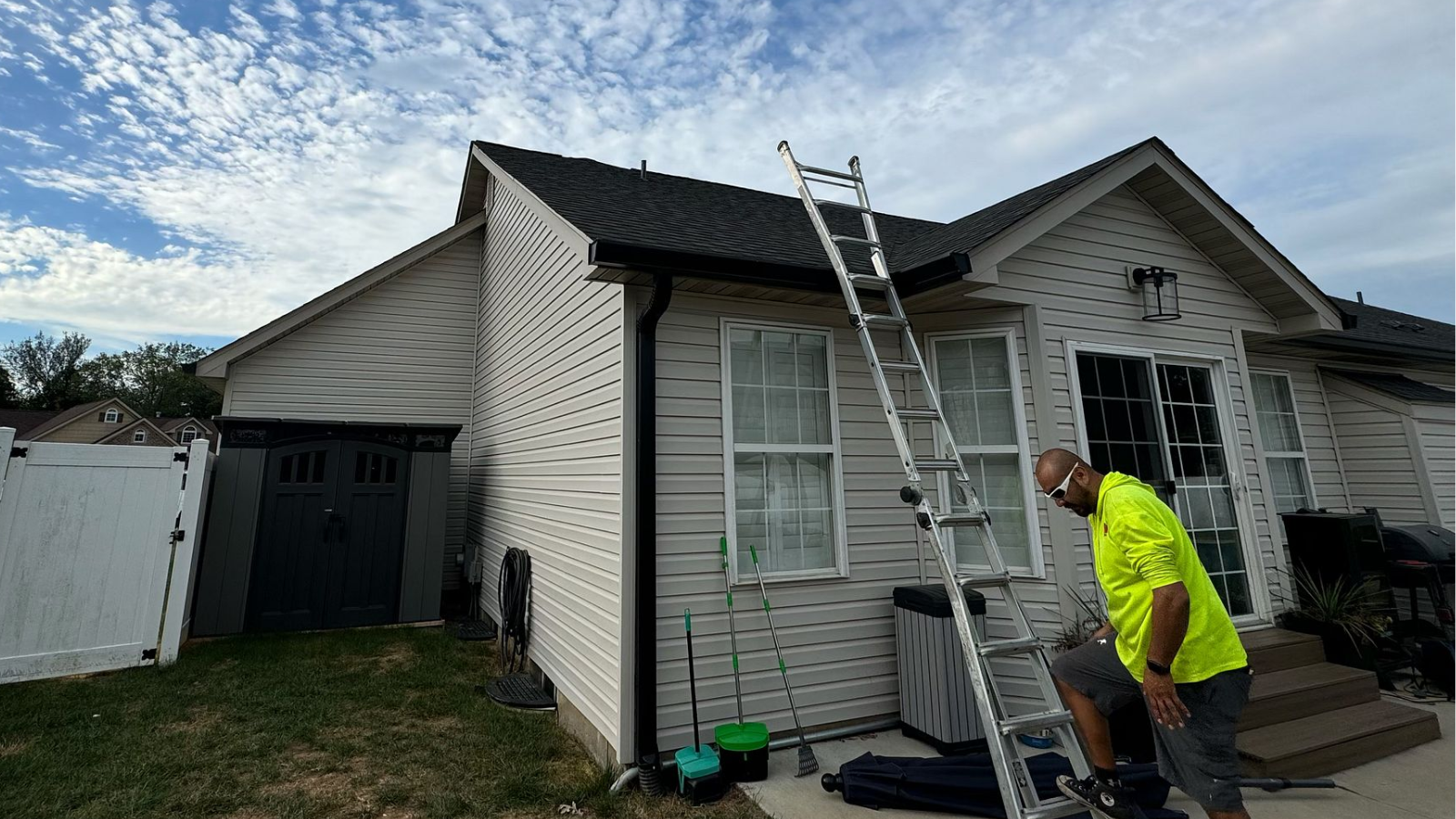
If you are investing in a larger home or already living in one, the inspection is the perfect time to ask smart questions.
Ask which areas of the roof look most vulnerable. Ask whether any damage appears storm-related or age-related. Ask whether the flashing details look strong. Ask whether the gutters are handling drainage the way they should. Ask whether attic conditions suggest moisture or ventilation issues.
What to expect from a roof inspection Washington MO should go beyond “yes, the roof looks okay” or “no, it needs work.” You should walk away understanding what condition the roof is in, what should be watched, and what should be repaired sooner rather than later.
A clear explanation helps homeowners plan instead of panic.
Why Bigger Homes Benefit Even More From Preventive Maintenance
Larger homes usually come with larger repair costs. More roofing material, more labor, more height, and more complexity can all affect what future work will cost if a small issue becomes a major one.
That is why preventive maintenance matters so much. A single flashing repair or targeted shingle repair is usually far less disruptive than widespread water damage repairs. The value of a roof inspection Washington MO is not just about finding current problems. It is also about reducing the chances of more expensive surprises later.
This is one of the best recommendations for homeowners with big roofs: do not wait for a leak to prove there is a problem. Large roofs deserve proactive attention because once water gets into a bigger home, the cost of interior damage can rise fast.
Buying or Selling a Large Home? An Inspection Matters Even More
For homebuyers and sellers, a roof inspection can be especially valuable when the home is large or architecturally complex. On a simple home, roof issues may be more straightforward. On a large home, the potential scope of a roofing problem can be much bigger.
A buyer should want to know whether the roof has storm damage, hidden wear, flashing concerns, or moisture issues before taking on the property. A seller should want to know whether the roof has any overlooked trouble spots before listing.
When to schedule a roof inspection Washington MO becomes especially important in these situations because it helps reduce uncertainty. It is easier to negotiate, plan, and make confident decisions when the condition of the roof is clearly understood.
A Little Local Recommendation for Washington, MO Homeowners
If your home has a large or complex roofline, the smartest move is not to assume everything is fine just because the roof looks attractive from the curb.
A good local recommendation is this: schedule an inspection after major storms, when the roof reaches a more mature age, before a sale or purchase, or whenever you notice even a small interior clue like a stain or musty smell. It is much easier to manage small roofing issues when they are discovered early.
Homes in Washington, Wildwood, Frontenac, Town & Country, Chesterfield, Eureka, Augusta, Union, and Pacific often face a mix of tree cover, changing seasons, and storm exposure. That makes regular roof awareness a wise part of protecting the home.
Final Thoughts
A big home often comes with a bigger roof and a bigger responsibility. More roof area and more design complexity can mean more beauty, but it can also mean more places for roofing problems to begin quietly. Valleys, flashing, hidden slopes, attic conditions, drainage paths, and storm wear all deserve attention long before a leak reaches the living room ceiling.
A roof inspection Washington MO gives you more than a quick opinion. It gives you clarity. It helps you understand what the roof is doing well, where it may be vulnerable, and what actions can help protect your investment before minor issues become expensive repairs.
Because when the home is big and the roof is even bigger, guessing is not a plan. Getting a closer look is.