Most asphalt shingle roofs in Missouri last about 15 to 30 years, depending on the type of shingle, the quality of the installation and the weather the roof has taken. Metal roofs usually last longer, often 30 to 50 years. That is the short answer on roof lifespan Missouri homeowners in Washington, Villa Ridge, Union, Pacific and the rest of Franklin County usually want first.
The longer answer is that no two roofs age the same way. If yours is already getting old, our roof replacement page explains what a full replacement involves. Below, we cover what actually decides how long a roof lasts, how the common materials compare, and how to tell whether you need a repair or a new roof.
What decides how long a roof lasts
The label on the shingle bundle is only part of the story. For roof lifespan Missouri homes can count on, four things matter most.
- The material. A basic shingle and a standing seam metal panel are built for very different lifespans.
- The installation. Poor nailing, weak flashing or bad ventilation can cut years off even a good product.
- The weather. Wind, hail, heat and freezing temperatures all wear on a roof over time.
- Maintenance. Clogged gutters, overhanging branches and ignored small leaks shorten a roof’s life.
Two neighbors in Villa Ridge can put the same shingle on the same year and see different results fifteen years later. Sun exposure, tree cover, attic ventilation and how quickly small problems got fixed all play a part.
Roof lifespan Missouri homeowners can expect by material
Homeowners often ask about roofing material lifespan before they ask about price, and that is a smart order to do it in. A cheaper material that needs replacing twice can cost more than a better one that lasts. The ranges below are typical estimates drawn from general roofing references, including a U.S. Forest Service roofing guide. Your actual roof may land above or below them.
| Roofing material | Typical lifespan (estimate) | Good to know |
| Three-tab asphalt shingle | 15 to 25 years | Lightest and most basic shingle |
| Architectural asphalt shingle | 20 to 30 years | Thicker and more wind resistant than three-tab |
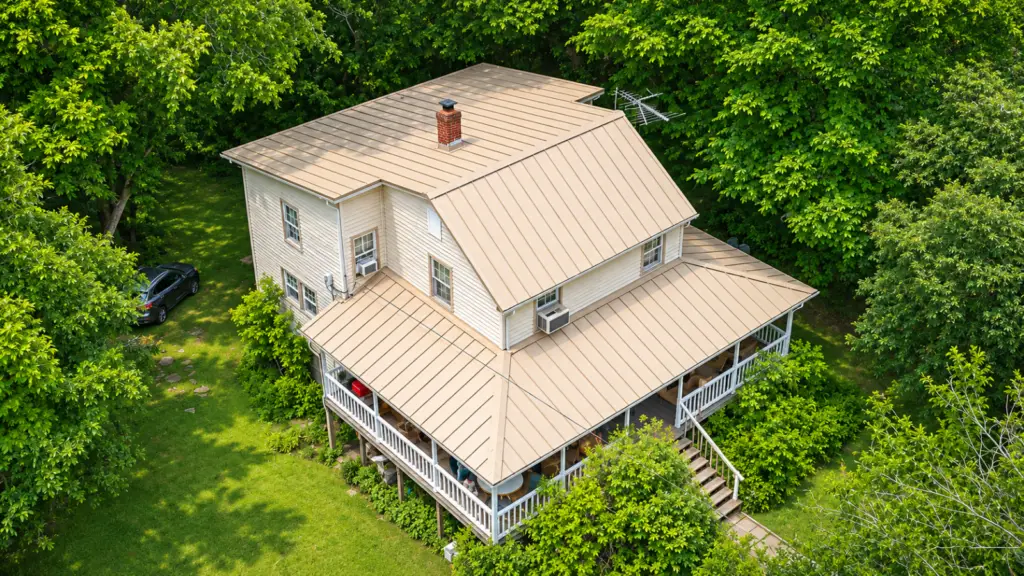
| Painted standing seam steel | 30 to 50 years | Factory coatings help the finish hold up |
| Concrete tile | 40 to 50 years | Heavy, so the roof structure matters |
| Glazed clay tile | 50 years or more | Heavy and a specialty install |
Most homes in our area wear asphalt shingles, which is why they get most of the attention. Metal costs more up front but gives you more years for the money, which is why it comes up so often when homeowners compare roof lifespan Missouri options. A free inspection from RC Roofing and Contracting lets us look at your actual roof and tell you which material makes sense for your house and budget.
How Missouri weather affects your roof
A Missouri roof deals with hot summers, freezing winters, heavy rain, strong wind and the occasional hail storm. None of that is unusual on its own, but over the years it adds up. Shingles that heat up and cool down again and again can lose granules and become brittle. Wind can lift and crack shingles. Hail can bruise the surface in ways that are hard to spot from the ground.
That is why roof lifespan Missouri homeowners see on paper is only a starting point. A 25 year shingle that has been through several hard storm seasons may not reach 25 years. A roof that has been looked after can sometimes go beyond its range.
Attic ventilation matters too. A hot, damp attic ages the roof deck and shingles from the inside, and it can quietly cut into roof lifespan Missouri homeowners were counting on. If your attic feels stuffy in summer or you notice frost or damp spots in winter, mention it during your inspection.
Repair or replace and the signs to watch for
A roof does not fail all at once. It usually gives warning signs first. Watch for these.
- Shingles that are curling, cracking or missing
- Heavy granule loss, with granules collecting in gutters or at downspouts
- Water stains on ceilings or walls
- Daylight showing through the attic boards
- Sagging areas in the roofline
- A roof that is at or past the typical age range for its material
One or two of these does not automatically mean a new roof. A few damaged shingles, a bad flashing detail or a small leak around a vent can often be repaired, and a good repair can add real years. Knowing where your roof sits within the typical roof lifespan Missouri homes see also helps you decide. We do both repairs and full replacements, and we will tell you which one fits.
In general, repair makes sense when the damage is limited and the rest of the roof is in solid shape. Replacement makes sense when problems keep coming back, when damage is widespread, or when the roof is near the end of its expected life. Putting money into repeated repairs on a worn-out roof usually costs more in the long run.
Costs depend on roof size, pitch, material and what we find underneath. Any number you read online is an estimate. A free inspection gives you the real figure for your home.
How to get more years out of your roof
You cannot control the weather, but you can control a lot of the rest.
- Clean gutters so water does not back up under the shingles.
- Trim branches that hang over the roof.
- Look at the roof from the ground after big storms, and book an inspection if you see anything off.
- Fix small leaks and loose flashing early, before water reaches the decking.
- Keep the attic ventilated so heat and moisture can escape.
- Have the roof inspected every few years, especially once it passes the halfway point of its expected life.
These habits cost little compared to a new roof, and they help your roof reach the upper end of the typical roof lifespan Missouri homes see instead of the bottom.
Frequently asked questions
How long does an asphalt shingle roof last in Missouri?
Roof lifespan Missouri asphalt shingles reach is usually between 15 and 30 years. Three-tab shingles sit at the lower end and architectural shingles at the higher end. Storms, ventilation and installation quality can move your roof up or down that range.
How do I know when my roof needs to be replaced?
Look for curling or missing shingles, heavy granule loss, ceiling stains, daylight in the attic and sagging. Age matters too. If the roof is near the end of its range and showing several of these signs, replacement is usually the better choice than repeated repairs.
Does a metal roof last longer than shingles?
Usually, yes. Painted standing seam steel typically lasts 30 to 50 years, which is often well beyond a standard shingle roof. It costs more up front, so the right choice depends on how long you plan to stay in the home.
Can a repair extend the life of an older roof?
Sometimes. If the damage is limited and the rest of the roof is sound, a repair can buy you several more years. If the whole roof is worn out, a repair only delays the bigger job. An inspection will tell you which situation you are in.
Know where your roof stands
If you are wondering about the roof lifespan Missouri weather has left your home with, the easiest way to find out is to have someone look at it. RC Roofing and Contracting is BBB Accredited with an A+ rating and a member of the Washington Area and Sullivan Area Chambers of Commerce. We serve homeowners in Washington, Villa Ridge, Union, Pacific and across Franklin County.