For homeowners in Washington, Wildwood, Frontenac, Town & Country, Chesterfield, Eureka, Augusta, Union, and Pacific, roof replacement is more than just a home improvement project—it’s a significant financial decision that influences comfort, safety, and even insurance costs. Many residents don’t realize how strongly their roof affects their home insurance rates. A new roof can not only boost curb appeal and increase property value but also have a direct impact on roof replacement insurance premiums.
At RC Roofing, we know that Missouri homeowners want to protect their homes while keeping expenses under control. Understanding the relationship between roof condition and insurance premiums is key to making smart decisions. In this article, we’ll explain how insurance providers view roofing, why certain materials and installation practices matter (something we at Rc Roofing can consult you on), and how roof replacement can actually save you money on insurance in the long run. Make sure to follow us on Facebook for a free consultation.
Why Insurance Companies Care About Your Roof
Your roof is your home’s first line of defense against storms, hail, heavy rains, snow, and wind. When a roof fails, the result is often major interior damage—walls, flooring, furniture, and even electrical systems can be affected. Because insurance companies bear the cost of these claims, they pay close attention to the condition of your roof.
Older, damaged, or poorly maintained roofs are considered higher risks, which means higher premiums or even denied coverage. On the other hand, a newly installed, high-quality roof demonstrates reduced risk, making insurers more willing to offer lower rates. That’s why a roof replacement often directly influences home insurance premiums for old roof.
The Impact of Age and Professional Installation
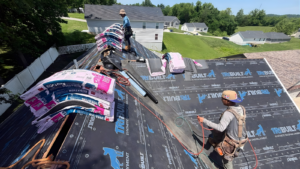
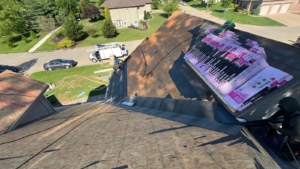
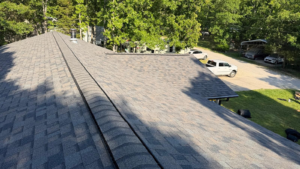
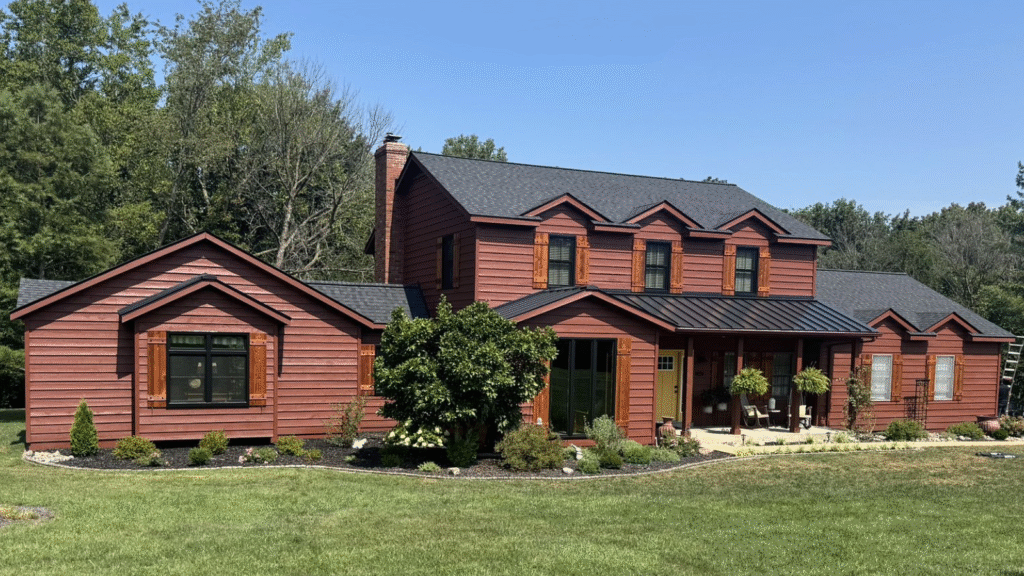
A brand-new roof serves as a primary risk reducer because insurers recognize that fresh systems are far less prone to leaks or structural failures than those approaching the 15-year mark. This “age advantage” often triggers immediate discounts. Furthermore, the integrity of the installation is just as vital as the products used. Partnering with a certified, trusted contractor like RC Roofing signals to your provider that the system meets or exceeds manufacturer specifications, which minimizes the likelihood of future claims related to faulty workmanship.
Material Choice and Regional Resilience
The specific material you select acts as one of the strongest predictors for rate adjustments. While standard asphalt shingles are a reliable baseline, upgrading to metal roofing—the “gold standard” for durability—can earn the highest fire-resistance and longevity discounts. In Missouri communities like Chesterfield, Eureka, and Pacific, insurers place a high premium on weather-hardened features. Investing in Class 4 impact-resistant shingles or specialized underlayment helps your home withstand local hail and wind, which can significantly soften the long-term impact of a roof replacement on your premiums.
Compliance and Replacement Value
Modernizing your roof to meet or exceed current building codes demonstrates a commitment to home safety that insurers are eager to reward. By “hardening” your home against environmental stressors through code-compliant upgrades, you present a lower risk to the carrier. While high-end materials like tile or slate offer exceptional protection, they also carry higher replacement costs, so the resulting premium changes often reflect a balance between their extreme durability and the expense of a potential total loss.
How Much Can a Roof Replacement Lower Insurance Premiums?
The exact savings vary depending on the insurance company, roof type, and location. However, many home owners programs in Wildwood, Town & Country, and Washington see premium reductions of 5 to 20 percent after roof replacement. Over the lifetime of a roof, these savings can add up to thousands of dollars.
For instance, if your annual premium is $2,000 and a new roof saves you 15 percent, that’s $300 a year—or $6,000 over 20 years. Combined with energy efficiency gains and fewer repair bills, the financial benefits of a roof replacement become even clearer.
Roof Materials and Their Insurance Impact
Different roofing materials carry different weights with insurance providers.
Asphalt Shingles
The most common material in Missouri, asphalt shingles are affordable and widely available. Insurers often consider them reliable but may not offer large discounts because of their shorter lifespan compared to other materials.
Metal Roofing
Metal roofs are highly durable and fire-resistant, making them attractive to insurance providers. In some cases, choosing metal roofing can lead to substantial reductions in roof replacement insurance premiums.
Slate and Tile
Homes in upscale areas like Frontenac or Town & Country sometimes feature slate or tile roofs. These materials are extremely durable but costly to replace, so insurers may balance discounts against potential replacement costs.
Impact-Resistant Shingles
Insurance companies often provide the largest discounts for impact-resistant shingles, especially in storm-prone areas like Eureka, Union, and Pacific. These shingles can withstand hail and debris, reducing claims and lowering premiums.
The Role of Roofing Inspections in Insurance Savings
After a roof replacement, most insurers require proof of installation quality. A professional inspection ensures everything was installed correctly and up to code. RC Roofing provides homeowners with detailed documentation and photos that can be submitted to insurers to verify the upgrade.
This inspection not only helps secure lower insurance requirements for roof replacement but also provides peace of mind that the roof will perform as expected.
Common Misconceptions About Roof Replacement and Insurance
Many homeowners misunderstand how roof replacements interact with insurance. Let’s clear up a few common myths.
- Myth 1: Insurance will always pay for my new roof.
Insurance typically only covers roof replacement if the damage is caused by a covered event like hail or wind—not general wear and tear. - Myth 2: Premiums always go down after replacement.
While premiums often decrease, the amount depends on materials, installation, and insurer policies. - Myth 3: I don’t need to tell my insurer about my new roof.
Failing to report a replacement could mean missing out on savings or risking denied claims later.
By understanding the truth, homeowners in Washington, Chesterfield, and Augusta can make informed decisions about their insurance policies.
Insurance Discounts for Roof Upgrades
Insurers often provide specific discounts when certain roofing features are added:
- Hail-resistant shingles: Lower premiums in storm-prone regions.
- Fire-resistant materials: Reduced rates for homes in wildfire-risk zones.
- Proper attic ventilation: Decreases the risk of heat and moisture damage.
- Energy-efficient roofing: Some providers offer green-building incentives.
By asking your insurance company about these potential savings, you can maximize the financial benefits of your roof replacement and secure better home insurance companies roof replacement.
Local Considerations for Missouri Homeowners
Weather in Missouri can be unpredictable. Washington and Union often experience heavy rains, while Chesterfield and Wildwood face severe thunderstorms. Pacific and Eureka are no strangers to hail.
Because of these risks, insurers scrutinize roofing more closely in these communities. A new roof signals reduced risk of claims, which can directly lower roof replacement insurance premiums. Homeowners in these areas benefit more from replacement than those in milder climates.
The RC Roofing Advantage
At RC Roofing, we go beyond simply installing roofs. We guide homeowners through the insurance side of roof replacement, helping them:
- Select materials that qualify for insurance discounts
- Provide detailed inspection reports insurers require
- Verify compliance with building codes
- Document installations for warranty and insurance purposes
We’ve worked with countless homeowners in Chesterfield, Town & Country, and Washington to maximize savings on both roofing costs and insurance premiums.
Long-Term Financial Benefits of Roof Replacement
While the upfront cost of roof replacement is significant, the long-term savings offset much of the expense. These savings include:
- Lower roof inspection for insurance purposes
- Reduced repair and maintenance costs
- Improved energy efficiency lowering utility bills
- Increased home resale value
When homeowners look at the full picture, replacing a roof becomes an investment rather than just an expense.
Homeowner Tips for Maximizing Insurance Savings
If you’re considering a roof replacement, here are some steps to make sure you get the best insurance savings possible:
- Contact your insurer first to ask about potential discounts for specific materials.
- Choose certified contractors like RC Roofing to ensure quality installation.
- Opt for impact-resistant shingles if you live in hail-prone areas.
- Keep inspection reports and receipts to submit to your insurance company.
- Review your policy annually to confirm you’re receiving all available discounts. By being proactive, homeowners in Wildwood, Augusta, and Pacific can maximize the impact of roof replacement on insurance savings.
Final Thoughts
For homeowners in Washington, Wildwood, Frontenac, Town & Country, Chesterfield, Eureka, Augusta, Union, and Pacific, roof replacement has a direct connection to home insurance costs. A new roof signals reliability, safety, and reduced risk, all of which can lower roof replacement insurance premiums. By choosing the right materials, working with a trusted contractor like contact us RC Roofing today, and submitting proper documentation to insurers, homeowners can maximize both protection and savings.
Your roof is more than just shelter—it’s a financial safeguard. If you’re considering a roof replacement, remember that the benefits go beyond shingles and nails. They extend into your insurance policy, your peace of mind, and your long-term financial stability.
Frequently Asked Questions
How does the age of my roof affect my home insurance premiums?
Older roofs (15-20+ years) are seen as higher risk, leading to higher premiums or limited coverage. A new roof signals reduced risk and often lowers premiums by 5–20 percent.
Which specific roofing materials are rewarded with insurance discounts in Missouri?
Impact-resistant shingles (due to hail risk) and metal roofing (due to durability and fire resistance) are the most likely to qualify for substantial premium discounts.
Will my insurance pay for a roof replacement just because it’s old?
No. Insurance typically only covers replacement if the damage is from a covered event (like wind or hail), not general wear and tear due to age.