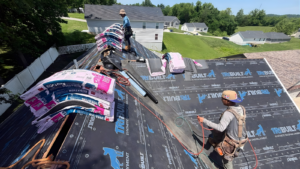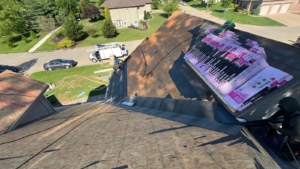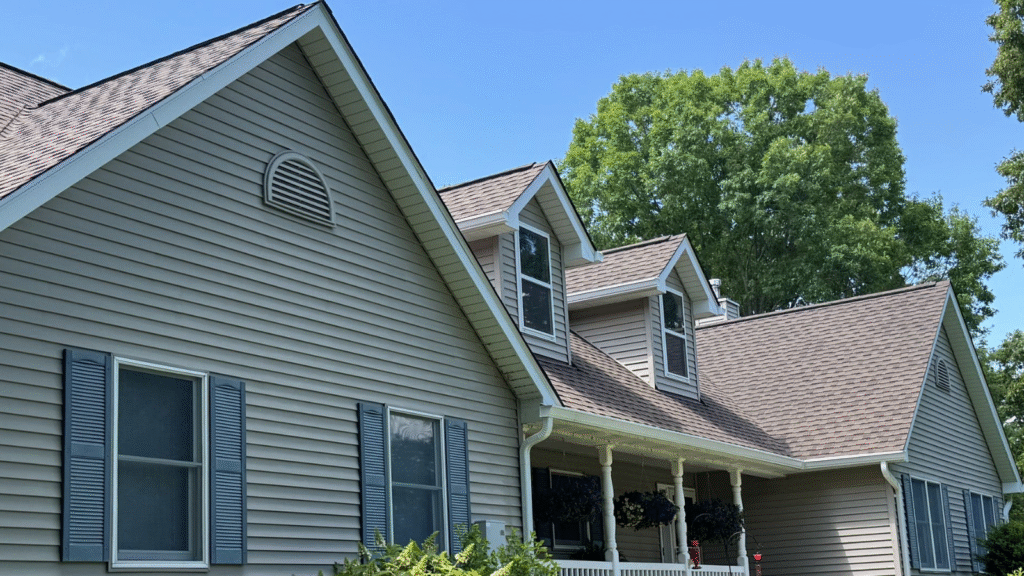
When homeowners in Washington, Wildwood, Frontenac, Town & Country, Chesterfield, Eureka, Augusta, Union, and Pacific decide it’s time for a new roof, the most critical step is not choosing the contractor or the shingle brand. The real key to success is writing clear, detailed roof replacement specifications.
These specifications act as a roadmap for the entire project. Without them, misunderstandings, surprise costs, and installation errors become far more likely. At RC Roofing, we help families across Missouri build strong, accurate specifications that protect both their home and their investment.
This guide explains why roof replacement specifications matter, what they should include, and how they ensure long-term quality and performance.
Why Roof Replacement Specifications Matter

A roof replacement includes many moving parts—tear-off steps, materials, underlayment, ventilation, flashing, warranties, and installation methods. Clear documentation helps:
- Define exactly what the contractor must deliver
- Keep homeowners and roofing crews aligned
- Prevent surprise costs
- Maintain quality at every stage
- Support insurance claims
- Protect resale value
Without written specifications, homeowners may assume one plan while the contractor follows another. Clear specs prevent this—and ensure a smooth, stress-free project.
Why Missouri Homes Need Detailed Specifications
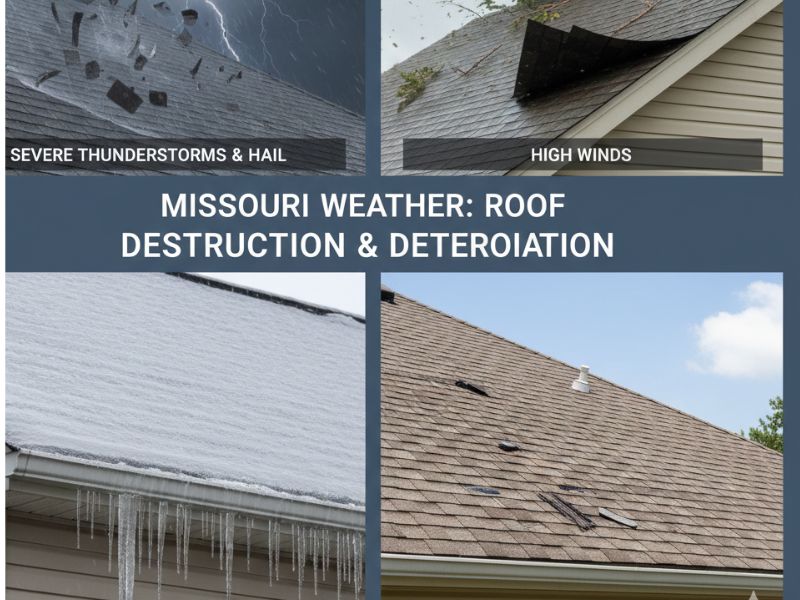
Missouri weather is demanding. High winds, storm activity, freeze–thaw cycles, and humid summers test every roofing system. Homes in Washington, Wildwood, Chesterfield, and surrounding areas must be built with:
- Correct underlayment
- Proper ventilation
- Ice and water barriers
- Strong decking
- Code-approved materials
Specifications ensure your roof is designed for Missouri’s climate and meets local building code requirements (reference: ICC — International Code Council).
Common Problems When Specifications Are Missing
Many roofing failures happen because homeowners did not define expectations upfront. Issues include:
- Contractors using lower-grade materials
- Incomplete tear-offs
- Poor attic ventilation
- Missing or reused flashing
- Incorrect shingle color or product line
- Insufficient ice and water shield
- Improper nailing techniques
Well-written roof replacement specifications eliminate these risks.
What Every Roof Replacement Specification Should Include
Below is the exact structure RC Roofing uses for accurate and complete project documentation.
1. Project Overview
A strong specification begins with basic project details:
- Property address
- Type of existing roof
- New roofing material
- Approximate square footage
- Start and completion dates
- Waste removal plans
This gives contractors a clear foundation.
2. Tear-Off Requirements
Always document a full tear-off:
- Removal of all shingles
- Removal of old underlayment
- Inspection of decking
- Replacement of weakened or rotted decking
- Removal of all flashing and vents
Partial tear-offs hide damage. Specifications prevent this.
3. Decking Requirements
Decking strength determines roof integrity. Your specification should include:
- Minimum thickness
- Approved decking material
- Cost per sheet for replacement
- How nails will be reset or replaced
- Moisture content requirements
This ensures the roof’s structural base is ready for installation.
4. Underlayment Specifications
Underlayment protects against water damage. Define:
- Product type (synthetic, felt, peel-and-stick)
- Thickness
- Required overlap
- Ice & water barrier placement
- Fastening rules
This prevents contractors from choosing cheaper alternatives.
5. Ice and Water Shield Requirements
In Missouri, freeze–thaw cycles demand strong ice protection. Include:
- Required areas (eaves, valleys, chimneys, skylights)
- Minimum coverage beyond eaves
- Material thickness
- Product type
This protects your home from ice dams and unexpected leaks.
6. Ventilation Plan
Proper ventilation prevents moisture, mold, and early shingle failure. When writing specifications, include:
- Vent type
- Ridge vent length
- Intake vent size
- Ventilation ratio calculations
- Whether the attic requires upgrades
Good ventilation improves energy efficiency (reference: U.S. Department of Energy).
7. Flashing Details
Flashing is critical for leak prevention. Document:
- Material type (aluminum, steel, or copper)
- Thickness
- Replacement instructions
- Step flashing requirements
- Valley and chimney flashing details
Never allow contractors to reuse old flashing.
8. Shingle or Material Requirements
List the exact roofing materials you want:
- Manufacturer
- Product line
- Color
- Warranty type
- Wind rating
- Impact resistance
- Weight and composition
Clear details prevent substitutions.
9. Fasteners and Nailing Patterns
Correct fasteners ensure durability. Include:
- Nail type and length
- Nails per shingle
- Fastening pattern
- Installation angle
- Placement rules
Even a perfect shingle fails if it’s nailed incorrectly.
10. Warranty Requirements
Your specification should define:
- Manufacturer warranty
- Workmanship warranty
- Registration steps
- Required maintenance
This protects your investment long-term.
11. Cleanup and Waste Management
Quality contractors leave no mess behind. Document:
- Dumpster placement
- Daily clean-up expectations
- Magnet sweeping for nails
- Final walkthrough requirements
This keeps your property safe and clean.
12. Safety Procedures
Specify:
- Ladder safety
- Fall protection
- Ground protection
- Landscape protection
A safe project is an efficient project.
How Homeowners Contribute to Better Specifications
Homeowners should clarify:
- Material preferences
- Budget range
- Aesthetic goals
- Long-term expectations
- Ventilation or energy concerns
The more detail provided, the stronger the specifications.
How Specifications Protect Your Budget
Good specifications help avoid:
- Hidden fees
- Mid-project price changes
- Material substitution
- Unnecessary add-ons
They also make it easier to compare bids fairly.
How Specifications Improve Communication
Clear specs provide one shared document for:
- Scheduling
- Planning
- Approvals
- Quality checks
This reduces delays and misunderstandings.
Contractor Accountability
Specifications help ensure:
- Proper techniques
- High-quality materials
- Code compliance
- Consistent craftsmanship
They protect the homeowner in case issues arise later.
Specifications and Insurance Claims
Well-documented roof specifications provide:
- Proof of materials
- Installation details
- Evidence of proper procedures
- Support for future claims
This is extremely valuable after storm damage.
Specifications for Older Missouri Homes
Older homes in Washington, Union, Augusta, and Pacific may require:
- Decking upgrades
- New ventilation systems
- Flashing improvements
- Code updates
- Additional structural adjustments
Specifications document all these steps clearly.
Specifications for High-End Homes
Frontenac and Town & Country often include:
- Larger roofs
- Unique rooflines
- Architectural materials
- Premium product lines
High-end homes need even more detailed specifications.
How RC Roofing Helps Homeowners
We assist with:
- Material comparisons
- Manufacturer recommendations
- Ventilation calculations
- Decking evaluations
- Flashing upgrades
- Warranty guidance
- Budget planning
Our goal is to create a specification that ensures a smooth, durable, and transparent roofing project.
How to Review Specifications Before Signing
Homeowners should:
- Read every detail
- Verify materials
- Confirm warranties
- Ensure tear-off steps are documented
- Compare bids fairly
- Ask questions
- Check for missing items
Good preparation prevents future frustration.
Why Roof Replacement Specifications Increase Home Value
Future buyers appreciate:
- Documented materials
- Verified installation quality
- Warranty proof
- Professional workmanship
This makes a new roof a strong long-term investment.
FAQs – Roof Replacement Specifications
1. What are roof replacement specifications?
They are detailed written instructions outlining every material, step, and expectation in a roofing project.
2. Why do Missouri homeowners need detailed specifications?
Missouri weather demands strong materials, proper ventilation, and code-approved installation.
3. Can clear specs prevent budget surprises?
Yes. Specifications outline costs upfront and prevent mid-project price changes.
4. Should flashing always be replaced?
Yes. Old flashing is a major source of leaks and should not be reused.
5. Do roof replacement specifications help with insurance claims?
Absolutely. They provide documented proof of what was installed.
6. Who should help write roof replacement specifications?
A qualified roofing contractor—like RC Roofing—should help guide the process.
Conclusion
Roof replacement is a major project, and success begins with clear, detailed roof replacement specifications. They protect your home, budget, and long-term peace of mind. Whether you live in Washington, Wildwood, Frontenac, Town & Country, Chesterfield, Eureka, Augusta, Union, or Pacific, the right specifications ensure your new roof is strong, durable, and built to last.
If you need help reviewing or creating roof replacement specifications, RC Roofing is here to support you at every step.