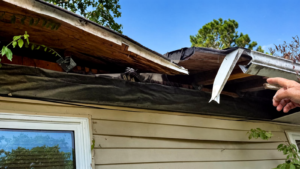
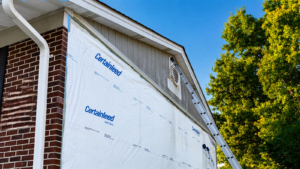
For homeowners in Missouri cities like Washington Wildwood Frontenac Town & Country Chesterfield Eureka Augusta Union and Pacific roof issues can range from surface-level wear to deep-rooted structural concerns. While a few missing shingles may be obvious, structural problems tend to lurk beneath the surface and can escalate into significant damage if not handled promptly.
Structural roof repairs focus on restoring the integrity of your roof’s framework and decking which serve as the foundation of your entire roofing system. At RC Roofing we specialize in identifying and solving structural problems that threaten your roof’s performance and safety. To see examples of our work and get valuable maintenance tips, make sure to follow us on our Facebook Page.
Understanding Structural Roof Damage
Structural damage refers to any problem that affects the support systems of your roof. This includes the rafters trusses joists beams and decking that form the skeleton of your roofing structure. Unlike cosmetic issues such as granule loss or moss growth these problems can compromise the roof’s ability to carry weight resist weather or maintain shape. roof structure integrity involve reinforcing or replacing these key components to ensure your home remains protected and safe.
What Causes Structural Roof Issues
Homeowners in Chesterfield Eureka and the surrounding areas may encounter structural problems for a variety of reasons. Common causes include water infiltration persistent leaks pest infestations improper construction settling foundations and extreme weather events such as snowstorms or high winds. Over time moisture from undetected leaks can lead to wood rot while termites or carpenter ants can weaken wooden beams. Additionally improper roof installation or inadequate attic ventilation can create sagging or warping in the roof deck.
Signs You May Need Structural Roof Repairs
Spotting signs of structural trouble early can prevent expensive repairs down the road. Here are the most common red flags that homeowners in Frontenac and Washington should watch for
- Sagging Rooflines – A visible dip or unevenness in the roof’s profile often indicates weakened rafters or trusses.
- Interior Ceiling Cracks – Cracks along the ceiling or at wall joints can signal that the roof’s structural load is shifting.
- Bowing Walls – Walls that appear to bulge inward or outward may be reacting to uneven pressure from a compromised roof.
- Water Stains – Discoloration on ceilings or attic walls often points to leaks that can rot roof decking and beams.
- Soft Spots – A roof that feels spongy when walked on is a major warning sign that the decking may be deteriorating.
- Increased Noise – Popping or creaking sounds coming from your attic during temperature changes may indicate movement in weakened structural members.
If you notice any of these issues in your home in Union Town & Country or Wildwood it is time to call RC Roofing for a professional evaluation.
The Importance of Early Intervention
Delaying rafter replacement can lead to a domino effect of escalating problems. What begins as a small area of rotted decking can spread to multiple roof sections causing leaks interior damage mold growth and insulation failure. In severe cases structural failure can lead to partial or total roof collapse especially during heavy snow or rainfall. Acting early not only saves money but also ensures your family’s safety and protects the value of your home.
Roof Decking Explained
The roof decking also known as the sheathing is the flat layer typically made of plywood or oriented strand board that covers the rafters and provides the surface for your underlayment and shingles. It plays a vital role in holding the roofing system together. Decking can become compromised when water seeps through damaged shingles or flashing and causes the wood to swell warp or rot. During a roof inspection RC Roofing checks for signs of sponginess discoloration mold or sagging which all indicate the need for decking repair or replacement.
How We Perform Rotting roof structure
At RC Roofing our approach to structural roof repairs involves a step-by-step process to ensure thorough diagnostics precise repairs and long-term durability. Here’s how we handle it
1. Inspection and Assessment
We begin by thoroughly inspecting your entire roof system from the exterior to the attic. Using tools like moisture meters thermal imaging and structural load analysis we determine the extent of damage and identify all compromised areas.
2. Temporary Stabilization
In some cases particularly after storm damage we may need to stabilize the roof to prevent further collapse or water entry. This includes temporary bracing tarps or support beams.
3. Framing Repairs
Damaged trusses joists or rafters are reinforced or replaced using high-grade lumber. We ensure all connections are secured using approved fasteners and metal brackets when necessary.
4. Decking Replacement
If sections of the decking are damaged we remove shingles underlayment and the compromised decking. We then replace it with moisture-resistant plywood or OSB.
5. Roof System Reassembly
Once the structure is secure we reinstall the underlayment shingles flashing and other elements using best practices for water resistance and ventilation.
6. Final Inspection and Report
After completion we perform a final inspection to ensure everything is up to code and structurally sound. We also provide roof inspection documentation to keep in your home maintenance records.
Commercial Roof Structural Repair After Storms
Missouri’s climate can deliver intense storms that put your roof under stress. After a severe wind hail or snow event homeowners in Pacific Chesterfield or Augusta may discover roof leaks or sagging that indicate internal damage. RC Roofing offers emergency storm damage roof structure designed to address urgent issues quickly and safely. Our team arrives with the tools materials and experience to stabilize and restore your roof even after significant damage.
How Moisture Leads to Structural Problems
Water is one of the most destructive forces for roofing structures. When water finds its way past shingles and underlayment it can sit on the decking or drip into rafters and insulation. Over time the moisture breaks down wood fibers creating soft spots rot and mold. structural assessment for roofs often involve removing not just visibly wet materials but also hidden damp wood that can continue to degrade if left in place. In Washington and Eureka where humidity levels are often high controlling moisture intrusion is critical to roof longevity.
The Role of Ventilation in Structural Health
Many homeowners in Frontenac and Union overlook attic ventilation but it is a key factor in preventing the need for structural roof repairs. Poor ventilation leads to trapped heat and moisture which accelerates the deterioration of wooden components. RC Roofing evaluates your attic’s ventilation system and may recommend additional soffit vents, ridge vents or attic fans to help regulate temperature and humidity. Proper airflow extends the life of your decking rafters and shingles while also improving indoor comfort and energy efficiency.
Roof Deck Overlays vs Full Replacement
In some cases a roof may appear to need only a new layer of shingles but hiding damaged decking beneath new materials is never a good idea. At RC Roofing we never recommend re-roofing over rotten or compromised structures. Our team performs full tear-offs when necessary to expose and correct underlying damage before any new installation. This ensures your flat roof structural repair last and your investment is protected.
Roof Reinforcement for Older Homes
Many homes in historic areas like Washington or Wildwood were built decades ago and may not meet modern building standards for roof load or support. Structural assessment for roofs in these homes often involve adding collar ties sistering rafters or upgrading to stronger materials. These improvements bring the roof system up to current codes and offer better performance during storms and seasonal shifts.
Insulation Upgrades During Repairs
When performing structural roof repairs we often have the opportunity to improve insulation especially in attic and eave areas. Swapping out old or damp insulation for new energy-efficient materials helps regulate your indoor climate and reduce utility bills. Homeowners in Town & Country and Eureka who want to enhance their home’s comfort often request insulation upgrades as part of the structural repair process.
Common Myths About Structural Roof Leaks
Myth One – All roof problems are visible from the outside
In reality many issues like rot or cracked joists are hidden beneath shingles and require attic inspection to diagnose.
Myth Two – You can patch structural problems with surface fixes
Covering a sagging area with new shingles may hide the problem temporarily but does nothing to restore the structure beneath.
Myth Three – Structural repairs are always expensive
While some repairs are significant addressing issues early often results in minor reinforcements that cost far less than full replacements.
Maintaining Structural Integrity Over Time
To avoid costly repairs down the line we recommend the following steps for homeowners in Chesterfield Pacific and Frontenac
- Schedule Annual Roof Inspections
- Keep Gutters Clean and Clear
- Watch for Interior Water Stains
- Trim Overhanging Branches That Could Fall on the Roof
- Inspect the Attic After Heavy Rain or Snow
- Replace Missing or Damaged Shingles Immediately
- Address Any Signs of Mold or Mildew Quickly
By taking a proactive approach to roof maintenance you reduce the likelihood of needing structural assessment for roofs and extend the life of your entire home.
Why Choose RC Roofing for Attic Structural Repair
At RC Roofing we specialize in diagnosing and resolving the structural issues that other contractors miss. Our crews are trained to work safely in active construction zones and we use only code-compliant materials and methods. With years of experience working on homes in Washington Wildwood Frontenac Town & Country Chesterfield Eureka Augusta Union and Pacific we know the local building codes, weather patterns and architectural styles. When you choose RC Roofing you get reliable long-term solutions not just short-term fixes.
Final Thoughts
Structural roof repairs are not something homeowners should delay or take lightly. The longer you wait the more likely minor issues will turn into major repairs. Whether you are dealing with sagging decking, cracked rafters, water damage or old construction that no longer meets code our team at RC Roofing is ready to help. We provide detailed inspections, personalized solutions and professional repairs that restore your roof’s strength and safety.
If you are in Washington Wildwood Frontenac Town & Country Chesterfield Eureka Augusta Union or Pacific contact us Rc Roofing today to schedule a structural assessment. Let’s make sure your home stays protected from the top down.
Frequently Asked Questions About Structural Roof Repairs
Q: What is structural roof damage?
A: It’s damage to the core framework of your roof (rafters, trusses, decking) that compromises its load-bearing capacity and shape. It’s much more serious than a simple surface leak.
Q: What are the biggest warning signs I need structural repair?
A: Look for a sagging or uneven roofline, cracks in your interior ceiling, and any soft spots on the roof deck.
Q: What is the main cause of structural damage?
A: Water infiltration from undetected leaks is the primary cause, leading to wood rot in the decking and rafters over time. Pest infestations and poor ventilation are also common culprits.
Q: Why is roof decking so important?
A: The decking (sheathing) is the layer the shingles sit on. If it rots, the entire roofing system loses its foundation and stability.
Q: Can I just put new shingles over rotten wood?
A: No. You must replace all compromised decking and framing before installing new materials. Covering rot only hides the underlying structural issue.
Q: Does bad attic ventilation cause structural damage?
A: Yes. Poor airflow traps moisture, which accelerates wood rot and deterioration of the structural components inside the attic.