Roof problems often seem to come out of nowhere — a leak after a storm, a water stain on the ceiling, or sagging shingles along the edge. But at RC Roofing, we’ve found that many of these issues aren’t caused by faulty roofing materials or workmanship. Instead, they’re the result of poor water drainage. In homes across Washington, Wildwood, Frontenac, and the surrounding areas, roof drainage repair is one of the most overlooked but essential parts of protecting your investment; make sure to follow us on Facebook Page for tips and special offers!
This article explores why drainage matters, what goes wrong when it’s neglected, and how proper roof repair can reduce the need for expensive fixes year after year.
Why Roof Drainage Is a Critical Component of Roofing Health
Every roof is designed to move water — whether it’s rain, melting snow, or even condensation. When water isn’t directed off your roof properly, it starts to collect in the wrong places, increasing the risk of rot, leaks, and even structural damage.
Proper repair drainage roof ensures that:
- Gutters and downspouts function efficiently
- Water is directed away from valleys and roof edges
- Flashing is sealed and pitched correctly
- Roof slope and materials work together for runoff
Without this, even a brand-new roof can begin to fail in just a few seasons.
How Water Accumulation Leads to Frequent Roof Repairs
Water is relentless. When allowed to sit, it seeps into cracks, freezes in cold weather, or slowly wears away at materials meant to last for decades. We’ve seen homes in Chesterfield and Eureka with recurring leaks that were never roofing problems at all — they were drainage problems in disguise.
Left unchecked, poor drainage leads to:
- Shingle degradation from water pooling
- Underlayment breakdown
- Rotting roof decking
- Soffit and fascia mold
- Water intrusion into attics and walls
That’s why timely repair drainage roof is one of the best ways to avoid ongoing repair bills.
Common Drainage Issues Found in Missouri Homes
In Missouri’s four-season climate, roofs need to handle rain, snow, and ice throughout the year. Common problems include:
- Clogged or undersized gutters
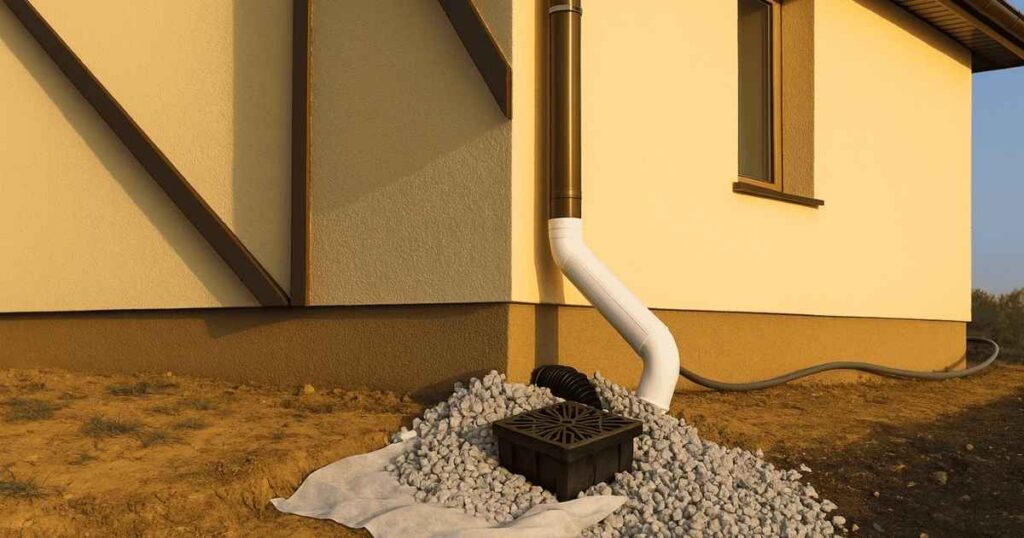
- Downspouts that empty too close to the foundation
- Debris buildup in roof valleys
- Poor pitch that prevents proper runoff
- Collapsed or damaged flashing
- Improperly installed roof edge components
All of these can lead to the need for repair drainage roof — especially in older homes or tree-filled neighborhoods.
How Poor Drainage Affects Shingles, Underlayment, and Decking
Shingles are your first line of defense, but they’re not waterproof. They rely on good slope and fast water runoff to do their job. When water stays on the roof longer than it should, it begins to:
- Curl the edges of asphalt shingles
- Deteriorate underlayment layers
- Soften plywood decking beneath
- Allow mold and mildew to form
These situations almost always call for roof repair before any other repairs are done.
Gutters, Downspouts, and Scuppers: The Unsung Heroes of Drainage
Gutters and downspouts often get overlooked — until they overflow. But they’re essential parts of the roof drainage system. Scuppers, used on flat or low-slope roofs, are equally important.
When one component fails or gets clogged, the whole system backs up. That’s when water sheets over siding, collects at the foundation, or seeps beneath shingles. Regular cleaning and timely repair drainage roof prevent these issues.
When Do You Need Roof Drainage Repair? Warning Signs to Watch For
Many drainage issues go unnoticed until a major leak forces an emergency call. Watch for these early signs:
- Water pooling at the base of exterior walls
- Overflowing gutters even after cleaning
- Staining or mildew along fascia boards
- Ice forming at eaves during winter
- Shingles that appear discolored or warped
If you live in Augusta, Pacific, or Frontenac, seasonal inspections can catch these issues early — before serious damage occurs.
Winter and Spring Drainage Challenges in Washington and Beyond
Cold-weather drainage is tricky. In Washington and nearby towns, melting snow and freezing rain can block downspouts and gutters, forcing water back under shingles. Spring storms then pour rain onto already saturated roofs.
Without timely repair drainage roof, these patterns speed up roof deterioration. RC Roofing helps homeowners prepare with seasonal maintenance and early detection.
How Improper Drainage Leads to Ice Dams and Water Intrusion
Ice dams form when warm air melts snow at the roof’s peak, only for that water to freeze again at the colder edge. This frozen barrier traps water on the roof, eventually seeping under shingles and causing leaks.
While insulation and ventilation help, repair drainage roof is key to keeping water moving and preventing ice dams.
The Role of Roof Slope and Pitch in Effective Drainage
Your roof’s slope and pitch determine how fast water moves — and where it goes. Flat or low-slope roofs are more vulnerable to pooling. These require well-maintained scuppers and drains.
Steep-pitched roofs may shed water quickly but can cause edge runoff issues. During a roof drainage repair, RC Roofing ensures all components are aligned with your home’s specific design.
Why Soffits and Fascia Often Take the First Hit
Soffits and fascia are directly beneath your gutters. When gutters overflow or detach, water runs over these boards, causing rot and mold. These are often the first signs of drainage failure.
Roof repair often includes replacing or sealing these areas to stop further damage.
The Long-Term Cost of Ignoring Roof Drainage Problems
Ignoring poor drainage shortens your roof’s lifespan by years. A small roof repair today can prevent:
- Mold in attics
- Rotted decking and framing
- Interior drywall damage
- Rising energy bills
How RC Roofing Handles Drainage-Related Roofing Damage
Our team inspects every drainage point during your roofing service. We look at:
- Gutter size and condition
- Downspout direction
- Valley and edge flow
- Flashing around chimneys
- Signs of past water intrusion
Preventative Measures: Keeping Your Drainage System in Shape
To reduce how often you need roof repairs caused by drainage issues:
- Clean gutters twice yearly
- Inspect edges and valleys after storms
- Install gutter mesh or leaf guards
- Make sure downspouts discharge far from the house
- Get annual roof inspections that include drainage
Final Thoughts: Investing in Roof Drainage Repair to Protect Your Home
Proper drainage isn’t just a detail — it’s critical to your roof’s health. Whether you’re in Chesterfield, Wildwood, or Union, don’t wait for a leak. Investing in roof drainage repair now protects your roof, your home, and your peace of mind.
Contact us RC Roofing today proudly serves homeowners across Washington, MO and the surrounding areas. If your roof shows signs of poor drainage, we’re ready to help — with expert inspections, clear recommendations, and lasting solutions.
Frequently Asked Questions About Roof Drainage Repair Services
Q: Why is roof drainage considered a critical component of roofing health?
A: Proper drainage prevents water pooling, which causes rot, leaks, and structural damage. Without it, the life of your roofing materials is severely shortened, even on a new roof.
Q: What are the most common signs that a homeowner needs roof drainage repair?
A: Look for overflowing gutters, water pooling on the roof or near the foundation, stains or mildew on fascia boards, and the formation of ice dams in winter.
Q: How does poor drainage lead to expensive, long-term problems like structural damage or foundation issues?
A: Standing water rots the wood decking and framing from above, while excessive runoff erodes the soil near the house, potentially leading to foundation cracks and instability.
Q: What role do gutters and downspouts play in the overall roof drainage system?
A: They are the system’s primary channel, collecting water from the roof edge and directing it safely away from the structure and foundation. If clogged, they cause water to back up under the shingles.
Q: Can clogged gutters cause leaks in my roof?
A: Yes. Clogs trap water, allowing it to pool and then seep up and under the shingles and underlayment, especially at the eaves, often leading to internal leaks.
Q: How does the roof’s slope (or pitch) affect its drainage?
A: The pitch determines the speed of runoff. Low-slope roofs are prone to ponding (standing water) and require careful drain placement, while steep roofs shed water quickly.