Storms can leave behind more than scattered branches and overflowing gutters—they can expose your home to serious roof damage in a matter of minutes. One heavy downpour, powerful wind gust, or hailstorm is often enough to tear away shingles, loosen flashing, or create openings that allow water to seep inside. When you discover a leak after severe weather, the first question that usually comes to mind is: Should you try to fix it yourself, or wait for a professional roofer?
The answer depends on the extent of the damage, but one thing is certain: acting quickly can prevent a minor roofing problem from becoming a costly structural repair. A properly executed temporary storm roof repair is designed to shield your home from additional water intrusion until permanent repairs can be completed. However, not every emergency fix is created equal. Some methods genuinely protect your roof, while others can make the damage significantly worse.
At RC Roofing, we’ve helped homeowners throughout Washington, Wildwood, Frontenac, Chesterfield, Town & Country, Eureka, Augusta, Union, Pacific, and surrounding Missouri communities recover from every type of storm imaginable. Through years of emergency response and roof restoration, we’ve learned exactly which temporary solutions work—and which ones homeowners should avoid.
Why Temporary Storm Roof Repair Is So Important
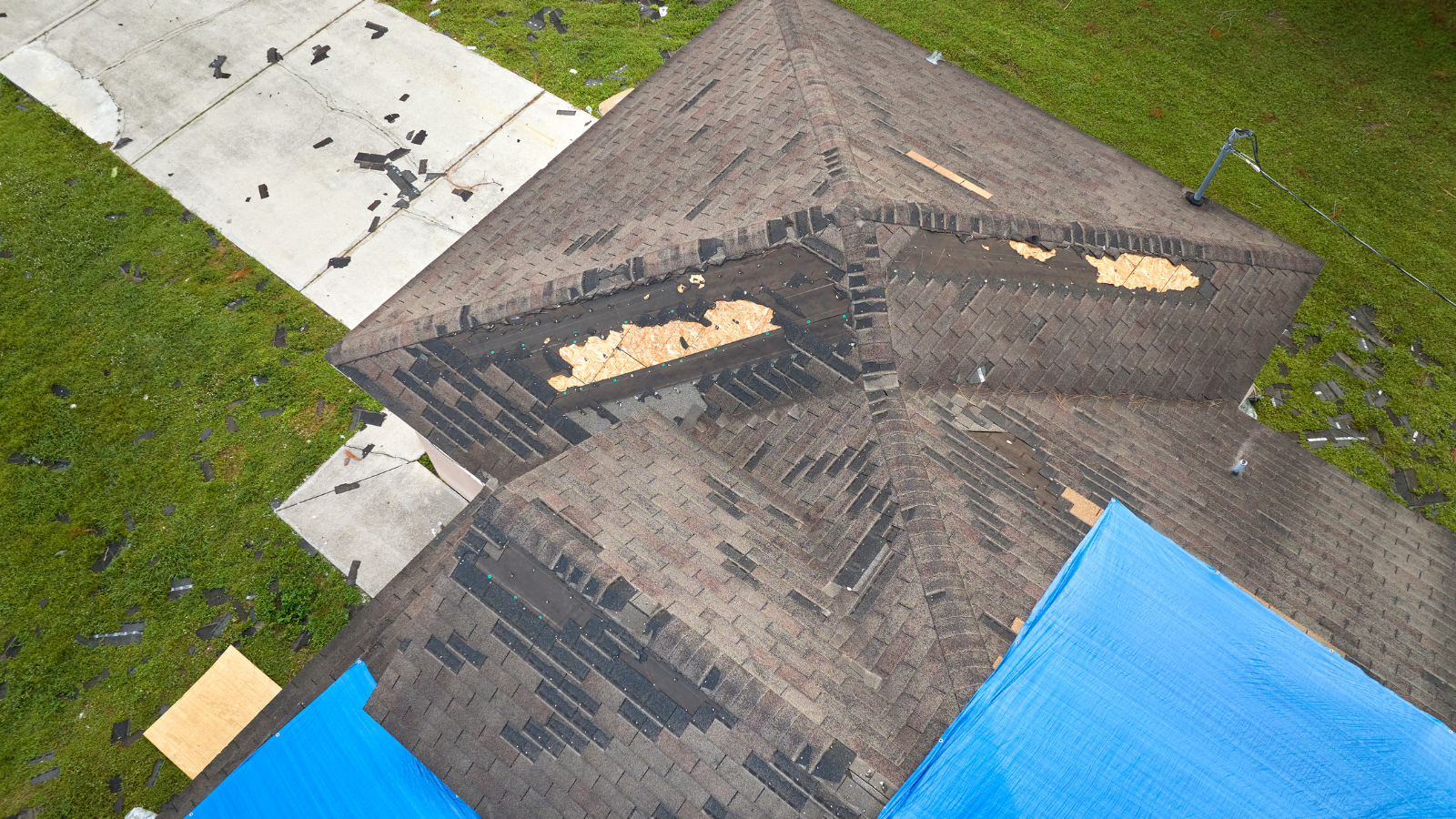
Many homeowners assume that once a storm has passed, the damage has already been done. While it’s true that severe weather can cause immediate problems, the greatest financial losses often occur during the days that follow.
A damaged roof doesn’t simply leak straight down. Water travels beneath shingles, follows roof decking, seeps into insulation, and can spread through rafters before appearing as a ceiling stain inside your home. Even a relatively small opening can allow moisture to quietly damage structural components for days or weeks.
Missouri homeowners understand how unpredictable the weather can be. One storm is often followed by another before roofing contractors can complete emergency inspections. After widespread hail or wind events, reputable roofing companies receive hundreds of service requests, meaning homeowners may need to wait several days before permanent repairs begin.
This is where temporary storm roof repair becomes essential.
The purpose isn’t to permanently solve the roofing problem. Instead, it’s designed to stabilize the damaged area, minimize additional water intrusion, and protect your home’s interior until professional repairs can be completed safely.
A successful temporary repair can:
- Reduce interior water damage
- Protect roof decking from prolonged moisture exposure
- Help prevent mold growth
- Preserve insulation
- Reduce repair costs
- Protect documentation for insurance claims
When handled correctly, these temporary measures buy valuable time without creating additional roofing issues.
Temporary Storm Roof Repair Methods That Actually Work
Not every emergency roofing solution deserves your trust. Some methods have proven effective for years, while others fail almost immediately after the next rainfall. Below are the repair techniques roofing professionals commonly recommend.
Heavy-Duty Roof Tarping
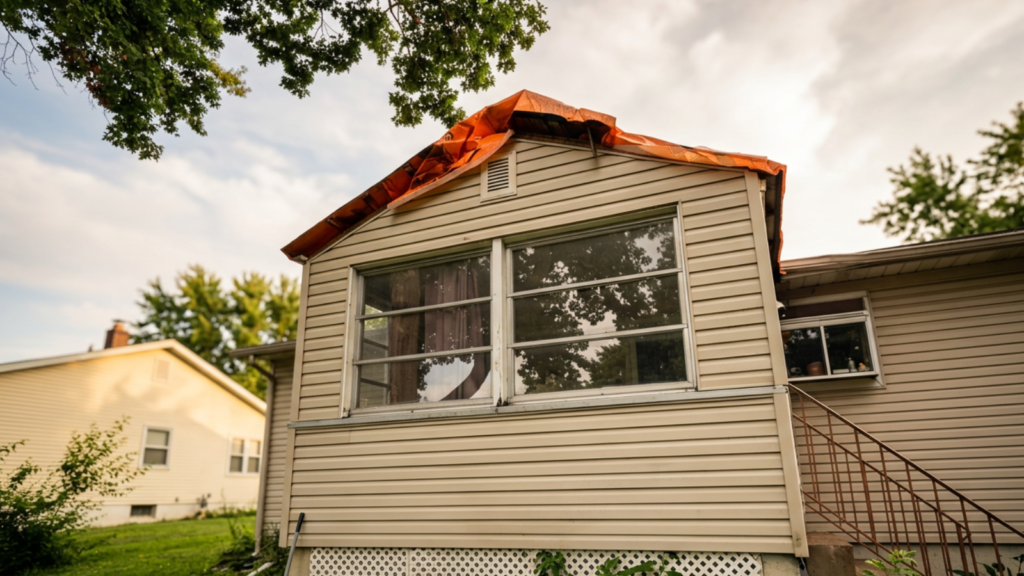
One of the most reliable forms of temporary storm roof repair is properly installed roof tarping.
When a section of shingles has blown away or hail has punctured the roofing system, a heavy-duty polyethylene tarp creates an immediate weather barrier that keeps additional rain from entering the home.
However, success depends entirely on proper installation.
The tarp should extend well beyond the damaged section and continue over the roof ridge whenever possible. Instead of driving nails directly through the tarp, professional installers typically wrap the edges around 2×4 boards before securing them. This technique minimizes new punctures while creating a stronger hold during windy conditions.
A quality reinforced tarp can provide dependable short-term protection until permanent repairs begin.
Cheap plastic tarps from home improvement stores may seem like an inexpensive solution, but many tear quickly under UV exposure or strong Missouri winds. Investing in professional-grade materials can make a significant difference.
If climbing onto your roof feels unsafe, don’t risk it. Emergency tarping is one of the services professional roofing contractors perform specifically to protect homeowners from unnecessary danger.
Roofing Cement for Small Damage
When storms create small cracks or loosen flashing around vents and chimneys, roofing cement can provide an effective temporary storm roof repair.
Roofing cement adheres well to asphalt shingles, flashing, and many roofing materials, creating a waterproof seal over minor openings. It’s especially useful for:
- Small punctures
- Lifted shingles
- Minor flashing separations
- Hairline cracks
For the product to perform correctly, the repair surface must be completely dry. Applying roofing cement to wet roofing materials significantly reduces adhesion and often causes the repair to fail.
It’s also important to remember that roofing cement is not intended as a permanent repair. Sun exposure, temperature fluctuations, and seasonal weather gradually weaken the material. While it provides valuable short-term protection, homeowners should still schedule professional repairs as soon as possible.
Self-Adhering Roof Repair Tape
Another excellent temporary storm roof repair option for smaller leaks is self-adhering roofing tape.
Unlike household tape, roofing repair tape is manufactured specifically for exterior weather exposure. The heavy-duty waterproof backing bonds tightly around flashing, vent pipes, roof penetrations, and small damaged sections where water commonly enters.
These products are especially useful around:
- Plumbing vent boots
- Exhaust vents
- Metal flashing
- Small roof penetrations
While repair tape isn’t suitable for replacing missing shingles or repairing widespread storm damage, it serves as an excellent temporary barrier until permanent repairs can be completed.
Roof Sealants and Elastomeric Coatings
Modern roof sealants have improved considerably over the past several years. Elastomeric coatings and specialized roofing sprays can temporarily seal very small cracks on certain roofing systems.
These products generally perform best on:
- Metal roofing
- Flashing joints
- Fastener heads
- Small seam separations
They’re much less effective on asphalt shingles where underlying materials may already be compromised.
Many homeowners mistakenly believe spraying a damaged shingle with sealant permanently fixes the leak. In reality, water often continues traveling underneath the shingles where the damage cannot be seen.
Treat these coatings as emergency protection—not a substitute for professional roofing repairs.
Protecting the Inside of Your Home
Not every temporary storm roof repair happens outside.
If rainwater has already entered your home, protecting your interior becomes just as important as protecting your roof.
Place buckets beneath active leaks, move valuable furniture away from affected areas, and cover flooring with plastic sheeting whenever possible. Wet insulation should also be removed if it can be accessed safely because moisture trapped inside insulation creates ideal conditions for mold growth.
Before moving anything, thoroughly photograph every damaged area. Capture images of ceiling stains, wet insulation, damaged belongings, missing shingles, and exterior roof damage. Detailed documentation plays an important role when filing an insurance claim after storm damage.
Sometimes the best temporary repair isn’t about fixing the roof immediately—it’s about minimizing additional damage while waiting for qualified roofing professionals to complete permanent restoration.
Temporary Storm Roof Repair Methods That Don’t Work
When homeowners discover roof damage after a storm, it’s natural to want an immediate solution. Unfortunately, urgency often leads to quick fixes that provide little protection—or worse, create even bigger problems.
At RC Roofing, we’ve seen countless roofs where well-intentioned DIY repairs ended up increasing repair costs. Understanding what not to do is just as important as knowing the right temporary storm roof repair methods.
Let’s look at some of the most common mistakes homeowners make after severe weather.
Using Duct Tape or Household Adhesives
Duct tape has earned a reputation as a universal repair product, but roofing is one place where it simply doesn’t belong.
Roofing materials are constantly exposed to sunlight, rain, fluctuating temperatures, and wind. Standard household adhesives aren’t designed to withstand these conditions. Within a short period, the adhesive begins to soften, curl, and peel away, allowing water to penetrate the damaged area once again.
Even worse, leftover adhesive residue can interfere with permanent repairs by preventing roofing materials from bonding correctly.
Painter’s tape, masking tape, packaging tape, and other common household products perform even worse. None of them offer reliable waterproof protection for a damaged roofing system.
If your first instinct is to grab a roll of tape from the garage, it’s better to skip the repair altogether and focus on protecting the inside of your home until professional help arrives.
Covering Damage with Cardboard or Thin Plastic
Some homeowners attempt to cover damaged roof sections using cardboard boxes, painter’s plastic, or lightweight drop cloths.
While these materials may seem waterproof at first glance, they fail almost immediately once exposed to rain or wind.
Cardboard quickly absorbs moisture, becoming heavy, soft, and ineffective. Instead of protecting the roof, it traps moisture against the damaged surface, creating an ideal environment for wood rot and mold growth.
Thin plastic sheeting isn’t much better. Strong winds can easily tear or blow it away, leaving the damaged area completely exposed.
Professional-grade roofing tarps are specifically engineered for outdoor weather exposure. They’re thicker, reinforced, and capable of handling significantly more stress than ordinary household plastic.
Laying Loose Plywood Over the Roof
Another common mistake involves placing sheets of plywood directly over damaged roofing.
While plywood plays an important role in many permanent roof repairs, simply laying a loose panel over missing shingles isn’t considered an effective temporary storm roof repair.
Without proper fastening, plywood can shift, slide, or become airborne during the next windstorm, creating a serious safety hazard for your family and neighbors.
In addition, plywood alone doesn’t create a waterproof barrier. Rainwater can still find its way beneath the panel and continue damaging the roof decking below.
Only trained roofing professionals should use plywood during emergency stabilization, and even then, it’s typically combined with additional waterproof protection.
Attempting Emergency Shingle Replacement
Finding several missing shingles often convinces homeowners they can complete a quick repair themselves.
Unfortunately, replacing shingles correctly involves much more than simply nailing new ones into place.
Professional roofing installations require proper underlayment, precise nail placement, manufacturer-approved fastening patterns, and weather-resistant sealing techniques.
Improperly installed shingles can lift during the next storm, allowing water to penetrate beneath the roofing system despite appearing secure from the ground.
Even more concerning is the safety risk.
Storm-damaged roofs are often slippery, unstable, or structurally weakened. Climbing onto a compromised roof without professional safety equipment significantly increases the risk of falls and serious injuries.
For extensive shingle loss, installing a professionally secured tarp remains the safest temporary solution until permanent repairs can begin.
Waiting Too Long to Address the Damage
Perhaps the biggest mistake isn’t attempting the wrong repair—it’s doing nothing at all.
Many homeowners assume that if the ceiling isn’t actively leaking, the roof damage can wait.
Unfortunately, roofing problems rarely improve on their own.
Water entering through damaged shingles often travels beneath the surface long before visible leaks appear indoors. During that time, moisture continues soaking roof decking, rafters, insulation, drywall, and electrical components.
Within as little as 24 to 48 hours, damp materials can begin developing mold. Continued exposure weakens structural framing and dramatically increases repair costs.
A relatively inexpensive repair today can quickly become a major restoration project simply because the damage wasn’t addressed promptly.
Taking immediate action—even if it’s only installing a temporary protective tarp—helps minimize long-term expenses.
When DIY Repairs Should Stop
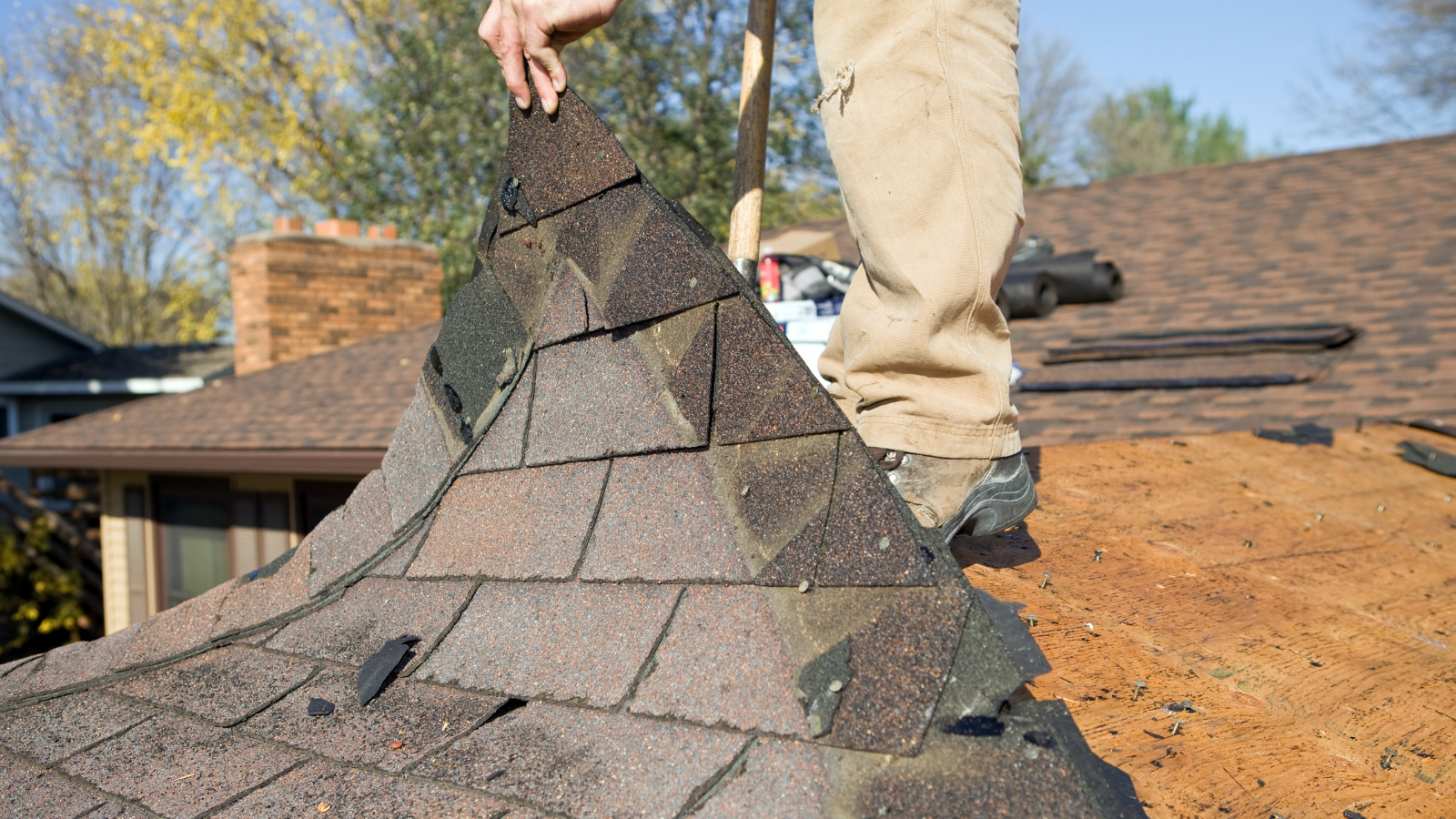
Although certain temporary storm roof repair techniques can safely protect minor damage, some situations require immediate professional assistance.
Attempting to repair severe storm damage yourself can place both your safety and your home at risk.
You should stop all DIY repair attempts and contact a licensed roofing contractor immediately if you notice:
- Sections of the roof sagging or appearing uneven
- Large areas where shingles have completely blown away
- Visible structural damage inside the attic
- Damage around skylights, chimneys, or roof valleys
- Trees or heavy branches resting on the roof
- Rapid water intrusion during ongoing rainfall
- Signs that the roof deck has become soft or unstable
These situations often involve structural concerns that temporary homeowner repairs simply cannot address safely.
Protect your family by staying off the roof and limiting additional interior damage until professionals arrive.
Why Professional Emergency Roof Services Matter
Following a widespread storm, many homeowners focus solely on getting someone to repair the leak as quickly as possible.
While speed certainly matters, experience matters even more.
Professional roofing contractors understand how storm damage affects every layer of the roofing system—not just the shingles you can see from the ground.
During an emergency visit, experienced roofers evaluate:
- Roof decking condition
- Underlayment damage
- Flashing performance
- Ventilation components
- Structural framing
- Moisture intrusion pathways
This comprehensive assessment ensures hidden damage doesn’t go unnoticed.
At RC Roofing, our emergency response process focuses first on protecting your home. If permanent repairs cannot begin immediately, we install professional temporary protection designed to withstand Missouri’s unpredictable weather until restoration work can safely move forward.
Our goal isn’t simply to stop today’s leak—it’s to prevent tomorrow’s problems as well.
A properly installed temporary storm roof repair provides homeowners with peace of mind while allowing time for insurance inspections, material ordering, and permanent repairs to be completed correctly.
Documenting Storm Damage for Insurance Claims
After a severe storm, your first priority should always be protecting your home and your family. Once you’ve taken steps to minimize additional damage with a temporary storm roof repair, your next priority is documenting everything for your insurance claim.
Many homeowners don’t realize that thorough documentation can make a significant difference during the claims process. Insurance adjusters rely heavily on visual evidence to determine the extent of storm damage, and having clear records from the very beginning helps support your claim.
Before moving damaged belongings or making any temporary repairs, take clear photographs and videos of every affected area. Capture images of:
- Missing or damaged shingles
- Bent or detached flashing
- Damaged gutters, fascia, or soffits
- Water stains on ceilings and walls
- Wet insulation inside the attic
- Standing water or active leaks
- Any damaged personal belongings
If possible, enable the date and time stamp on your phone or camera. This creates a timeline showing that the damage occurred immediately following the storm.
Keep every receipt related to emergency materials such as tarps, roofing tape, buckets, or professional emergency tarping services. Depending on your insurance policy, many of these reasonable emergency expenses may be reimbursable.
Most importantly, avoid throwing away damaged roofing materials until your insurance company or roofing contractor has documented them. Those materials often serve as valuable evidence during the inspection process.
How RC Roofing Helps Homeowners After Storm Damage
When storms strike communities throughout Washington, Wildwood, Frontenac, Chesterfield, Town & Country, Eureka, Augusta, Union, Pacific, and the surrounding Missouri area, homeowners need more than a quick repair—they need a roofing partner they can trust.
At RC Roofing, we understand that storm damage creates uncertainty. That’s why our team focuses on providing prompt service, honest communication, and quality workmanship from the very first phone call.
Our storm restoration process begins with a comprehensive roof inspection. Rather than focusing only on the obvious damage, we carefully evaluate every layer of your roofing system, including the shingles, flashing, underlayment, roof decking, ventilation components, and surrounding structures.
If permanent repairs cannot begin immediately, we’ll recommend the safest and most effective temporary storm roof repair solution to protect your home from additional weather exposure.
Our emergency services include:
- Professional roof inspections
- Emergency roof tarping
- Leak mitigation
- Storm damage documentation
- Insurance claim assistance
- Complete roof repair and replacement
Throughout the process, we believe homeowners deserve straightforward answers—not pressure or unnecessary upselling.
We’ll explain exactly what storm damage we found, discuss your repair options, provide transparent pricing, and help you understand what to expect every step of the way.
Our goal is simple: restore your roof correctly while making the experience as stress-free as possible.
What to Expect After a Storm
Many homeowners wonder how long roof repairs typically take after severe weather. While every situation is different, understanding the general timeline can help reduce uncertainty.
Day One
Immediately after the storm, focus on safety. Avoid climbing onto the roof, especially if surfaces are wet or structural damage is suspected.
Protect the interior of your home by placing buckets beneath leaks, moving valuables away from water intrusion, and documenting all visible damage. If necessary, schedule professional temporary storm roof repair services to prevent additional water damage.
Days Two Through Three
Contact a trusted roofing contractor as soon as possible.
Following major storms, roofing companies often receive a large number of service requests. Scheduling an inspection early helps secure your place in the repair schedule while preventing further deterioration.
Your contractor will inspect the roof, identify both visible and hidden storm damage, and discuss recommended repair options.
Week One
If you’re filing an insurance claim, your adjuster will typically inspect the property during this period.
Your roofing contractor can often meet with the adjuster, answer technical questions, and ensure all storm-related damage is properly documented.
Temporary protective measures remain in place until repair work begins.
Weeks Two Through Four
Once materials are ordered and insurance approvals are complete, permanent repairs or roof replacement can begin.
The exact timeline depends on the severity of the damage, weather conditions, material availability, and contractor scheduling.
Fortunately, a professionally installed temporary storm roof repair provides reliable protection while these steps move forward.
Final Thoughts: Protect Your Home the Right Way
Storm damage can happen without warning, but how you respond afterward makes all the difference.
Acting quickly doesn’t mean attempting risky repairs or relying on unreliable DIY shortcuts. Instead, it means protecting your home with proven temporary solutions while arranging for professional repairs as soon as possible.
A properly installed temporary storm roof repair can significantly reduce additional water damage, protect your home’s structural components, and give you valuable time to coordinate insurance inspections and permanent restoration.
On the other hand, delaying repairs—or using ineffective materials like duct tape, cardboard, or lightweight plastic—often leads to more extensive and expensive damage.
If your home has been affected by severe weather in Washington, Wildwood, Frontenac, Chesterfield, Town & Country, Eureka, Augusta, Union, Pacific, or the surrounding Missouri communities, RC Roofing is ready to help.
Our experienced team provides prompt inspections, emergency tarping, honest assessments, insurance claim support, and high-quality roofing solutions designed to restore your home with confidence.
Don’t let a temporary roofing problem become a major structural issue. Contact RC Roofing today to schedule a professional inspection and discover why homeowners across the region trust us when storms strike.
Protect your home today—and let our experienced team help you restore your roof with the quality workmanship and dependable service you deserve.