Cracks and tracks, slips and gaps, your roof may look picture-perfect from the driveway while quietly hiding trouble several feet above. But if there are no missing shingles, no obvious leaks, and no branches sticking through the roof, is there really anything to worry about? The surprising answer is yes. Some of the most expensive roofing problems begin with damage that is nearly impossible to see from ground level. A professional roof inspection Washington homeowners schedule can reveal lifted shingles, worn flashing, hail impacts, failing seals, moisture entry points, and other early warning signs before they turn into an emergency.
For homeowners throughout Washington, Wildwood, Frontenac, Town & Country, Chesterfield, Eureka, Augusta, Union, and Pacific, that matters. Missouri weather can change quickly, and your roof takes the full force of intense sun, wind, rain, hail, snow, ice, and dramatic temperature swings.
Why a Roof Can Look Perfectly Fine From the Ground
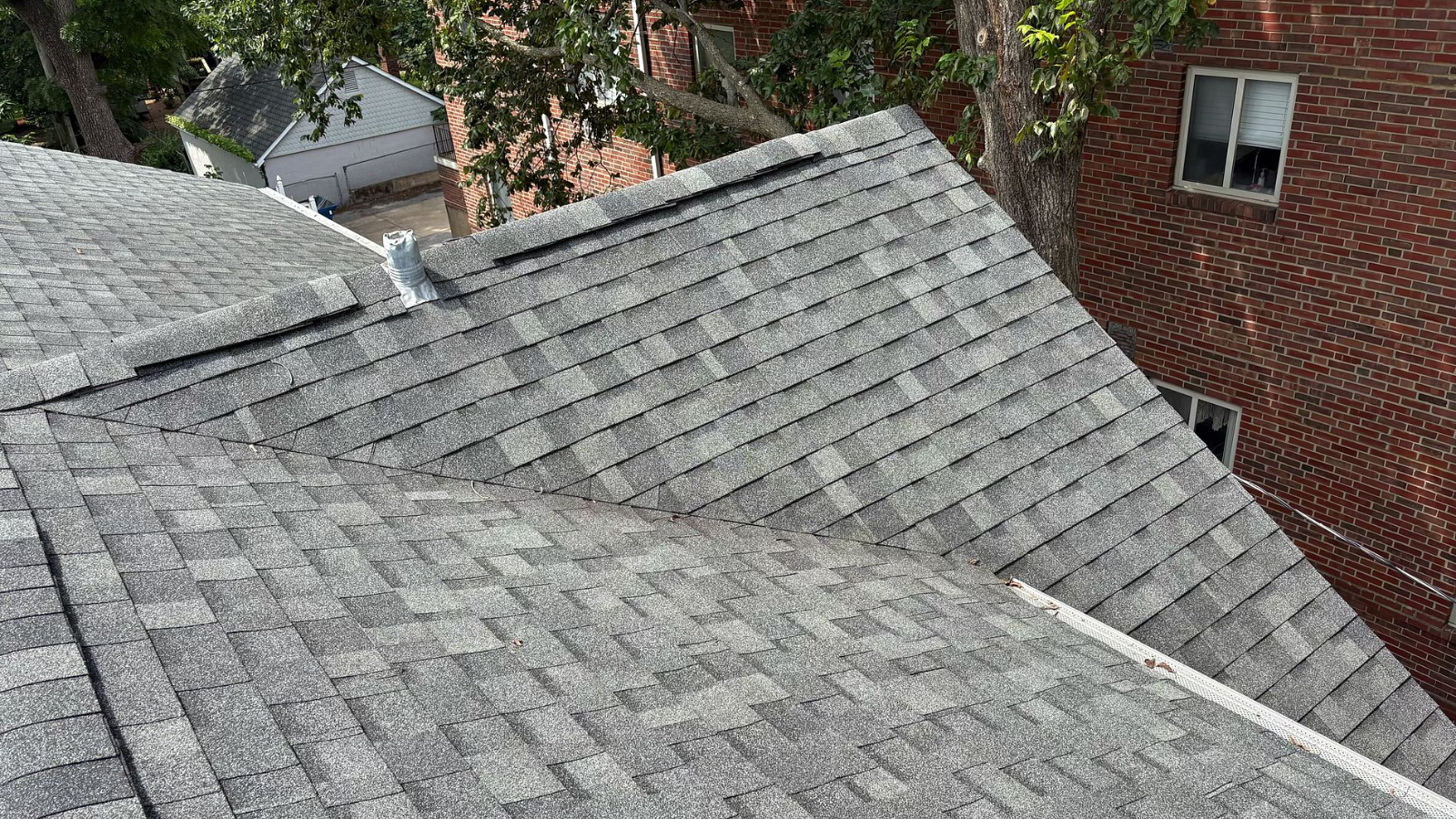
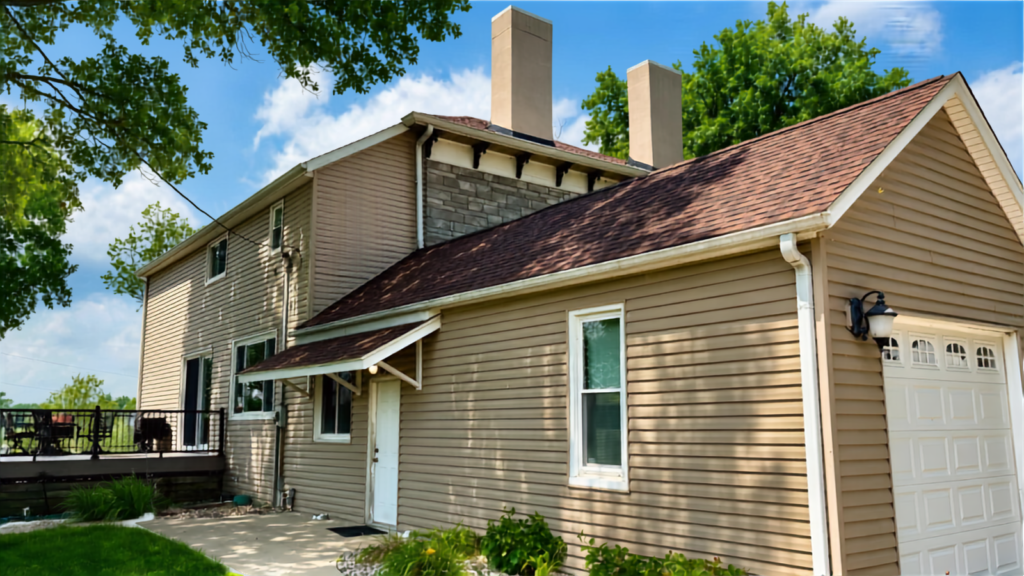
Stand 20 or 30 feet away from your house and look at the roof. Unless something is obviously wrong, most shingles will blend together into one continuous surface.
That makes subtle damage incredibly difficult to recognize.
A shingle may be lifted just enough for wind-driven rain to get underneath it. Flashing around a vent may have developed a tiny opening. A hailstone may have knocked protective granules from a shingle without creating a visible hole.
None of these problems necessarily changes the overall appearance of your roof.
That is one reason a roof inspection Washington homeowners rely on should involve more than a quick glance from the sidewalk. A close evaluation examines individual components and how the entire roofing system is performing.
What Does a Professional Roof Inspection Actually Look For?
A roof is not just a layer of shingles. It is a system of materials designed to work together.
Depending on the home and roof design, a professional inspection may evaluate the condition of the shingles, flashing, valleys, ridge caps, vents, gutters, penetrations, sealants, drainage areas, roof decking, and accessible attic components.
The goal is not simply to find something wrong.
A good inspection answers three much more useful questions:
What condition is the roof in today?
Are there problems that should be addressed soon?
What can be done now to prevent more expensive damage later?
That is what makes a professional roof inspection Washington homeowners schedule valuable even when there is no active leak.
1. Lifted Shingles That Have Not Blown Off Yet
Most homeowners recognize a missing shingle.
A lifted shingle is harder to notice.
Strong Missouri winds can weaken the seal holding a shingle in place without completely removing it. From the ground, that shingle may appear normal. Up close, however, a roofer may see that the seal has broken or that the edge is beginning to lift.
Why does that matter?
Once a shingle is compromised, future wind can lift it further. Wind-driven rain may also reach areas that should remain protected.
This type of early damage is exactly what an inspection is designed to catch.
Fixing a localized issue while the surrounding roof remains healthy can be far easier than dealing with widespread water damage later.
2. Hail Damage You Cannot See From the Driveway
Missouri homeowners are no strangers to hail.
The tricky part is that hail damage does not always look dramatic.
After a storm, your roof may still have every shingle in place. Yet a close inspection could reveal bruising, impact marks, exposed asphalt, or concentrated granule loss.
These areas matter because granules help protect asphalt shingles from ultraviolet exposure and weathering. Once that protective surface is damaged, the affected shingles may deteriorate faster.
A post-storm roof inspection Washington property owners arrange can help determine whether a seemingly normal roof actually sustained damage.
You should not climb onto the roof to search for hail marks yourself. Wet, steep, or damaged roofing surfaces can be dangerous, and identifying legitimate hail damage requires experience.
3. Granule Loss That Signals Aging or Damage
Have you ever noticed gritty, sand-like material collecting in your gutters?
Those particles may be shingle granules.
Some granule shedding is normal, particularly with newer asphalt shingles. However, excessive or uneven granule loss can indicate aging, storm impact, or surface deterioration.
From the yard, you may not notice anything unusual.
Up close, a contractor can compare different roof sections and identify areas where the protective surface is wearing faster than expected.
That can provide an important clue about your roof’s remaining condition and whether maintenance, repair, or closer monitoring is appropriate.
4. Flashing Problems Around Vulnerable Areas
Some of the most leak-prone areas of a roof are not the broad fields of shingles. They are the transitions.
Think about where your roof meets a chimney, wall, skylight, plumbing vent, or another penetration.
These areas depend heavily on flashing.
During a roof inspection Washington homeowners may learn that flashing has loosened, corroded, separated, or been poorly sealed during an earlier repair.
A very small flashing defect can create a surprisingly large interior problem because water repeatedly finds the same vulnerable opening.
Catching the issue before you see a ceiling stain is far preferable to discovering it after insulation and drywall have already become wet.
5. Nail Pops and Fastener Problems
Roofing fasteners are small, but they play a major role in keeping materials secure.
Over time, temperature changes and movement within the roofing system can cause certain fasteners to back out. These are often called nail pops.
A raised fastener may push against a shingle or create an opening where moisture can enter.
You are unlikely to see one from your lawn.
During an up-close inspection, however, these seemingly minor defects can stand out.
Addressing them early may help prevent moisture from reaching the roof decking underneath.
6. Cracks That Have Not Started Leaking Yet
A crack does not need to be large to matter.
Roofing materials experience years of expansion and contraction as Missouri temperatures change from hot summer afternoons to freezing winter conditions.
Eventually, aging shingles or sealants can develop small cracks.
The homeowner may have no interior leak yet, but the roof has already developed a vulnerable point.
That is why waiting for water to drip through the ceiling is not a good roof maintenance strategy. A proactive roof inspection Washington homeowners request can identify deterioration before water gets the opportunity to move deeper into the home.
7. Trouble in Roof Valleys
Roof valleys deserve special attention because they carry large volumes of water toward the gutters during rain.
When shingles, flashing, or installation details in these areas begin failing, water can become concentrated exactly where the roof is vulnerable.
A contractor may discover worn shingles, debris accumulation, installation concerns, or early moisture-related deterioration in a valley that appears completely normal from below.
Because of the amount of water valleys handle, small problems here can become significant quickly.
8. Pipe Boots and Roof Penetrations Beginning to Fail
Plumbing vents and other roof penetrations typically rely on boots, flashing, or seals to keep water outside.
Those components age too.
Rubber may crack. Sealant can deteriorate. Metal can corrode. Materials can pull away after repeated temperature changes.
A roof inspection Washington homeowners schedule can catch deterioration around these penetrations before it creates a recurring leak.
This is an excellent example of why inspecting the whole roofing system matters. Your shingles may still have years of useful life while one small accessory is already failing.
9. Gutter Clues That Reveal Roof Problems
Your gutters can tell a story about what is happening on your roof.
An inspector may find excessive shingle granules, damaged gutter sections, loose connections, debris blockages, or drainage problems.
Why does drainage matter to roofing?
Water needs a clear path away from your roof and foundation. When gutters are clogged or improperly draining, water can back up near roof edges or spill against exterior surfaces.
Regular gutter maintenance is therefore part of protecting the overall roofing system.
What an Up-Close Inspection Can Reveal
| What You See From the Ground | What an Inspection May Reveal Up Close | Why It Matters |
| Roof looks normal | Lifted or poorly sealed shingles | Wind and water may get underneath |
| No visible holes | Hail impacts and granule loss | Shingles may deteriorate prematurely |
| No ceiling leaks | Early flashing deterioration | Moisture entry may not be visible yet |
| Straight roofline | Localized soft or weakened areas | May indicate moisture or decking concerns |
| Clean-looking shingles | Small cracks or aging sealant | Creates future leak vulnerabilities |
| Gutters appear attached | Granule buildup or drainage problems | May indicate roof wear or water management issues |
| Vents look normal | Cracked boots or failed seals | Common source of localized leaks |
The difference between these two perspectives explains why professional inspections are so useful. What looks fine from 25 feet away can tell a very different story when examined closely.
10. Hidden Moisture Inside the Attic
Sometimes the most revealing part of an inspection is underneath the roof rather than on top of it.
When accessible and appropriate, attic conditions can provide clues about roof performance.
Potential warning signs include water staining, damp insulation, darkened decking, condensation, inadequate ventilation, or daylight appearing where it should not.
Moisture is especially important because water does not always drip directly beneath its entry point. It can travel along decking, rafters, or other building materials before becoming visible.
This means the stain on your ceiling may be several feet away from the actual roof problem.
A thorough roof inspection Washington homeowners trust considers these relationships instead of focusing exclusively on the exterior surface.
11. Ventilation Problems That Can Shorten Roof Life
A roof can have beautiful shingles and still be struggling because of what is happening underneath them.
Attic ventilation helps control excess heat and moisture. When airflow is inadequate, attic temperatures can climb during summer while moisture may accumulate during colder conditions.
Over time, poor ventilation can contribute to premature material deterioration and moisture-related concerns.
Signs of ventilation trouble may include excessive attic heat, condensation, uneven temperatures, or deterioration around roof components.
Correcting ventilation problems can help the roofing system perform more effectively and may improve overall home comfort.
12. Previous Repairs That Were Only Temporary
Not every repair lasts as long as the surrounding roof.
During an inspection, contractors sometimes discover old patches, excessive sealant, mismatched materials, or repairs that addressed a symptom without correcting the underlying source of the problem.
These areas deserve attention because they may become the first places to fail during the next severe storm.
If you recently purchased your home, you may not even know those repairs exist.
A roof inspection Washington homebuyers and homeowners schedule can provide a clearer picture of previous roofing work and areas that should be monitored.
Why Missouri Weather Makes Small Problems More Important
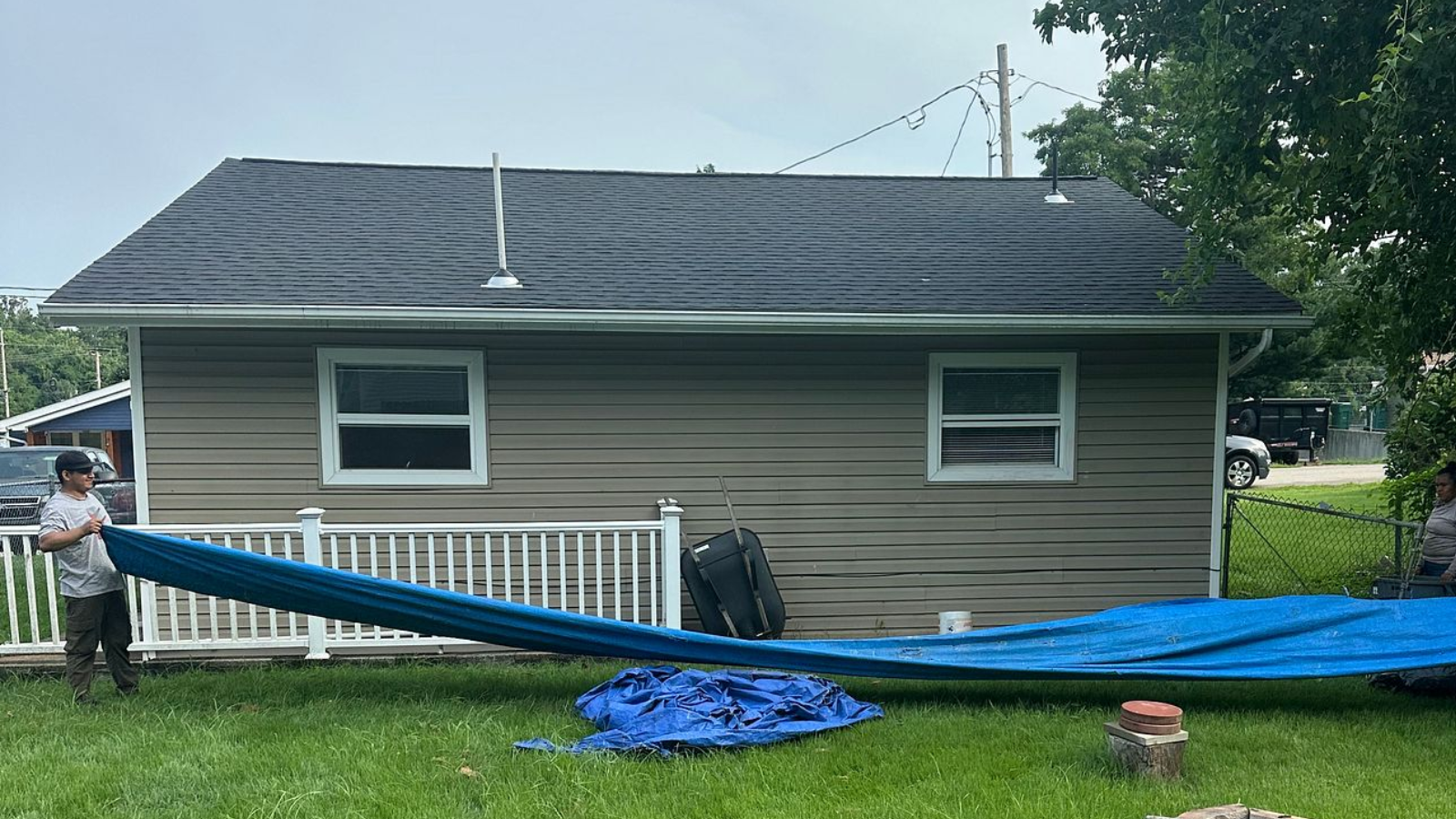
Homes in Washington, Wildwood, Frontenac, Town & Country, Chesterfield, Eureka, Augusta, Union, and Pacific experience demanding seasonal conditions.
Spring can bring severe thunderstorms and hail. Summer exposes roofs to heat and intense sunlight. Autumn winds can loosen already vulnerable materials. Winter introduces freezing temperatures, snow, and ice.
Then the cycle starts again.
Those repeated changes matter because roofing materials naturally expand, contract, age, and weather.
A tiny weakness that survives one season may become a larger problem during the next.
This is why preventive roof maintenance in Missouri is not simply about keeping a roof looking attractive. It is about catching deterioration before weather has another opportunity to exploit it.
When Should You Schedule a Roof Inspection?
There is no need to wait until your ceiling starts dripping.
Consider arranging an inspection when your roof has experienced a major hail or wind event, when you notice missing or damaged shingles, when interior stains appear, or when the roof is getting older and you are unsure of its condition.
Inspections can also make sense before buying or selling a home.
If you have recently experienced severe weather, a roof inspection Washington homeowners schedule promptly can establish the condition of the roof while the event is still recent.
Likewise, if your roof has not been professionally evaluated in years, an inspection can provide a useful baseline even if you have not noticed a problem.
Can You Inspect Your Own Roof?
Homeowners can perform basic observations safely from the ground.
You can look for missing shingles, fallen branches, damaged gutters, visible sagging, or debris. You can also check accessible interior areas for stains or moisture.
What you should not do is climb onto a steep, wet, icy, or potentially damaged roof.
Professional roofers have the training and equipment to evaluate roofing systems more safely and recognize subtle defects that may be difficult for an untrained eye to identify.
A professional inspection also provides something a DIY check cannot easily offer: context.
A homeowner might see a dark mark and assume the roof is failing. A contractor can determine whether it is cosmetic staining, normal aging, or a symptom that deserves attention.
Does Finding Damage Automatically Mean You Need a New Roof?
No.
This is one of the biggest concerns homeowners have when scheduling an inspection.
Finding damage does not automatically mean roof replacement.
Depending on the roof’s age, material, overall condition, and extent of damage, a contractor may recommend a localized repair, maintenance, monitoring, or eventual replacement.
For example, one damaged pipe boot on an otherwise healthy roof is very different from widespread shingle deterioration across multiple slopes.
A trustworthy roof inspection Washington homeowners receive should help answer what needs attention now, what can wait, and what may need to be budgeted for later.
That information gives you control over the decision rather than forcing you to react during an emergency.
Why Early Detection Can Save You Money
Roof problems rarely become cheaper when ignored.
Consider a small flashing opening. If caught early, the repair may remain localized.
If water repeatedly enters through that opening, however, the situation could eventually involve wet insulation, damaged decking, stained drywall, mold concerns, or interior repairs.
The same principle applies to lifted shingles, failed pipe boots, cracked sealants, and drainage problems.
Routine inspections are valuable because they shift roofing maintenance from reactive to proactive.
Instead of asking, “How much will this emergency cost?” you can ask, “What can we fix now to prevent an emergency?”
That is a much better position for any homeowner.
What Should a Good Roofing Contractor Explain After the Inspection?
An inspection should leave you with more clarity, not more confusion.
Your contractor should be able to explain what was found, show you areas of concern when possible, discuss the urgency of each issue, and recommend practical next steps.
If repairs are needed, you should understand why.
If the roof is in good condition, you should hear that too.
At RC Roofing, our goal is to help homeowners understand what is happening with their roofing system so they can make informed decisions without unnecessary pressure.
The Value of Local Roofing Experience
Local knowledge matters because roofs do not experience the same conditions everywhere.
A contractor familiar with Washington and surrounding Missouri communities understands the weather patterns local homes face and the types of roofing concerns that frequently follow severe storms, temperature swings, and years of seasonal exposure.
From properties surrounded by mature trees in Wildwood and Town & Country to homes throughout Chesterfield, Eureka, Augusta, Union, Pacific, Frontenac, and Washington, every property has its own combination of age, exposure, roof design, and maintenance history.
That is why a roof inspection Washington homeowners can rely on should never feel like a generic checklist. The evaluation should consider the actual home in front of the contractor.
What If Your Roof Really Is Fine?
Then that is useful information.
Not every inspection needs to uncover a major problem.
Knowing that your roof is performing properly gives you peace of mind and creates a baseline for future inspections. You can continue routine maintenance, watch for changes after severe weather, and plan ahead based on the roof’s approximate age and condition.
Homeowners often assume calling a roofing contractor means committing to repairs. It should not.
Sometimes the best outcome of an inspection is simply hearing, “Your roof looks good. Here’s what we recommend monitoring.”
That kind of transparency builds trust and helps homeowners plan instead of panic.
Protect Your Home Before the Problem Reaches the Ceiling
Your roof does not have to look damaged to need attention.
Lifted shingles, hail impacts, worn flashing, failing pipe boots, granule loss, ventilation concerns, drainage problems, and early moisture intrusion can all develop while the roof still looks perfectly normal from your driveway.
That is the biggest reason a professional roof inspection Washington homeowners schedule can be so valuable. It gives you a closer look at the areas you cannot safely or realistically evaluate from the ground.
For homeowners in Washington, Wildwood, Frontenac, Town & Country, Chesterfield, Eureka, Augusta, Union, and Pacific, staying ahead of roof problems is especially important when another round of Missouri weather is always somewhere on the horizon.
A roof that looks fine can still have a story to tell. The smartest time to hear it is before that story ends with water coming through your ceiling.