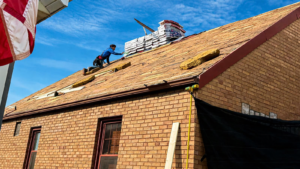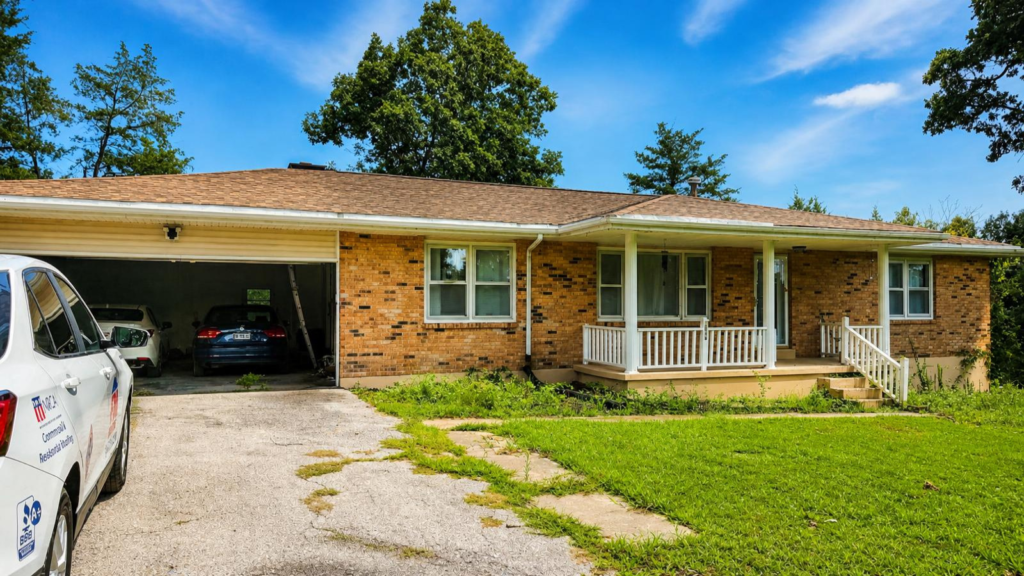
When the sky turns gray and the wind picks up speed, your roof is the first thing that has to succeed. So when the next storm rolls across Franklin County, do you actually know what shape the roof over your head is in?
Most of us don’t. We notice the roof when something obvious happens: a shingle in the yard, a stain on the bedroom ceiling, a drip in the garage. Until then, it’s just there, doing its job quietly. The trouble is that a roof can be a few weeks of bad weather away from a real problem and still look perfectly normal from the driveway.
That’s why a roof inspection Villa Ridge MO homeowners schedule before the weather turns is one of the smartest, least expensive things you can do for your house. At RC Roofing, we’re based right down the road in Washington, and we spend our days on roofs in and around Franklin County. This article walks through what we’d want every Villa Ridge homeowner to know: why this area’s weather matters, what an inspection actually finds, how it connects to insurance, and what to do right now, in the middle of October, while the weather is still on your side.
Why Villa Ridge Roofs Take a Beating
Villa Ridge sits in Franklin County, in the middle of a stretch of Missouri that sees its share of severe weather. According to National Weather Service alerts issued by the St. Louis forecast office, severe thunderstorm warnings covering this part of the county are not rare. One warning that named Villa Ridge among the impacted locations flagged 60 mph wind gusts and quarter-size hail. A more recent warning from June 2026 covering east central Franklin County, including nearby Pacific and Gray Summit, again pointed to 60 mph gusts and listed damage to roofs, siding, and trees as the expected impact.
Those aren’t tornado-level numbers, and that’s exactly the point. Most roof damage doesn’t come from a once-in-a-decade disaster. It comes from ordinary severe storms, the kind that roll through every spring and summer, lift a shingle edge here, bruise a few shingles there, and leave a roof just a little weaker than it was the year before.
Add Missouri’s temperature swings on top of that. Summer heat bakes shingles and dries out sealants. Winter freeze-thaw cycles pry at every small gap. Over a few years, that cycle wears down even a well-installed roof, which is why a roof inspection Villa Ridge MO residents can rely on isn’t about worrying. It’s about knowing where you stand before the weather decides for you.
The Damage You Can’t See From the Yard
Here’s the part that surprises most homeowners: roof damage often hides well. A Missouri roofing contractor writing in COMO Magazine noted that hail damage typically doesn’t show up right away. It becomes visible in the weeks or even months after the storm. The same article points out that hail damage can be tricky to identify from ground level, which is why a professional inspection is recommended after large hailstorms.
We see this constantly. A homeowner says, “We didn’t really get hit that hard.” Then we get up there and find bruised shingles, granules knocked loose, and creased wind-lifted edges that never made it into anyone’s memory of the storm. Nothing was leaking yet, but the roof’s protective layer had already been compromised.
Wind works the same way. A shingle doesn’t have to blow off to be damaged. If its adhesive seal breaks, it can sit loose and flutter for months, then tear free during the next storm. From the ground, that roof looks fine. Up close, it’s a failure waiting for a trigger.
What a Roof Inspection Actually Covers
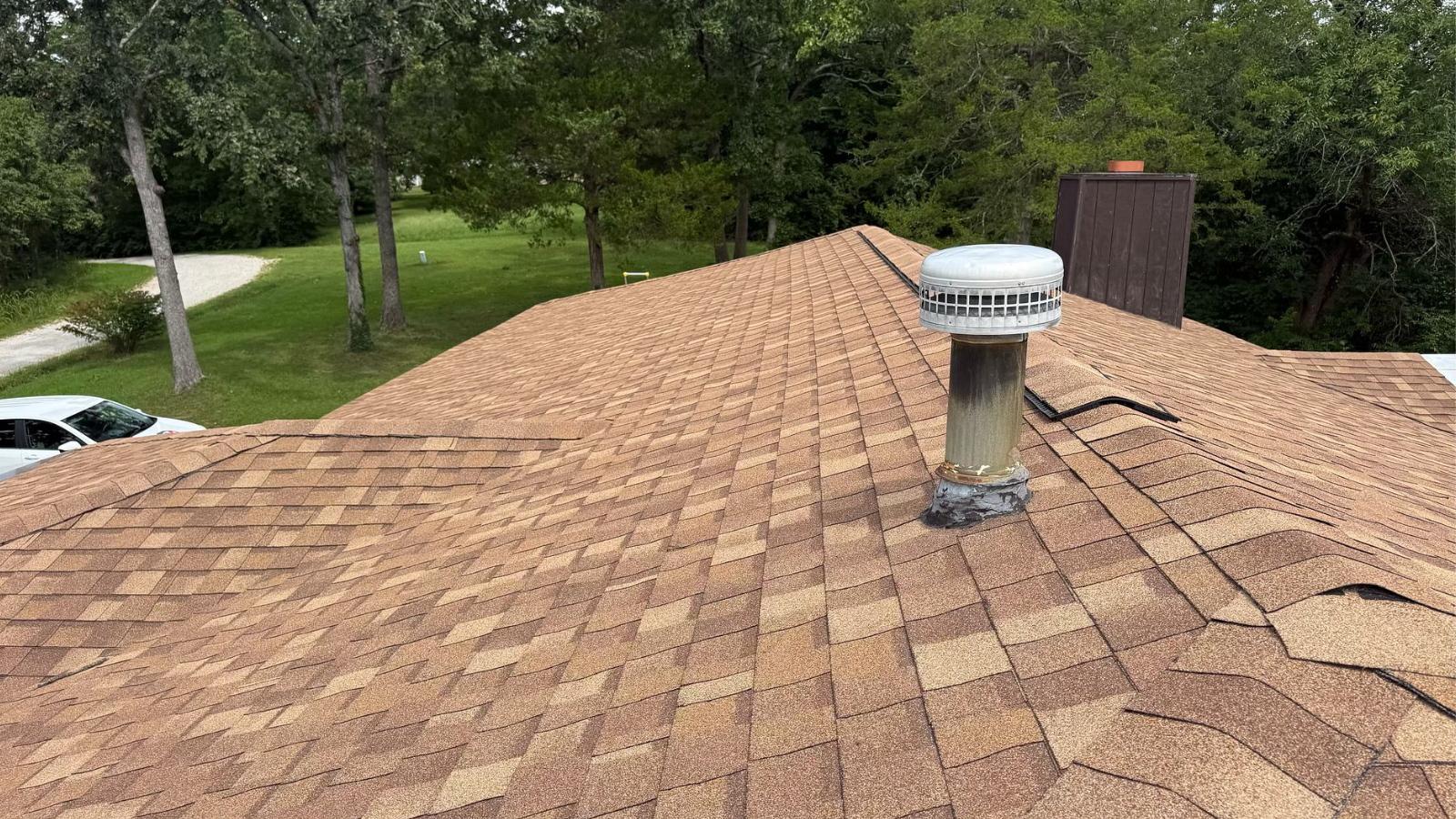
A real inspection isn’t a drive-by glance or a quick pass with binoculars. When we do a roof inspection Villa Ridge MO homeowners can trust, we’re working through the whole roofing system, one layer at a time.
Shingles and the roof surface. We look for cracking, curling, blistering, missing pieces, and granule loss. Granules are the gritty surface that protects the shingle underneath from sun and rain. When they start shedding, the roof is aging faster than it should.
Flashing and penetrations. The metal around chimneys, vents, skylights, and valleys is one of the most common places leaks begin. Seals loosen as the metal expands and contracts through the seasons, and you’d never notice from the ground.
Roof edges and drip edge. Perimeter areas take the most wind. We check the drip edge, fascia, and edge shingles for lifting, bending, or rot.
Gutters and drainage. Clogged or sagging gutters force water to back up under the roof edge. We trace the full drainage path, not just the gutter itself.
Attic and ventilation. A lot of roof trouble starts from the inside. Poor attic ventilation traps heat and moisture, which cooks shingles from underneath and can lead to mold. We check for damp insulation, stained decking, and daylight where there shouldn’t be any.
Decking and structure. Soft spots and sagging are signs of water that has already gotten in. Catching those early is often the difference between a patch and a partial replacement.
Every finding gets photographed, and you get a plain-language explanation of what matters now, what can wait, and what’s fine. A roof inspection Villa Ridge MO families can act on should leave you with clarity, not a vague checklist and a sales pitch.
Why October Is a Good Time to Do This
It’s the middle of October as we write this, and the timing matters for any roof inspection Villa Ridge MO homeowners are considering. The summer storm season is behind us, which means any hail or wind damage from this year has had time to show itself. Winter is ahead, which means water, ice, and freeze-thaw cycles are coming for every small gap in your roofing system. And spring storm season is only a few months out.
Inspecting now gives you a window. If we find a small repair, it’s easy to schedule before cold weather makes roofing work harder. If we find something bigger, you have time to plan, get your budget in order, and make a decision without a ceiling stain forcing your hand. A fall roof inspection Villa Ridge MO homeowners schedule on their own terms nearly always costs less than the emergency version they’d otherwise get in February.
The Insurance Side of the Story
Let’s talk about insurance, because it’s where a lot of homeowners feel unsure. Based on guidance from roofing professionals and insurance resources, the general sequence after a storm looks like this: document the damage, have the roof professionally inspected, then decide whether the damage warrants a claim. An inspection helps you understand whether you’re dealing with a covered storm claim or an out-of-pocket repair, and it gives you photos and notes to work from.
Timing is where policies differ. The COMO Magazine article says hail damage claims don’t necessarily have a hard deadline after a storm, while other roofing industry guidance warns that some policies include terms on how long you can wait. Both can be true, because every policy is different. Our recommendation is simple: read your own policy, or call your agent, and find out what your filing window is before you need it.
A documented history helps too. If a major storm causes damage and there’s no record of your roof’s prior condition, an insurer may have a harder time telling storm damage from long-term wear. A dated inspection report with photos gives you a baseline. That’s another reason a proactive roof inspection Villa Ridge MO homeowners keep on file can protect you when it counts.
One quick note: we’re roofers, not insurance advisors. We can tell you exactly what we see on your roof and document it carefully. What your policy covers is a conversation between you and your insurance company.
Warning Signs Worth Acting On Right Away
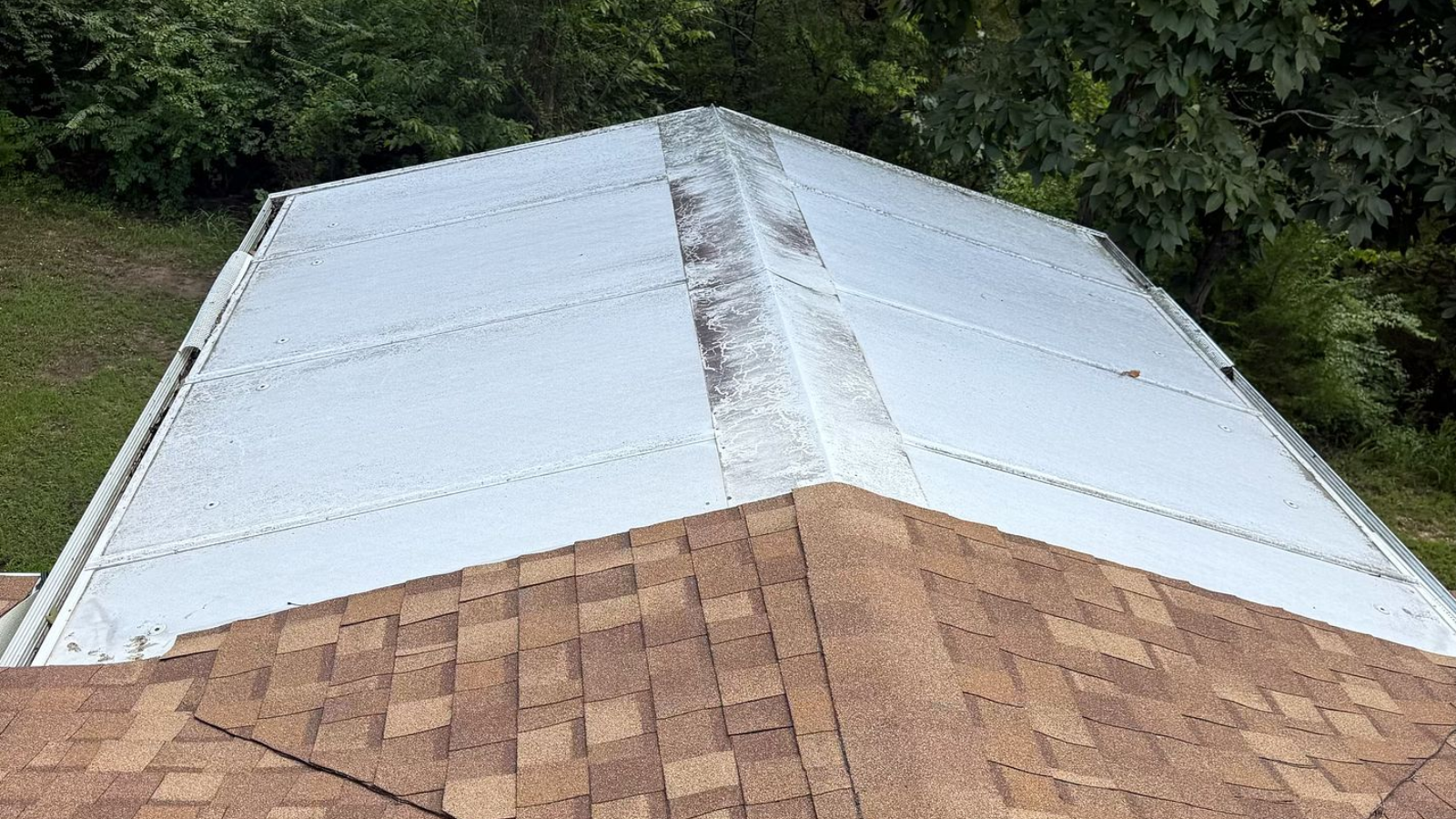
You don’t need to be on the roof to catch early warning signs that call for a roof inspection Villa Ridge MO homeowners shouldn’t put off. Keep an eye out for:
- Shingle granules collecting in gutters or at the base of downspouts
- Shingles that are curling, cracked, or missing
- Water stains on ceilings or upper walls, especially after rain
- Daylight visible through attic boards
- Dents or dings on gutters, siding, window screens, or the A/C unit, which the COMO Magazine article flags as a signal to check the roof
- Sagging along the roofline
- Energy bills that climb for no clear reason, which can point to ventilation or insulation trouble
If you notice any of these, don’t wait for the next scheduled check. A roof inspection Villa Ridge MO residents book promptly after spotting one of these signs usually turns up a repair that’s small, simple, and affordable.
A Word About Storm Chasers
After any big storm, out-of-town crews show up knocking on doors. Some are legitimate. Many aren’t. Roofing industry guidance consistently advises homeowners to choose a local, established contractor and to avoid anyone using high-pressure tactics.
Guidance from state insurance regulators after hailstorms adds a few practical protections worth remembering. Cover any openings in your roof so water can’t get in, and keep receipts for emergency expenses. Allow only your insurance adjuster and the roofer you’ve chosen onto your roof. Confirm that any roofer carries workers’ compensation and liability insurance. And don’t make a final payment until the work has been inspected and you’re satisfied.
Our recommendation: choose a roof inspection Villa Ridge MO neighbors would vouch for, from a company with a real local address, real references, and a track record you can verify. In a community like Villa Ridge, where neighbors talk and word travels, reputation matters, and it should.
Your Pre-Storm Checklist (No Ladder Required)
Before we or anyone else gets up there, here’s what you can do safely from the ground:
- Walk the perimeter. Look at the roofline from every side. Note anything that looks lifted, uneven, or missing.
- Check your gutters and downspouts. Clear debris and look for sagging, separation, or granules.
- Trim overhanging branches. Limbs scraping the roof or dropping debris cause damage and hold moisture on the surface.
- Look inside. Check ceilings, closets, and the attic for stains, musty smells, or damp insulation.
- Photograph everything. Dated photos of your roof and exterior now will be valuable if you ever need to compare “before” and “after.”
- Find your insurance policy. Know your deductible and your filing terms.
- Book a professional roof inspection Villa Ridge MO residents trust. None of the above replaces someone who knows exactly where to look.
Please skip the ladder. Roofs are slippery, steep, and unforgiving, and a fall is a much bigger problem than any shingle.
What Different Roofs in Villa Ridge Need
Every home has its own story. Older homes in and around Villa Ridge often have roofs that have been repaired, patched, or layered over a time or two. Those deserve a closer look at flashing, decking, and hidden moisture. Homes on larger lots with mature trees tend to collect debris and hold dampness in valleys and along edges, which wears roofs from the outside in. Newer builds may have a sound roof but still deserve a check after any significant storm, since installation shortcuts sometimes show up only after weather tests them.
A good roof inspection Villa Ridge MO homeowners depend on accounts for all of that: your roof’s age, materials, shape, tree cover, and storm history. Not every roof needs the same thing, and anyone who tells you otherwise isn’t really looking.
The Real Cost of Putting It Off
Here’s the math that usually gets people moving. A small flashing repair or a handful of replaced shingles is a modest bill. Left alone through another winter and spring storm season, that same issue can become rotted decking, soaked insulation, interior drywall damage, and potentially mold. What started as a minor repair turns into a major project.
The COMO Magazine article also makes a point worth repeating: addressing storm damage promptly can help extend a roof’s life, by as many as five to ten years according to that contractor. That claim comes from one roofer’s experience rather than a study, so treat it as a rule of thumb. But the logic holds. Small problems fixed early keep the rest of the roof working the way it should.
A roof inspection Villa Ridge MO homeowners schedule once a year, plus after any serious storm, is cheap insurance against the expensive kind of surprise.
Serving Villa Ridge and the Communities Around It
RC Roofing is proud to serve homeowners across Franklin County, including Villa Ridge, Washington, Pacific, Union, Eureka, and Augusta, as well as customers in Wildwood, Chesterfield, Frontenac, and Town & Country. We know the area, we know its weather, and we know the kinds of roofs that tend to show up here. When you call, you’re reaching a neighbor, not a call center.
When we do a roof inspection Villa Ridge MO families request, you can expect a few simple things from us: a thorough, hands-on look at the whole system; photo documentation; honest answers about what needs attention and what doesn’t; and no pressure. If your roof is in good shape, we’ll tell you so. If it needs work, we’ll explain the options and let you decide.
Don’t Wait for the Storm to Make the Call
The storm you’re worried about is already somewhere on the calendar. You can’t control when it arrives or how hard it hits. What you can control is whether your roof is ready for it.