
A brand-new roof, so clean and bright, yet a stain by the dormer shows up at night. So if you just paid for a full replacement and the leak is still there, what did the new roof actually fix?
It’s one of the most frustrating calls a roofer gets, and honestly, it’s one of the most frustrating things a homeowner can go through. You did everything right. You got quotes, you picked shingles, you wrote the check. Then the first hard rain comes through and the ceiling beside your dormer window gets a fresh brown ring.
Here’s the short answer: yes, a dormer can absolutely still leak after a roof replacement. And no, that doesn’t automatically mean the shingles are bad. At RC Roofing, we’re based in Washington and we work on homes around Villa Ridge and the rest of Franklin County, and we’ve been called out to plenty of “new roof, same leak” situations. The cause is almost never the big flat areas of shingles. It’s the small, fussy places where the roof meets the dormer. This article walks through why dormer roof leaks Villa Ridge MO homeowners deal with can outlast a replacement, how to tell what’s going on, and what a proper fix looks like.
Why Dormer Roof Leaks Villa Ridge MO Homes Face Start at the Flashing
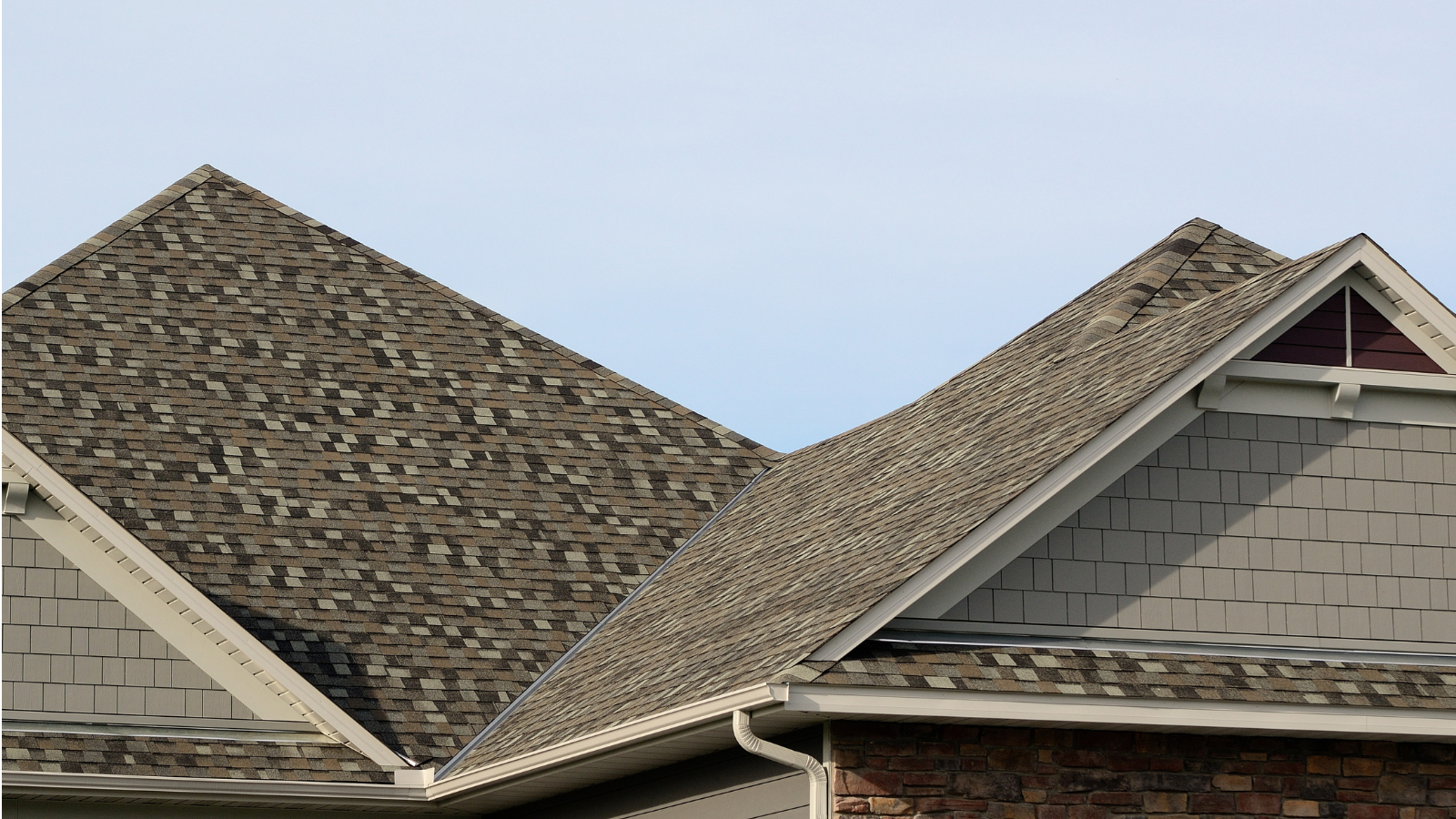
A dormer is basically a small house built on top of your roof. It has its own walls, its own window, its own little roof, and its own set of seams where all of those meet the main roof. Every one of those meeting points is a place water can sneak in.
According to Fine Homebuilding, roofs tend to leak at connections between the roof and a wall, rather than out in the open field of shingles. The same article notes that vertical-wall, outside-corner, and step flashings are applied in sequence around the perimeter of a dormer. In other words, a dormer isn’t one flashing job. It’s several different flashing details that all have to work together, and if any one of them is off, water finds it.
Think about the geometry. Water running down the main roof slope hits the side of the dormer wall. It has to be turned away and sent safely down onto the shingles below. Water running down the dormer’s own roof has to get past the point where it meets the main roof. Water running down the wall around the window has to go somewhere that isn’t inside. That’s a lot of jobs for a few pieces of bent metal, and it’s why dormer roof leaks Villa Ridge MO homes experience so often come from flashing and not from shingles.
Why a New Roof Doesn’t Always Fix It
So why would a leak survive a full replacement? A few reasons come up again and again.
The Old Flashing Got Reused
This is the big one. When a roof comes off, the old flashing is still there, and it’s tempting to leave it. It might look okay, and reusing it saves time.
Journal of Light Construction describes exactly this problem in its piece on common roofing errors. On one job, the roofer completely ignored the existing step flashing and just tucked the new shingles beneath it, leaving worn flashing in place. Old metal that’s bent, corroded, or too short doesn’t suddenly start working because there are new shingles next to it.
Step Flashing That Isn’t Really Step Flashing
Along the sides of a dormer, step flashing is installed in small pieces, one with each course of shingles, so water always runs over the next piece down. Fine Homebuilding says step flashing is installed alongside sidewalls where the end of the shingle courses meets a wall, and that size and thickness matter for meeting code and manufacturer requirements. It also warns that some dealers stock step flashing that doesn’t meet code.
When flashing is too small, too thin, or installed as one long piece instead of overlapping steps, it can look fine on the day the crew leaves and fail the first time wind pushes rain sideways.
Missing Kick-Out Flashing
Where the bottom edge of a dormer’s roof meets the main roof or an adjacent wall, a kick-out flashing turns running water away from the wall and out into the gutter. Fine Homebuilding says building codes require a kick-out where a roof eave ends at a taller wall, and notes that they “have been required by building codes for 15+ years yet are often overlooked.” Journal of Light Construction describes kick-outs at roof-wall intersections as critical for preventing leaks.
Without one, that water gets steered straight into the wall instead of away from it. It can run for years before you ever see a stain.
Caulk Used Instead of Flashing
If you’ve ever seen a bead of black goo around a dormer, you’ve seen the shortcut. Ask the Builder’s Tim Carter is blunt about it, writing that caulk is not an acceptable substitute for traditional metal roof flashings, and that even good caulk can fail when materials move against each other. He singles out vinyl siding, which expands and contracts enough to break the bond.
Journal of Light Construction makes a similar point about roof cement, saying it dries out, becomes brittle, and cracks, and that the gaps it leaves can act like funnels into the roof assembly. Sealant has its place for small fixes, such as sealing an overdriven nail. It shouldn’t be the thing keeping water out of a dormer.
The Siding Never Got Touched
Here’s a situation we see often in Villa Ridge. The roof gets replaced, but the dormer’s siding stays as it was. To flash the wall properly, the metal needs to tuck behind the siding and housewrap. When the siding stays put, the roofers sometimes cut corners and surface-mount the flashing instead.
That can work in some cases, and not in others. It’s one reason we look closely at the wall during any dormer repair. If you want to understand what should be behind that siding, our article on siding house wrap in Missouri explains it.
The Leak Was Never Coming From the Roof
This one’s humbling, but it’s true. Sometimes a dormer leak is the window itself, with failed seals, a cracked sill, or old trim that lets water in. A new roof can’t fix a window problem. If the stain keeps coming back after a clean replacement, the window and its surrounding trim deserve a look too.
What Dormer Roof Leaks Villa Ridge MO Homeowners Notice First
Part of what makes dormer problems so slippery is that the signs don’t always show up where the water gets in. Water follows framing, insulation, and sheathing before it ever drips onto drywall. A few clues worth watching for:
- Stains on the ceiling or wall near the dormer, especially after wind-driven rain
- Paint blistering or peeling around the dormer window
- Soft or discolored trim and sill
- Musty smells in the dormer room or the attic space behind it
- Dark streaks on the siding below the dormer
- Visible water marks on attic framing around the dormer base
- A leak that only appears with a certain wind direction, which often points to flashing
Based on what we see in the field, the “only leaks when the wind blows from the west” pattern is a classic flashing problem. If it only shows up in certain storms, the water is being pushed sideways into a joint that handles normal rain just fine.
A leak that stays hidden is the real danger. Fine Homebuilding points out that modern airtight, insulated houses can keep wet sheathing from drying, so small leaks at these junctions can rot framing before anyone sees a ceiling stain. By the time a spot shows up, the damage behind it may already be a lot bigger than the spot.
Why Local Weather Makes Dormer Roof Leaks Villa Ridge MO Residents Report Worse
Franklin County gets real storms. We get gusty spring thunderstorms, hot summers that bake roofing materials, and winters where freeze-thaw cycles pry at every seam. Wind-driven rain is exactly the kind of weather that finds weak dormer flashing. Rain that falls straight down is easy to manage. Rain that’s pushed sideways into the joint between a dormer wall and a roof slope is the real test.
That’s why dormer roof leaks Villa Ridge MO residents report often show up after one particular storm and not after a dozen others. The details matter more here than they would in a calmer climate.
How We Track Down Dormer Roof Leaks Villa Ridge MO Homes Develop
When someone calls about dormer roof leaks Villa Ridge MO homes still have after a replacement, we don’t start by guessing. Here’s the general process.
- Look at the history. When was the roof replaced? Was the dormer flashing replaced, or just shingled around? Did the siding come off? Where and when does it leak?
- Inspect from the inside first. We check the ceiling, the attic framing, and the underside of the sheathing around the dormer for stains, rot, and moisture.
- Inspect the exterior in detail. We look at every flashing: step flashing along the sides, the head flashing above the window, the apron at the base, the valleys, and any kick-out.
- Check the window and trim. Seals, sill, and caulk lines all get a look, because the roof isn’t always the culprit.
- Test where it makes sense. Controlled water testing, working from the bottom up, can isolate which section is leaking.
- Document everything. You get photos and a straight explanation of what we found and why.
If you’re wondering whether to start with a general inspection first, our guide to roof inspections in Villa Ridge covers what that involves.
What a Proper Dormer Fix Looks Like
The right repair depends on what’s failing, but a lasting dormer fix usually involves some version of the following:
- Removing shingles and old flashing around the dormer so the problem area is fully exposed
- Repairing any damaged sheathing or framing before anything goes back on
- Installing new, code-compliant step flashing in overlapping pieces, woven with each course of shingles
- Properly integrating the flashing with the wall, meaning it goes behind the siding and house wrap, not just on top of them
- Adding kick-out flashing where a roof edge meets a wall
- Flashing the valley and head where the dormer roof meets the main slope, and the top of the window if applicable
- Re-shingling and sealing correctly, using proper underlayment and, where appropriate, self-adhered membrane in vulnerable spots (we explain more in our article on roof underlayment in Missouri)

Ask the Builder describes the correct approach for sidewall flashing as metal that covers the top of the last course of shingles and then continues up the vertical face of the wall, with about four inches over the shingles and four inches up the wall. Treat that as one writer’s rule of thumb rather than a universal specification, since manufacturer instructions and local code requirements govern your specific roof. But the principle is solid: metal overlaps in the direction water flows, and caulk is a supplement, not a substitute.
Our Honest Recommendation
If you have a dormer, and especially if your roof replacement left it as-is or you’ve noticed a stain since, here’s what we’d suggest.
Before a replacement: Ask your contractor, in writing, what they plan to do about the dormer flashing. “We’ll replace it” is a better answer than “we’ll work around it.” Ask whether the siding around the dormer will be lifted to integrate the flashing properly, and whether kick-out flashing is part of the plan.
After a replacement: Check the dormer after the first couple of significant storms, especially wind-driven ones. Look at ceilings and attic framing near the dormer. If you notice a stain, don’t wait for it to grow.
If you already have dormer roof leaks Villa Ridge MO crews should have prevented: Document it with dated photos, call your roofer, and ask for the workmanship warranty on the original job. If a new roof leaks at a flashing the installer was responsible for, that’s the first conversation to have.
Building requirements and manufacturer instructions vary, so confirm what applies to your roof with your contractor and your local permitting authority.
Questions Worth Asking Any Roofer
You don’t have to be an expert to protect yourself. Ask:
- Will you replace the flashing around my dormer, or reuse what’s there?
- Will you install new step flashing and kick-out flashing?
- Will the siding be lifted so the flashing can tuck behind it?
- How do you seal the window and trim, and who handles those repairs?
- What’s your workmanship warranty, and does it cover flashing leaks?
- Can you send photos of the dormer flashing before it gets covered?
A good contractor answers these without hesitation. If you get “that’s just how we do it” or a shrug, take note. In a community like Villa Ridge, where word travels, you want somebody who stands behind the details.
Does Every Dormer Need This Much Attention?
Not necessarily. Preventing dormer roof leaks Villa Ridge MO owners dread doesn’t always take a big project. A dormer on a newer home with properly installed flashing, a solid window, and no history of leaks may just need periodic checks. But dormers are complicated enough that we recommend a close look whenever the roof is replaced, and again after any major storm. They’re the part of the roof where a small oversight turns into a recurring problem.
Think of it this way: the field of your roof is mostly a big, simple surface. The dormer is the opposite. It’s where every detail counts, which is exactly why it deserves more than a quick glance.
What It Costs to Fix It Right
We won’t throw out a number here, because every dormer is different, and anyone quoting a flat price without seeing it is guessing. Size, number of dormers, siding type, window condition, and hidden damage all change the work involved. What we can say about fixing dormer roof leaks Villa Ridge MO homeowners hate is that a focused flashing repair done early is usually far less expensive than dealing with rotted framing, ruined insulation, and interior damage later. The time to address a dormer leak is when you first notice it, not after the next three storms.
Working With RC Roofing
We’re a Washington, MO roofing company serving homeowners across Franklin County, including Villa Ridge, Pacific, Union, Eureka, and Augusta, plus Wildwood, Chesterfield, Frontenac, and Town & Country. If you’ve got a dormer that leaked before your roof was replaced, or one that’s leaking after, we’ll come take a look, find the real source, and explain what we find in plain language. No pressure, no guessing, and no black goo as a fix.
A Leak Is a Clue, Not a Verdict
If your new roof still has a leaking dormer, it doesn’t mean the whole job was wasted. It usually means one specific detail wasn’t done right, and that can be found and fixed. Dormer roof leaks Villa Ridge MO homeowners notice after a replacement are almost always solvable once someone looks in the right place.