When a hailstorm moves through Washington, MO or nearby communities like Wildwood, Frontenac, Town & Country, Chesterfield, Eureka, Augusta, Union, and Pacific, most homeowners follow the same routine: step outside, look up at the roof, and check for obvious signs of damage.
If shingles are still in place and there are no visible leaks, it’s easy to assume everything is fine.
But that assumption is where many costly roofing problems begin.
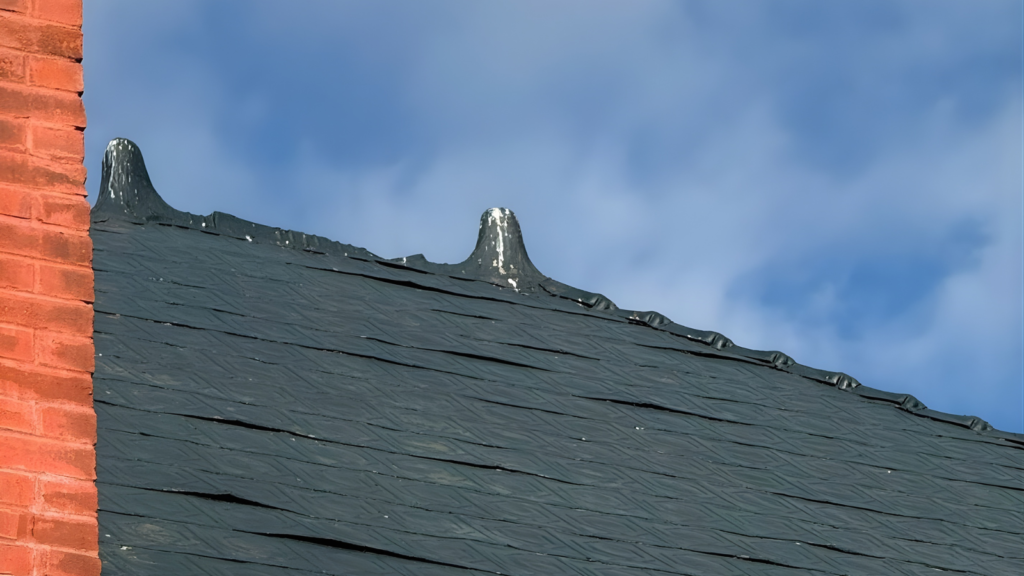
A roof can look completely normal while still suffering serious internal damage. A hidden hail damage roof situation is one of the most overlooked post-storm issues in the Midwest. What you see from the ground often hides what is actually happening underneath the surface.
Understanding this hidden damage is essential if you want to protect your home, avoid unexpected repair costs, and maintain long-term roof performance.
Why hail damage doesn’t always show up right away
Hailstorms don’t always destroy roofs in obvious ways. Unlike windstorms that rip shingles off or falling branches that cause visible punctures, hail damage is often subtle and internal.
A hidden hail damage roof develops when hail impacts:
- The protective granule surface of shingles
- The asphalt layer beneath the coating
- The fiberglass mat structure inside shingles
- Metal flashing and roof penetrations
From the ground, everything may appear normal. But inside the roofing system, damage may already be forming.
In areas like Chesterfield and Town & Country, we often see roofs that look untouched after storms but are already experiencing early-stage deterioration.
The illusion of a “fine-looking” roof
One of the biggest misconceptions homeowners have is that a roof that looks good is a roof that is good.
Unfortunately, roofing systems don’t always show damage visually.
A hidden hail damage roof can exist because:
- Damage occurs beneath the visible surface layer
- Asphalt shingles can absorb impact without breaking
- Granule loss is not immediately noticeable
- Leaks may take time to develop
It’s similar to a bruise under skin—just because you can’t see it immediately doesn’t mean it’s not there.
This is especially true in Missouri communities like Frontenac and Eureka, where storms can be intense but short-lived.
What actually happens to shingles during hail impact
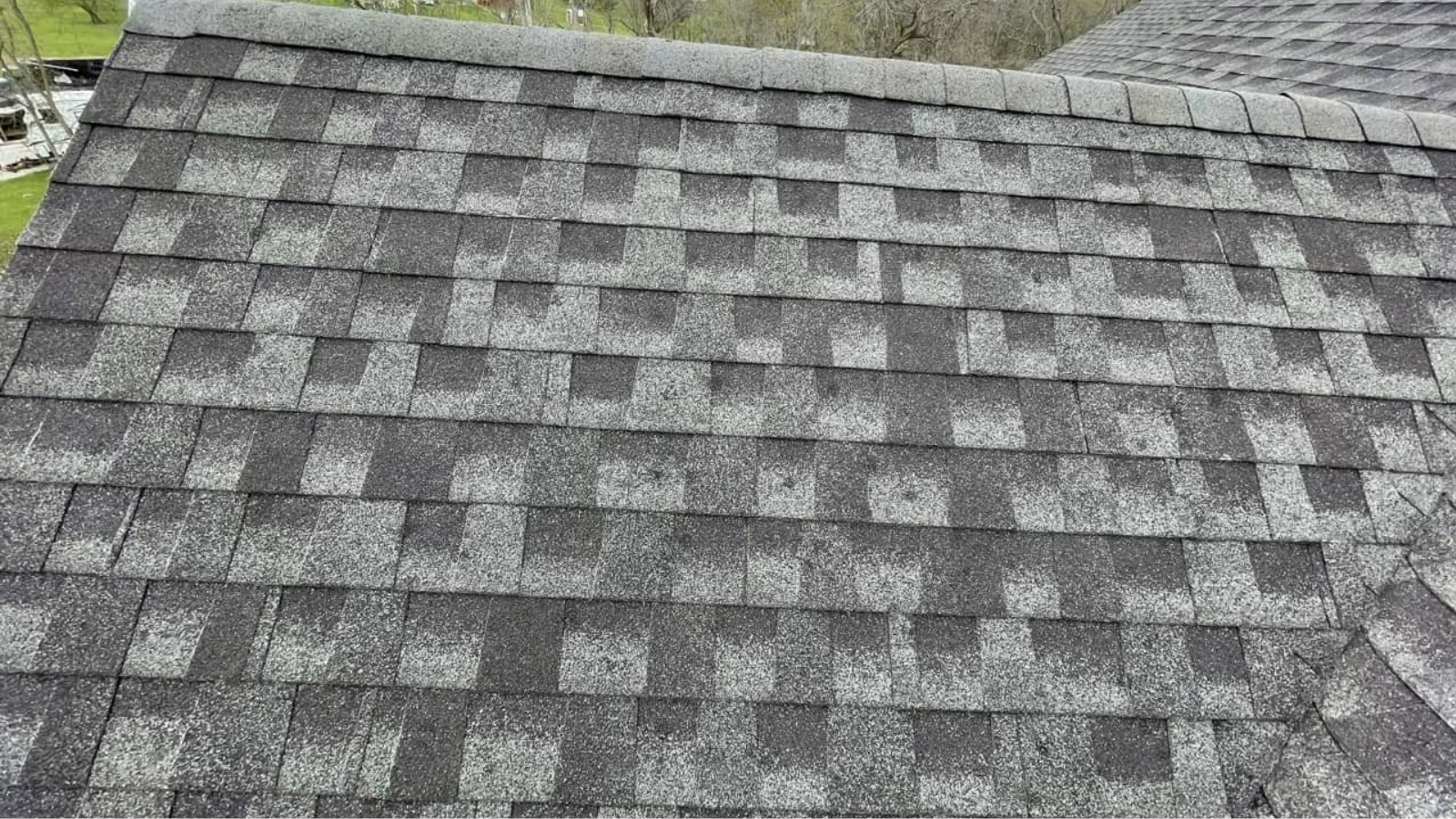
To understand how a hidden hail damage roof develops, it helps to break down what happens during impact.
When hail strikes a roof, several things occur at once:
- The outer granule layer absorbs the impact force
- The asphalt layer compresses under pressure
- The fiberglass mat may stretch or weaken internally
- Protective granules loosen and fall off over time
Even if the shingle looks intact, its internal structure may already be compromised.
Over time, sun exposure, rainfall, and temperature changes accelerate breakdown in those weakened areas. This is when small, invisible damage turns into larger roofing failures.
Why storm damage is often delayed in appearance
A key reason homeowners miss hail damage is timing.
A hidden hail damage roof doesn’t usually fail immediately. Instead, it progresses slowly due to:
- Temporary sealing of small impact points
- Delayed water penetration
- Gradual expansion of micro-cracks
- Slow deterioration of weakened materials
This creates a dangerous illusion that everything is fine.
In places like Washington, MO and Pacific, homeowners often don’t realize anything is wrong until the next heavy storm exposes the damage.
Early warning signs that often go unnoticed
Even though a hidden hail damage roof is difficult to detect, there are subtle indicators homeowners can watch for after storms:
Granules in gutters
Small, sand-like particles may indicate shingle surface loss.
Uneven roof shading
Patchy or darker areas can signal bruising beneath shingles.
Dented metal components
Flashing, vents, and gutters often show impact before shingles do.
Subtle roof aging changes
Some areas may deteriorate faster than others.
Indoor comfort shifts
Damaged roofing can reduce insulation efficiency.
These signs alone don’t confirm damage, but they often appear alongside a hidden hail damage roof condition.
Why ground inspections miss most hail damage
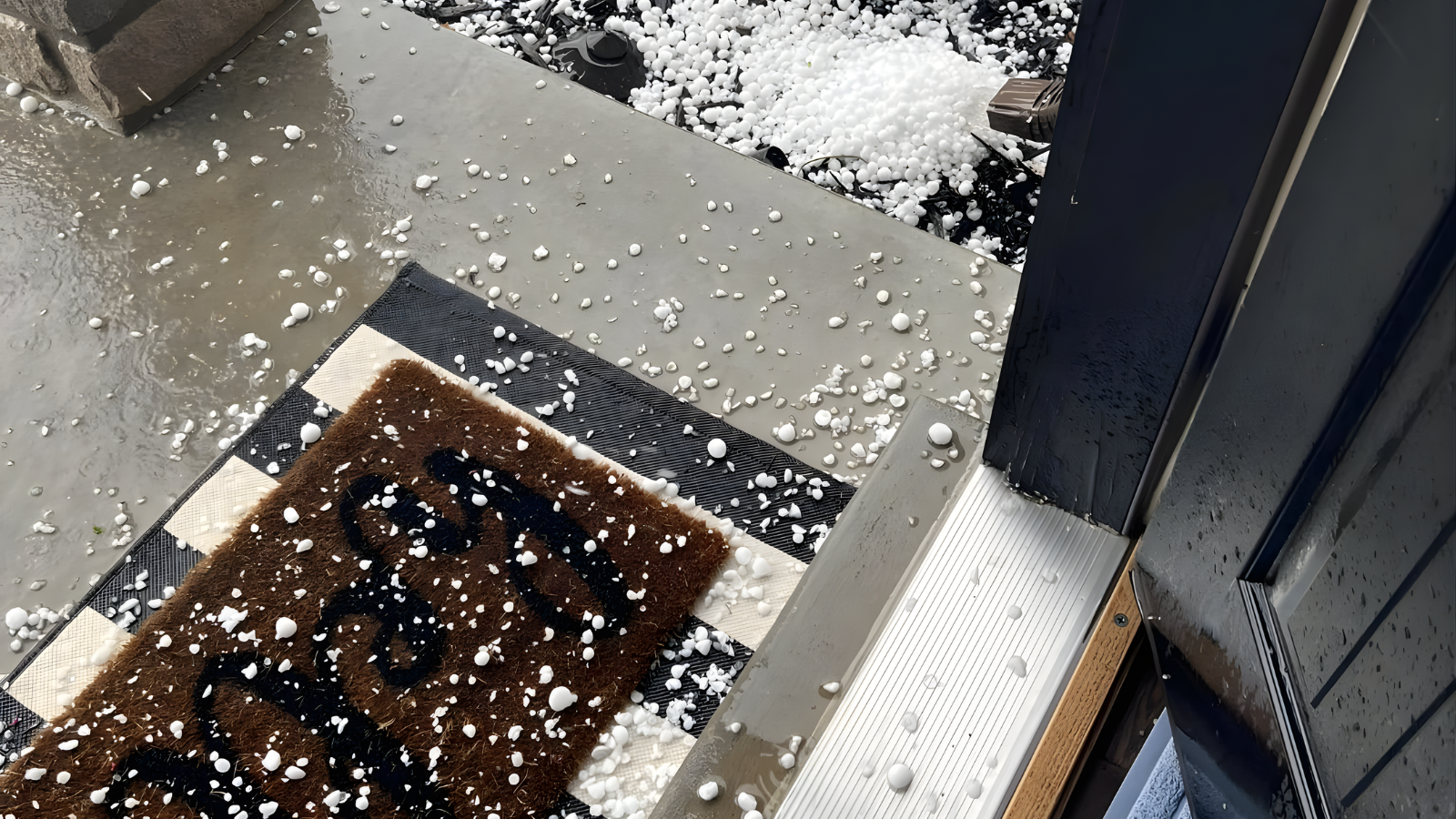
Many homeowners rely on a quick visual check from the yard or driveway. While this can catch obvious issues, it is not reliable for hail detection.
A hidden hail damage roof is often missed because:
- Roof slopes hide impact zones
- Damage is beneath multiple shingle layers
- Bruising cannot be seen from a distance
- Impacts are spread across large surface areas
Even experienced homeowners can easily miss these issues without close inspection.
This is why professional evaluations are so important after storms in areas like Union, Augusta, and Chesterfield.
The long-term consequences of ignoring hidden damage
The danger of a hidden hail damage roof is not immediate failure—it is gradual decline.
If left untreated, it can lead to:
Water intrusion
Small weak points allow moisture to enter slowly.
Mold growth
Moisture buildup inside insulation creates health risks.
Structural deterioration
Roof decking can soften or rot over time.
Higher repair costs
Minor repairs eventually become full roof replacements.
Insurance complications
Delayed reporting may impact claim eligibility.
What begins as invisible damage can evolve into serious structural problems if ignored.
Why Missouri homes are particularly vulnerable to hail
Homes in Washington, Wildwood, Frontenac, Town & Country, Chesterfield, Eureka, Augusta, Union, and Pacific experience frequent seasonal storms.
But the real challenge is unpredictability.
One neighborhood may show obvious roof damage while another nearby area experiences only a hidden hail damage roof situation with no visible signs.
This inconsistency makes post-storm awareness extremely important for homeowners across the region.
The role of professional roof inspections
A trained roofing professional can identify damage that homeowners simply cannot see.
At RC Roofing, inspections for hidden hail damage roof situations typically include:
- Close-range shingle evaluation
- Granule loss testing
- Impact pattern mapping
- Flashing and vent inspection
- Attic moisture and ventilation checks
These methods help reveal early-stage damage before it becomes expensive.
In many cases, homeowners are surprised to learn their roof was already affected even though it appeared perfectly fine.
How hidden hail damage affects roof lifespan
Every roof is designed with an expected lifespan, but hail damage can significantly shorten it.
A hidden hail damage roof can:
- Reduce shingle durability
- Accelerate UV breakdown
- Weaken waterproofing layers
- Increase vulnerability to future storms
This means a roof that should last 20–25 years may begin failing much earlier if hail damage goes undetected.
Insurance considerations homeowners should understand
Insurance policies typically cover hail damage, but timing and documentation matter.
A hidden hail damage roof that is not reported promptly can lead to:
- Claim delays
- Reduced compensation
- Disputes over storm timing
- Insufficient documentation
This is why immediate post-storm inspections are strongly recommended, even when no visible damage exists.
Proper inspection reports from a roofing contractor can also support claims and improve approval outcomes.
Preventing long-term roof problems
While hailstorms cannot be prevented, homeowners can reduce long-term risk by:
- Scheduling regular roof inspections
- Keeping gutters clean and functional
- Monitoring attic conditions
- Replacing aging shingles proactively
- Addressing minor issues quickly
These habits help reduce the chances of a hidden hail damage roof turning into a major repair situation.
How RC Roofing helps homeowners across Missouri
RC Roofing proudly serves homeowners throughout Washington, MO and surrounding areas including Wildwood, Frontenac, Town & Country, Chesterfield, Eureka, Augusta, Union, and Pacific.
Our focus is helping homeowners identify storm-related issues early—before they become expensive problems.
A hidden hail damage roof is one of the most common post-storm issues we see, and early detection is the key to preventing major repairs and unnecessary costs.
Final thoughts
A roof does not need to look damaged to be damaged.
That is the reality of a hidden hail damage roof situation. Beneath a surface that appears intact, there may already be weakened materials, compromised layers, and early-stage deterioration.
In storm-prone areas like Washington, MO and surrounding Missouri communities, relying on appearance alone is not enough.