Selling a home should feel exciting, rewarding, and profitable. Instead, many homeowners discover that a seemingly minor roofing issue can become a major obstacle during the sales process. Loose shingles, hidden leaks, aging materials, and structural concerns can quickly transform a promising offer into a stressful negotiation. Cracks and tracks, leaks and creaks, stains and pains—these warning signs can make buyers think twice before moving forward. Before you put your home on the market, have you considered whether your roof might contain issues that could scare away potential buyers?
For homeowners in Washington, Wildwood, Frontenac, Town & Country, Chesterfield, Eureka, Augusta, Union, and Pacific, understanding roof inspection red flags is essential when preparing a property for sale. Buyers are more informed than ever. They know that roofing problems can lead to expensive repairs, insurance challenges, and unexpected maintenance costs after closing. If an inspector identifies significant concerns, buyers may request repairs, negotiate lower prices, or walk away altogether.
At RC Roofing, we help homeowners identify and address roof inspection red flags before they become deal breakers. In this guide, we will explore the most common roofing issues inspectors look for, why buyers take them seriously, and how proactive maintenance can help protect your home’s value and marketability.
Why Roofing Issues Matter During a Home Sale
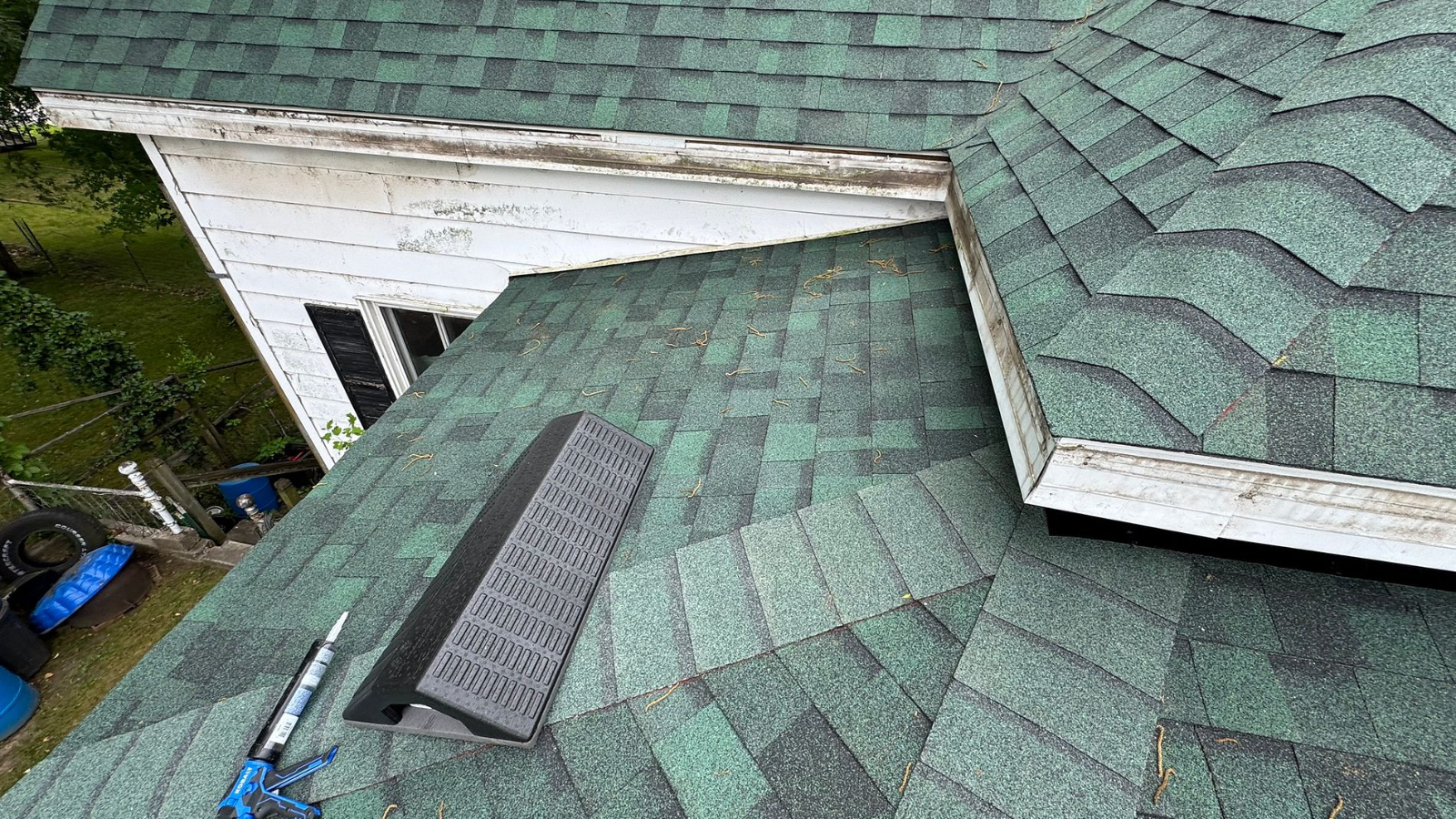
The roof is one of the most important systems in any home. It protects the structure from rain, wind, hail, moisture intrusion, and temperature extremes. Because roof replacement can represent one of the largest home improvement expenses, buyers pay close attention to the condition of the roof.
During the inspection process, roofing concerns often become a major focus. Buyers want reassurance that they will not inherit costly repairs shortly after purchasing the home. Even minor roof inspection red flags can create uncertainty about the property’s overall condition.
A roof that appears attractive from the ground may still contain hidden issues that inspectors uncover. Understanding what inspectors look for can help sellers prepare effectively and avoid surprises.
Missing or Damaged Shingles
One of the most common roof inspection red flags is damaged or missing shingles.
Shingles serve as the roof’s primary protective layer. When shingles are cracked, curled, blistered, lifted, or missing entirely, moisture can penetrate beneath the roofing system and cause damage to the underlying structure.
Inspectors often note:
- Missing shingles
- Curling edges
- Cracked surfaces
- Granule loss
- Wind damage
- Uneven roof appearance
Buyers frequently interpret damaged shingles as evidence of neglected maintenance. Even if the problem is relatively minor, visible deterioration can raise concerns about additional hidden issues.
Replacing damaged shingles before listing can improve curb appeal and increase buyer confidence.
Roof Leaks and Water Stains
Few issues concern buyers more than water intrusion.
Roof leaks are among the most serious roof inspection red flags because they often indicate underlying structural problems. Water can travel through roofing materials, attic spaces, insulation, and walls before becoming visible inside the home.
Inspectors commonly identify:
- Ceiling stains
- Water-damaged drywall
- Wet attic insulation
- Mold growth
- Peeling paint
- Soft or sagging materials
Even a small leak can create doubts about the home’s overall condition. Buyers may worry about future repair expenses and hidden damage that has not yet been discovered.
Addressing leaks before listing helps eliminate uncertainty and demonstrates responsible homeownership.
Aging Roofing Materials
Roof age significantly influences buyer confidence.
Older roofing systems often become roof inspection red flags because buyers understand that every roof has a limited lifespan. Asphalt shingles typically last between 20 and 30 years depending on installation quality, weather exposure, and maintenance practices.
Inspectors often document:
- Weathered shingles
- Surface deterioration
- Excessive granule loss
- Reduced lifespan expectations
- Signs of aging around flashing and penetrations
When buyers learn a roof may need replacement in the near future, they often request credits or price reductions.
A professional roof assessment can help determine remaining lifespan and identify opportunities to improve marketability before listing.
Sagging Roof Areas
A sagging roof is one of the most alarming roof inspection red flags an inspector can uncover.
Sagging may indicate:
- Structural deterioration
- Rotting roof decking
- Damaged rafters
- Long-term water damage
- Excessive weight loads
Even minor dips or uneven sections can attract attention during inspections. Buyers often associate sagging roofs with significant repair costs and structural concerns.
If homeowners notice any irregularities in the roofline, professional evaluation should occur immediately.
Flashing Problems Around Roof Penetrations
Flashing is designed to prevent water from entering vulnerable areas where roofing materials meet walls, chimneys, skylights, and vents.
Improper flashing installation remains one of the most overlooked roof inspection red flags.
Inspectors frequently identify:
- Cracked flashing
- Rusted metal components
- Missing flashing sections
- Improper installation
- Failed sealants
Faulty flashing can allow water intrusion that remains hidden for years before becoming noticeable.
Professional flashing repairs often provide a relatively affordable way to improve roof performance and inspection results.
Poor Attic Ventilation
Many homeowners underestimate the importance of attic ventilation.
However, inadequate airflow is often listed among roof inspection red flags because it directly affects roof longevity and indoor comfort.
Poor ventilation can contribute to:
- Moisture accumulation
- Mold growth
- Excessive attic temperatures
- Premature shingle aging
- Higher energy bills
Inspectors frequently evaluate attic conditions when assessing roofing systems.
Addressing ventilation concerns before listing demonstrates proper maintenance and may improve buyer confidence.
Mold and Mildew Growth
Mold growth is another issue that quickly raises concerns during home inspections.
Because mold may indicate long-term moisture problems, it frequently appears among roof inspection red flags.
Roof-related mold issues often stem from:
- Persistent leaks
- Inadequate ventilation
- Trapped attic moisture
- Poor insulation performance
Buyers may worry not only about repair costs but also potential health concerns associated with mold exposure.
Identifying and correcting moisture sources before listing can help prevent inspection complications.
Damaged Roof Valleys
Roof valleys handle significant water runoff during storms.
When valleys deteriorate, they become critical roof inspection red flags because water can easily penetrate vulnerable areas.
Common valley concerns include:
- Missing shingles
- Cracked materials
- Improper installation
- Debris accumulation
- Water infiltration
Because valleys direct substantial water flow, even minor defects can lead to major problems if ignored.
Routine inspections help identify valley damage before it becomes severe.
Exposed Fasteners and Nail Pops
Exposed nails may appear insignificant, but inspectors often classify them as roof inspection red flags.
Over time, exposed fasteners can create pathways for moisture intrusion. Nail pops may indicate movement within roofing materials or installation deficiencies.
Potential concerns include:
- Water penetration
- Rust formation
- Shingle displacement
- Accelerated wear
Although repairs are usually straightforward, addressing these small defects before listing helps create a better impression during inspections.
Roof Decking Deterioration
Roof decking forms the structural foundation beneath roofing materials.
When inspectors discover compromised decking, it becomes one of the most significant roof inspection red flags.
Causes often include:
- Long-term leaks
- Rot
- Moisture damage
- Pest activity
- Structural stress
Damaged decking may require extensive repairs beyond replacing shingles alone.
Because buyers understand the potential cost involved, decking problems often influence negotiations.
Storm Damage
Missouri homeowners regularly experience severe weather that can affect roofing systems.
Storm-related roof inspection red flags commonly include:
- Hail impacts
- Wind damage
- Missing shingles
- Lifted roofing materials
- Damaged flashing
Some storm damage may not be visible from the ground. However, inspectors are trained to identify subtle signs of impact.
Providing documentation of professional repairs can help reassure buyers that storm damage has been properly addressed.
Moss and Algae Growth
Moss and algae may initially appear cosmetic, but they can become roof inspection red flags when they indicate excessive moisture retention.
Potential concerns include:
- Accelerated shingle deterioration
- Trapped moisture
- Reduced roof lifespan
- Poor curb appeal
Buyers often interpret visible moss growth as a sign of neglect or inadequate maintenance.
Professional cleaning and preventative treatments can improve both appearance and performance.
Multiple Roofing Layers
Some older homes have multiple layers of roofing installed over existing materials.
Although once common, layered roofing systems frequently become roof inspection red flags during modern inspections.
Potential concerns include:
- Hidden damage
- Increased structural weight
- Reduced lifespan
- More expensive future replacement costs
Buyers may hesitate when inspectors cannot fully evaluate underlying roof conditions.
Chimney-Related Roofing Problems
Chimneys are common sources of roofing issues.
Inspectors frequently identify roof inspection red flags near chimneys, including:
- Cracked flashing
- Missing mortar
- Water stains
- Deteriorated sealants
Because chimneys penetrate the roof system, they require regular maintenance to remain watertight.
Addressing chimney-related concerns before listing can help prevent buyer objections.
Gutter and Drainage Issues
A roof’s performance depends heavily on proper drainage.
Inspectors often identify drainage-related roof inspection red flags such as:
- Clogged gutters
- Detached gutters
- Improper slope
- Overflow damage
- Fascia deterioration
Water that does not drain properly can damage both roofing and foundation systems.
Well-maintained gutters demonstrate proactive homeownership and help create a positive impression.
Evidence of DIY Repairs
Many buyers become cautious when inspectors discover amateur roofing repairs.
Poor workmanship often creates roof inspection red flags because buyers question the quality of previous maintenance.
Examples include:
- Uneven shingle placement
- Excessive roofing cement
- Improper flashing work
- Visible patch repairs
Professional repairs generally provide greater reassurance during the sales process.
Animal and Pest Damage
Wildlife activity can create roofing issues that remain hidden until inspections occur.
Common pest-related roof inspection red flags include:
- Damaged soffits
- Chewed roofing materials
- Nesting activity
- Vent damage
- Entry points into attic spaces
These issues may indicate additional hidden damage requiring repair.
Early intervention can help prevent more extensive problems.
Why Buyers Walk Away From Roofing Problems
Most buyers understand that roofing issues can quickly become expensive.
When inspectors identify multiple roof inspection red flags, buyers often anticipate:
- Roof replacement expenses
- Water damage repairs
- Mold remediation
- Insurance concerns
- Structural repairs
Even buyers who remain interested may request substantial price reductions.
Reducing roofing concerns before listing often leads to stronger offers and smoother negotiations.
The Benefits of a Pre-Listing Roof Inspection

One of the best ways to avoid surprises is scheduling a professional roof inspection before listing a property.
A pre-listing inspection helps uncover roof inspection red flags before potential buyers discover them.
Benefits include:
- Increased buyer confidence
- More accurate pricing
- Faster transactions
- Fewer negotiation challenges
- Improved property presentation
Addressing concerns proactively allows homeowners to maintain greater control throughout the sales process.
How RC Roofing Helps Missouri Homeowners
At RC Roofing, we understand how important a strong first impression can be when selling a home.
Our experienced team provides detailed roof inspections, maintenance services, repairs, and roof replacement solutions for homeowners throughout Washington, Wildwood, Frontenac, Town & Country, Chesterfield, Eureka, Augusta, Union, and Pacific.
We help homeowners identify roof inspection red flags early, allowing them to address issues before buyers become concerned. Our goal is to help sellers maximize property value while providing buyers with confidence in the home’s condition.
Final Thoughts
The roof is one of the first areas buyers evaluate when considering a property purchase. A roof that appears well maintained inspires confidence, while unresolved issues can raise concerns that jeopardize a sale.
Understanding common roof inspection red flags gives homeowners an opportunity to address problems before listing their homes. From missing shingles and water damage to ventilation issues and structural concerns, proactive maintenance can help eliminate surprises and strengthen negotiating positions.
For homeowners across Washington, Wildwood, Frontenac, Town & Country, Chesterfield, Eureka, Augusta, Union, and Pacific, RC Roofing provides trusted roofing expertise and comprehensive inspections designed to help homes stand out in the market. By identifying and correcting roof inspection red flags before buyers arrive, homeowners can improve marketability, protect property value, and enjoy a smoother path to a successful sale.