Roof replacement is one of the most important investments homeowners make — but it’s not always as simple as removing the old shingles and putting on new ones. Many residents in Washington, Wildwood, Chesterfield, and Eureka find themselves surprised when the job begins and unexpected problems surface.
RC Roofing has helped countless homeowners across Missouri navigate these situations. From hidden rot to outdated code compliance, roof replacement challenges can affect both the timeline and cost of your project.
This guide breaks down the most common structural damage roof replacement, why they happen, and how to prepare for them before signing your roofing contract. Make sure to follow our Facebook Page for real-time updates and exclusive roofing tips.
What Are Roof Replacement Challenges?
Structural damage roof replacement refer to any unexpected issues that arise after work begins. They often involve structural damage, moisture problems, poor attic ventilation, or hidden repairs from past installations. While many homeowners focus on the visible surface of the roof, some of the most expensive problems are discovered only after the old materials are removed.
Common structural damage roof replacement include:
- Rotted or soft decking beneath shingles
- Mold or water damage inside the attic
- Poor flashing installations from previous work
- Unsealed penetrations or gaps
- Damaged fascia or gutters
- Code violations or outdated materials
- Pests or animal nests under the roofline
These problems often catch homeowners off guard, especially if they were not identified during a pre-project inspection.
Why Structural damage roof replacement Are Common in Missouri
Missouri homes, particularly in areas like Frontenac, Pacific, Town & Country, and Union, endure harsh seasonal weather. High humidity, heavy snow, hailstorms, and extreme temperature shifts can all impact roofing materials and cause long-term damage.
In addition to climate, many older homes in these areas were built under different code standards. As a result, current roofing projects may uncover code violations, insufficient ventilation, or improperly layered underlayment. These are all common contributors to structural damage roof replacement.
What Surprises Might Be Discovered?
Damaged or Rotted Decking
This is one of the most frequent roof replacement challenges. Roof decking — the plywood layer that supports shingles — can become soft or rotted after years of leaks or condensation. You can’t always see this damage until the old roof is removed.
Mold and Wet Insulation
Poor attic ventilation or hidden leaks can lead to insulation that is wet, moldy, or compressed. This compromises indoor air quality and the roof’s structural integrity. These issues are common in homes across Eureka, Chesterfield, and Wildwood where insulation may be decades old.
Structural Issues
Sometimes, roofers uncover sagging rafters, cracked trusses, or framing shifts from previous repairs. These structural problems must be fixed before the roof can be safely replaced.
Previous Poor Workmanship
Improper installations from previous roofing jobs often lead to leaks or flashing problems. In some homes, contractors find mismatched materials, missing vents, or flashing that was never sealed correctly.
Hidden Pest Damage
Animals like raccoons, squirrels, or birds may have nested under roof vents or in attics. They often damage insulation, chew through materials, and leave behind droppings — all of which need to be cleaned and repaired before new roofing is installed.
Gutter or Fascia Rot
During tear-off, roofers may discover water-damaged fascia boards or gutters pulling away due to rot. These parts are essential for water flow and must be addressed during replacement.
Code Compliance Problems
Homes in towns like Town & Country and Union may not meet the current roofing code. This includes ventilation minimums, underlayment requirements, or material upgrades. Adjustments are needed to pass final inspection.
What Happens When These Issues Are Found?
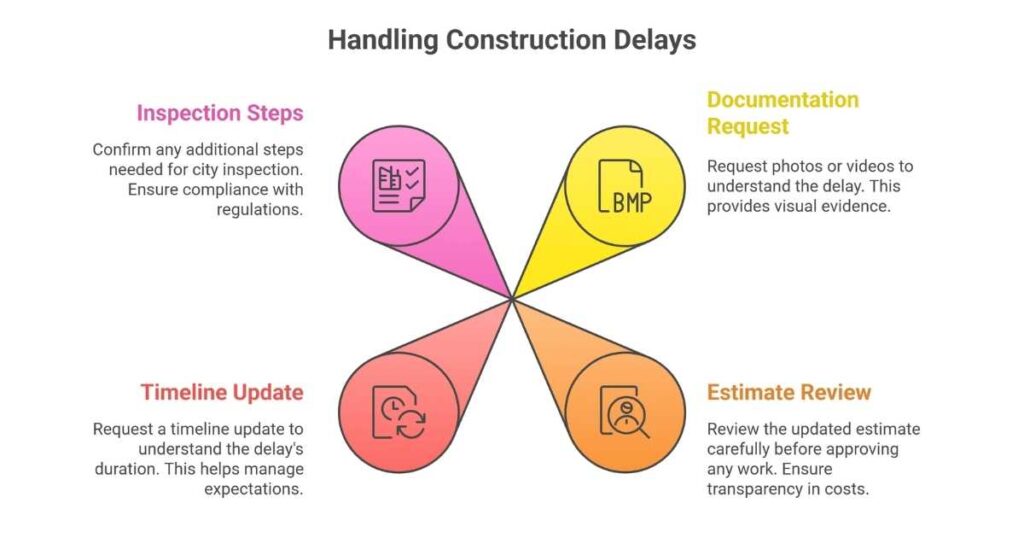
RC Roofing follows a step-by-step process for handling structural damage roof replacement. Once the tear-off begins, the team documents any new problems with photos and explains the scope of work required to correct them. Homeowners receive an updated estimate and options before the job continues.
Each unexpected finding is clearly reviewed and priced, so there are no surprises when the invoice arrives.
What Can You Do to Prepare?
Get a Thorough Inspection
Ask for a detailed inspection before signing your roofing agreement. RC Roofing offers attic checks, ventilation assessments, and decking evaluations to reduce the chance of running into roof replacement challenges once the project starts.
Set a Contingency Budget
Plan to have at least 10 to 15 percent of your budget reserved for unforeseen repairs. Whether it’s mold removal or extra decking, this buffer keeps your project on track if costs rise.
Ask About Process and Communication
Before work begins, confirm how your contractor handles unexpected repairs. Do they pause to get approval? Do they share photos and give honest options? Clear communication is key when dealing with structural damage roof replacement.
Confirm Permits and Code Knowledge
Missouri building codes are strict. Make sure your contractor is licensed and understands the requirements for your city. RC Roofing works across the region and pulls permits in every location we serve, from Washington to Pacific.
How to Handle Structural damage roof replacement During the Job
Questions to Ask Before You Start
To stay ahead of common structural damage roof replacement, ask these questions:
- What is your process if you discover rotten decking or mold?
- Do you check attic insulation and ventilation?
- How much does it cost to replace damaged decking?
- What kind of warranty covers unexpected repairs?
- Can you provide examples of structural damage roof replacement you’ve handled recently?
- How do you communicate changes during the project?
These questions show your contractor that you’re informed and prepared for the project.
Why It’s Better to Handle Challenges Now
It may feel frustrating when your roofing job expands, but fixing hidden problems now is much cheaper than having to revisit the roof in a few years. Addressing roof replacement challenges the right way protects your investment and extends the life of your home.
Repairs like new flashing, structural reinforcement, or proper insulation also improve energy efficiency, prevent moisture buildup, and reduce long-term utility costs.
How RC Roofing Helps You Navigate the Unexpected
RC Roofing serves homeowners throughout Washington, Chesterfield, Eureka, and surrounding towns. With every roof replacement project, the team:
- Performs a full inspection to identify risks early
- Explains possible structural damage roof replacement during planning
- Offers honest, itemized pricing for discovered issues
- Maintains open communication throughout the job
- Completes all work to code with warranty-backed materials
Whether it’s correcting hidden water damage or improving ventilation, RC Roofing ensures that your home is protected for the long run.
Final Thoughts: Be Ready for Structural damage roof replacement
Roof replacement challenges are common — even in newer homes. From hidden rot and poor ventilation to pest damage and structural concerns, many issues aren’t visible until the work begins. Being prepared is the best way to manage unexpected discoveries. Set aside a contingency budget, work with a licensed contractor, and ask about their process for handling mid-project repairs.
RC Roofing has helped hundreds of homeowners throughout Missouri overcome structural damage roof replacement with confidence. If you’re starting a roofing project in Washington, Union, Wildwood, or nearby towns, schedule an inspection with RC Roofing contact us today, and start your project the smart way.
Frequently Asked Questions About Roof Replacement Challenges
Q1: What are the cons of roof replacement?
The main cons are high cost, significant disruption and noise, potential damage risk to landscaping, and vulnerability to leaks if weather interrupts the job.
Q2: How disruptive is replacing a roof?
It is highly disruptive. Expect extreme noise (especially during tear-off), vibration, and restricted access due to crew, equipment, and dumpsters for several days.
Q3: What is the most common problem with roof shingles?
Granule loss, curling/cupping (lifting edges), cracking/splitting, and shingle blow-off due to aging, poor ventilation, or high winds/hail damage.
Q4: What are the steps to replacing a roof?
- Tear-off old materials.
- Inspect/Repair decking.
- Install drip edge.
- Install ice/water shield.
- Install underlayment.
- Install flashing.
- Install shingles and ridge cap/vents.
- Cleanup.
Q5: What questions to ask when replacing a roof?
Ask for proof of licensing and insurance, details on materials and warranties, confirmation of a full tear-off, property protection plan, and the total cost breakdown.