Homeowners across Washington, Wildwood, Frontenac, Town & Country, Chesterfield, Eureka, Augusta, Union, and Pacific face a unique challenge: the intense and unpredictable nature of Missouri storms. High winds, heavy rain, sudden hail, and dramatic temperature swings put constant stress on local roofing systems.
Because our region deals with severe weather year after year, investing in strong roof storm roofing is one of the smartest and most proactive decisions you can make. It protects your property, preserves your home’s value, and ensures long-term safety.
The Missouri Climate: Why Reinforcement is Essential
Missouri’s climate is known for fast-moving weather systems, damaging straight-line winds, and storm seasons that stretch far beyond spring. Consider these factors:
- Homes near open fields, like those in Washington and Augusta, often experience significantly stronger wind exposure.
- Properties in Chesterfield, Town & Country, and Frontenac can face more severe hail impact due to terrain and elevation.
This combination of environmental factors makes roof storm proofing essential for preventing repetitive damage, costly repairs, and long-term structural issues. Reinforcement strengthens your roof so it can withstand future storms while maintaining comfort, safety, and energy efficiency.
Understanding Common Types of Storm Damage in Missouri
Before choosing the right roof storm proofing techniques, homeowners must first understand the types of damage that occur most frequently in our region.
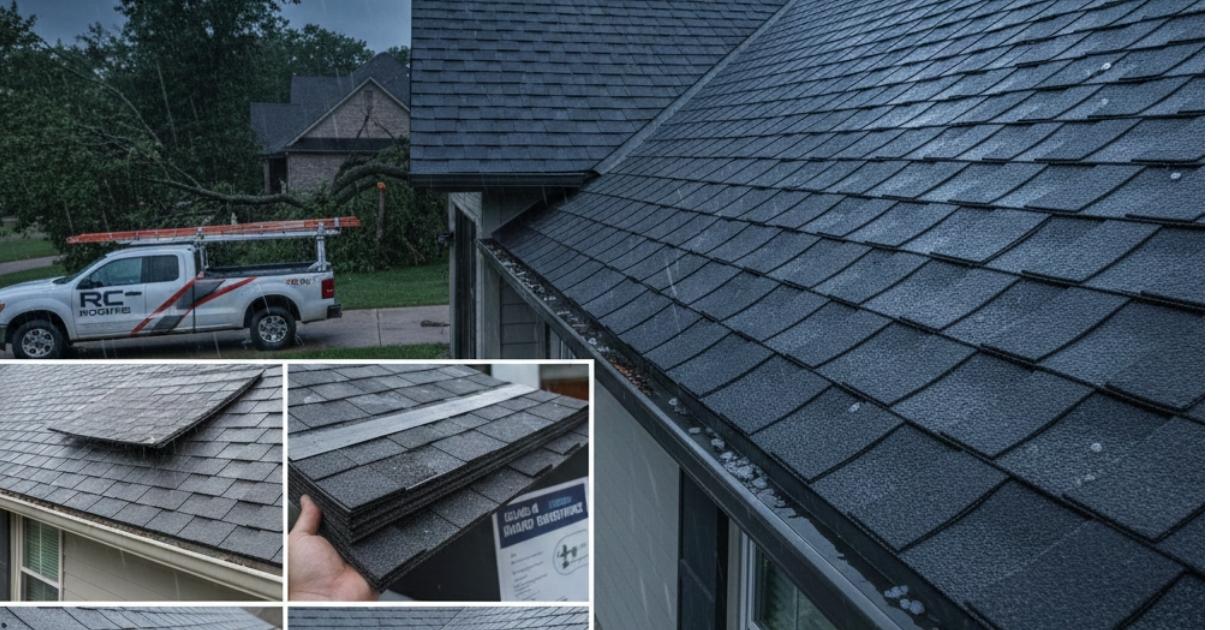
- Wind Damage: Strong winds lift shingles, break tabs, loosen ridge caps, and expose the underlayment. This is extremely common in open areas like parts of Washington, Union, and Pacific.
- Hail Damage: Hail impacts bruise shingles, removes protective granules, and weakens roofing materials over time. This damage is often seen in areas like Frontenac and Chesterfield.
- Rain-Driven Leaks: Heavy storms force water into vulnerable areas such as valleys, flashing, and low-sloped sections.
- Debris Impact: Large branches, limbs, and airborne objects can puncture roofing surfaces or damage gutters, especially in wooded regions like Eureka and Wildwood.
- Gutter Overflow: Clogged or undersized gutters cause water to back up under shingles, damaging edges and the roof decking.
Understanding these specific damage patterns helps you choose the most effective roof storm proofing upgrades for your location.
Essential Roof Reinforcement Techniques for Storm Protection
Modern advancements offer multiple ways to enhance your roof’s defense against severe weather.
1. Reinforced Roof Decking
One of the most valuable upgrades in roof storm proofing is strengthening the roof deck itself. Older homes around Washington, Pacific, and Union often have thinner decking that simply cannot withstand today’s storm intensity.
Reinforcing or replacing roof decking provides:
- Stronger resistance to wind uplift.
- Better nail-holding power for shingles.
- Improved structural durability for the entire system.
- A stable, superior base for modern shingles.
Homes undergoing full replacement benefit significantly from thicker, code-approved sheathing that greatly improves storm resilience.
2. Upgraded Synthetic Underlayment
The underlayment acts as your roof’s final defense when shingles fail. Therefore, modern synthetic underlayment is highly recommended for comprehensive roof storm proofing.
Advantages of this upgrade include:
- Superior tear resistance during high-wind events.
- Improved, long-lasting waterproofing capability.
- Extended material lifespan compared to traditional felt.
- A drastically reduced risk of leaks if shingle damage occurs.
Homes near high-wind areas like Eureka especially benefit from upgraded underlayment, which provides critical reinforcement beneath your primary roofing material.
3. Ice and Water Shield at Vulnerable Areas
An ice and water shield is a self-adhering, rubberized waterproof membrane installed at the most vulnerable points of the roof. It is absolutely essential for strong roof storm proofing, especially on homes with complex rooflines in Chesterfield or Town & Country.
Key areas that require this critical barrier:
- Eaves and rakes.
- Valleys and roof transitions.
- Roof penetrations (vents, chimneys, and skylights).
- Low-slope roof sections.
This robust barrier protects the home during the heaviest rain, ice events, or high wind conditions when shingles or flashing may be compromised.
4. Wind-Rated Roofing Shingles
Not all shingles are equally suited for enduring Missouri storms. Homeowners in Washington, Wildwood, and Pacific benefit greatly from choosing wind-rated shingles specifically designed to withstand powerful gusts.
Upgraded shingles typically feature:
- Reinforced nailing zones for secure fastening.
- Stronger adhesive strips that activate better with heat.
- Superior sealing that prevents water intrusion.
- A thicker, more durable fiberglass mat.
This upgrade is one of the most effective roof storm proofing improvements available for Missouri homeowners today.
5. Proper Nailing Patterns and Fasteners
Shingles only perform as well as the installation technique allows. Consequently, correct nailing is a critical part of reliable roof storm proofing.
Key professional installation standards include:
- Using the correct quantity of corrosion-resistant nails.
- Placing nails precisely within manufacturer-designated zones.
- Ensuring full and clean penetration into the roof decking.
Improper fastening is a primary cause of blow-offs, which are extremely common after strong windstorms in Union and Washington.
6. Hail-Resistant Roofing Materials
For homeowners in hail-prone areas like Eureka, Pacific, and Augusta, impact-resistant shingles are a top recommendation. Specifically, installing [Class 4 Impact-Resistant Shingles] provides maximum defense.
Benefits of these materials include:
- Significantly stronger resistance to cracking and fracturing.
- A much longer shingle lifespan, even with repeated small hail.
- Reduced protective granule loss over time.
- The potential for insurance premium discounts.
These materials offer strong roof storm proofing against Missouri’s frequent, damaging hailstorms.
7. Roof Bracing and Structural Reinforcement
For ultimate storm preparedness, structural reinforcements help roofs withstand the most intense storms by stabilizing trusses and fasteners.
Key structural upgrades include:
- Gable end bracing for increased wind load tolerance.
- Ridge bracing and reinforced trusses for stability.
- Installation of hurricane straps to secure the roof to the home’s frame.
Homes with large roof spans common in Town & Country and Wildwood—benefit greatly from this added structural support.
8. Gutter Protection and Reinforcement
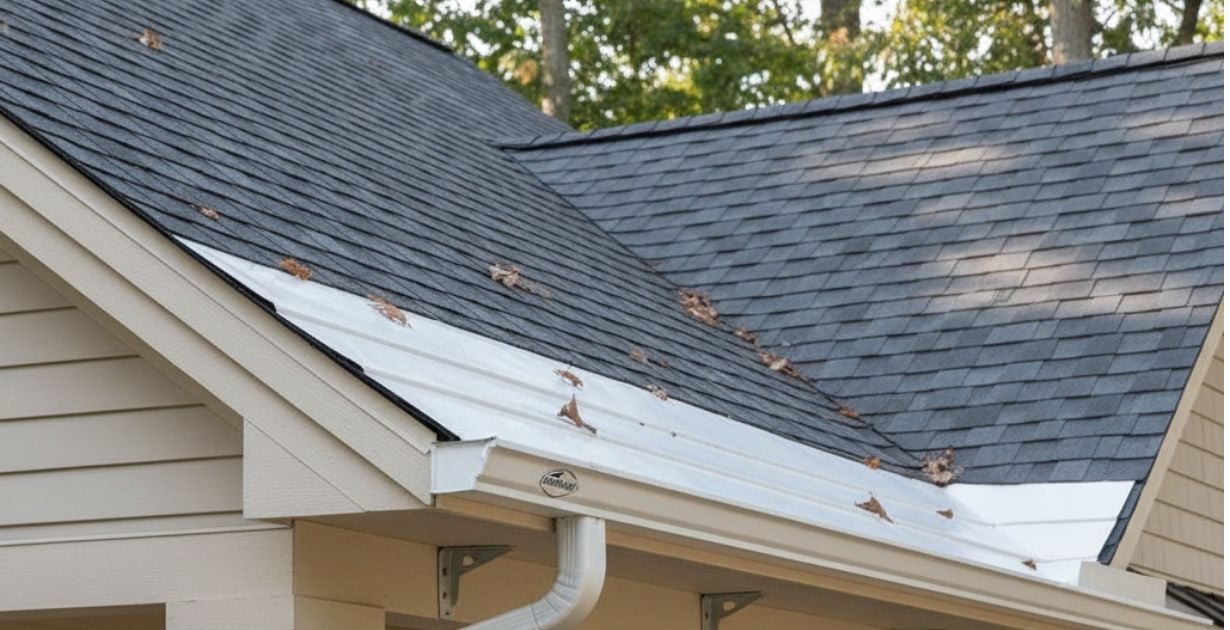
Even the best reinforced roof will fail if water is not redirected properly. Therefore, your gutters contribute significantly to total roof storm proofing.
Important improvements include:
- Installing heavy-duty gutters and reinforced hangers.
- Adding durable gutter guards to prevent clogs.
- Correcting the proper slope and installing larger downspouts.
Homes surrounded by trees, such as those in Wildwood and Eureka, need reinforced gutter systems to manage storm water volume properly.
Routine Maintenance and Inspection: The Final Step in Storm Proofing
Trees and Yard Maintenance as Storm Protection
Tree maintenance is one of the simplest forms of roof storm proofing, yet it is often the most overlooked. This step prevents impacts and reduces wind-driven debris.
Homeowners should always:
- Trim any tree branches that overhang the roof.
- Remove dead, dying, or structurally unstable trees near the home.
- Clear storm debris regularly to prevent clogging.
- Secure outdoor items that can become windborne projectiles.
This is especially important in wooded communities like Eureka and Pacific.
Routine Roof Inspections
Finally, preventative inspections help catch minor issues before they turn into major storm damage.
RC Roofing recommends professional inspections:
- Twice a year once in spring and once in fall.
- Immediately after any particularly severe storm.
- Well before the primary storm season begins.
Inspections identify early signs of problems with shingles, flashing, ventilation, gutters, decking, and moisture presence, allowing for timely, low-cost repairs.
How RC Roofing Helps Homeowners With Roof Storm Proofing
RC Roofing proudly serves Washington, Wildwood, Frontenac, Town & Country, Chesterfield, Eureka, Augusta, Union, and Pacific with expert reinforcement solutions. Our team specializes in preparing roofs for future storm seasons using reliable, cutting-edge materials and proven methods.
We assist homeowners by:
- Inspecting roofs for all types of vulnerability.
- Recommending and installing targeted reinforcement upgrades.
- Installing storm-resistant materials like Class 4 shingles and synthetic underlayment.
- Strengthening structure, flashing, and ventilation.
- Providing customized, long-term maintenance solutions.
Storms may be unpredictable, but your roof doesn’t have to be unprepared. Follow us on Facebook.
Final Thoughts for Missouri Homeowners
Storm protection is not just a response to damage it is a critical preventative action. Investing in high-quality roof storm proofing saves money in the long run, extends your roof’s lifespan, and protects your home’s overall value.
Homeowners across Washington, Wildwood, Frontenac, Town & Country, Chesterfield, Eureka, Augusta, Union, and Pacific benefit from investing in strong reinforcement long before the next severe weather hits. RC Roofing is here to help you reinforce your roof, protect your home, and ensure you stay storm-ready year after year. Contact us today for a comprehensive storm-proofing consultation!
FAQ:
Q1: Is Ice and Water Shield necessary in areas without heavy snow?
A: Yes, absolutely. While it prevents ice dams, the Ice and Water Shield is critical for roof storm proofing in heavy rain. It seals valleys, eaves, and penetrations against wind-driven rain, which can penetrate even healthy shingles during severe Missouri storms.
Q2: What is the single most effective reinforcement I can install?
A: The most effective single upgrade is typically installing high-quality, wind-rated (130 MPH+) shingles and ensuring proper fastening. However, upgrading the underlayment provides the best defense against leaks after a shingle failure.
Q3: Do impact-resistant shingles really save me money on insurance?
A: They can. Many insurance carriers offer discounts for installing Class 4 impact-resistant shingles, especially in hail-prone areas. Homeowners should check with their agent about available storm-resistance credits.
Q4: How often should I check my attic ventilation as part of storm proofing?
A: You should ensure your attic ventilation is clear and unobstructed during your twice-yearly roof inspection. Proper airflow keeps the roof deck cooler and drier, which helps preserve the integrity of the decking and shingles year-round.
Q5: What are hurricane straps, and are they necessary in Missouri?
A: Hurricane straps are metal connectors used to secure the roof trusses or rafters to the wall top plates and structure below. While the term is regional, they are an excellent roof storm proofing measure in high-wind areas of Missouri (like Washington and Union) as they drastically improve uplift resistance.