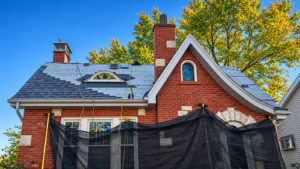
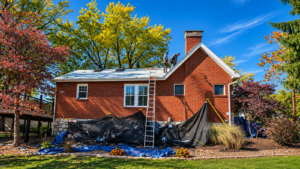
Historic homes offer charm, craftsmanship, and a deep connection to the past. In communities like Washington, Wildwood, Frontenac, and other parts of Missouri, historic houses are architectural treasures that deserve careful maintenance. One of the most important and complex aspects of caring for these homes is ensuring the integrity of their roofs. A proper historic home roof inspection goes beyond a standard check — it requires expertise, sensitivity to materials, and an understanding of structural longevity.
At RC Roofing, we specialize in roofing solutions that respect both the history and safety of your home. This guide explores what makes a home roof inspection different, what homeowners should watch for, and how to preserve roof function without compromising historic value. To learn more information, follow us on our Facebook Page.
Why Historic Homes Require Specialized Roof Inspections
Unlike modern homes, historic properties feature aging materials, non-standard construction techniques, and often, roofing systems that are no longer commonly used. A basic inspection may overlook important signs of deterioration or propose solutions that could harm the property’s character.
A home roof inspection considers:
- The age and original design of the roof
- The condition and type of historic materials (such as slate, clay tile, or wood shakes)
- Structural wear that could impact support beams and trusses
- Local preservation ordinances and compliance issues
Because the stakes are higher, and damage can affect the long-term viability of a property, every home roof inspection must be tailored to the unique features of the home.
Understanding the Unique Roofing Structures of Historic Homes
Historic roofs are often built using traditional methods that differ from today’s systems. These may include:
- Steep pitch or gable construction
- Hand-cut or natural materials
- Exposed wooden rafters or cathedral ceilings
- Hidden gutters or built-in drainage channels
These features make a historic home roof inspection more complicated, as roofers need to identify which parts of the structure are original, which have been modified over time, and which areas are vulnerable to failure.
Common Roofing Materials Found in Missouri’s Historic Homes
During a home roof inspection, identifying the materials used is one of the first and most crucial steps. Common historic materials include:
- Slate: durable and long-lasting, but brittle with age
- Clay tiles: traditional on mission or Spanish-style homes
- Wood shakes or shingles: popular for Colonial and Victorian homes
- Metal roofing: especially on rural or farmhouse-style historic properties
Each of these materials reacts differently to weather, moisture, and temperature changes. Knowing what to expect — and how each material should age — is a major part of a thorough home roof inspection.
Challenges of Aging Roofs in Historic Properties
Older roofs come with their own unique challenges, especially when exposed to Missouri’s changing seasons. These may include:
- Cracked, chipped, or missing materials
- Subsurface rot due to hidden leaks
- Rusting of old fasteners or supports
- Structural sagging or bowing
- Flashing failures and improper retrofits
If not addressed through a careful home roof inspection, these issues can lead to major repair costs or irreversible structural damage. Regular maintenance and early detection are key to preserving both appearance and function.
What to Expect During a Historic Home Roof Inspection
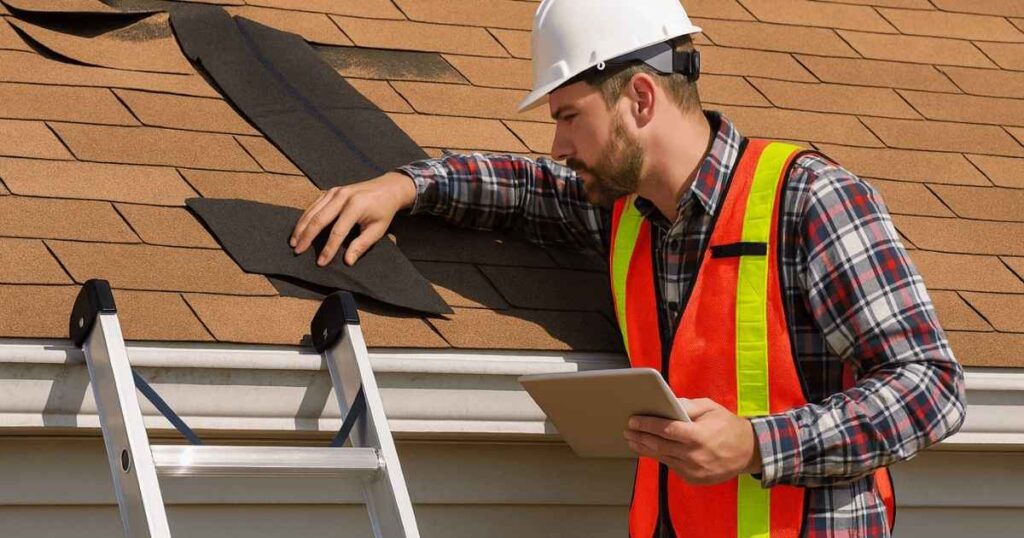
A professional home roof inspection by RC Roofing involves several detailed steps:
- Visual review of all roofing slopes, materials, and transitions
- Hands-on assessment of shingles, tiles, slate, and seams
- Evaluation of flashing, ridge vents, valleys, and roof edges
- Interior inspection of the attic or ceiling to identify moisture, mold, or rot
- Structural review of supports, beams, and decking from beneath
Our team also documents any inappropriate past repairs that may have harmed the roof’s integrity or appearance.
Preservation vs. Replacement: Balancing Function and Authenticity
One of the most sensitive parts of a home roof inspection is determining what can be preserved and what must be replaced. Homeowners want to maintain historical integrity, but safety and function can’t be compromised.
A skilled roofing contractor will:
- Identify salvageable original components
- Recommend historically accurate replacement materials
- Maintain original profiles and rooflines
- Use traditional methods whenever possible
RC Roofing works closely with homeowners in Union and Pacific to make sure our repairs and inspections preserve the spirit and style of the home without sacrificing performance.
Identifying Signs of Wear Without Compromising Original Materials
Historic home roof inspection isn’t just about fixing what’s broken. It’s also about preventing further wear in a way that doesn’t harm the home’s original fabric.
We look for:
- Loose flashing that can be resealed
- Fasteners that need reinforcement
- Subtle leaks around chimneys or dormers
- Insect damage or organic buildup under shingles
In many cases, careful cleaning and restoration can prolong the life of the roof without replacement.
Code Compliance and Preservation Guidelines in Missouri
Many towns in Missouri have local ordinances that affect what kinds of repairs or upgrades can be made to a historic home. During a home roof inspection, we ensure our recommendations comply with:
- Local historic preservation commissions
- Missouri State Historic Preservation Office (SHPO) guidelines
- Neighborhood covenants or zoning rules
- National Register standards, when applicable
RC Roofing helps homeowners navigate these rules, file necessary documentation, and proceed with approved materials.
Dealing with Lead, Asbestos, and Other Hazardous Materials
Older homes often contain building materials that are no longer safe — including lead flashing or asbestos underlayment. During a home roof inspection, these must be identified and removed carefully.
Our team takes the following precautions:
- Partner with certified abatement professionals when needed
- Replace hazardous materials with modern equivalents that blend aesthetically
- Dispose of materials safely and according to law
This is especially important in historic neighborhoods like those in Town & Country or Chesterfield, where original roofing elements may date back to the early 20th century or before.
Historic Roof Inspection Mistakes to Avoid
Not all roofing contractors are equipped to handle historic properties. Some common mistakes we see include:
- Replacing slate or clay tile with asphalt shingles
- Removing original elements like decorative dormers or ridges
- Failing to match color and pattern of existing materials
- Using modern flashing techniques that alter the roof profile
That’s why hiring a professional with experience in home roof inspection is crucial. At RC Roofing, we train our staff to honor historic details while protecting the home’s integrity.
Benefits of Working with Roofing Experts Familiar with Historic Properties
Choosing a roofer who understands the challenges of historic homes brings major advantages:
- Reduced risk of irreversible damage
- Access to traditional materials and techniques
- Better coordination with preservation authorities
- Peace of mind that your home’s value and appearance are protected
How RC Roofing Approaches Historic Roof Repairs in Washington, MO and Nearby Areas
Our process for home roof inspection and repair includes:
- Comprehensive roof and attic inspection
- Documentation and photo reports of wear and historic elements
- Coordination with local historical societies when needed
- A customized plan for repair or restoration
- Use of historically appropriate materials whenever possible
Restoration Best Practices and Material Matching
Matching materials is key to a successful home roof inspection and restoration project. We research and source:
- Reclaimed slate or tile from similar-era homes
- Specialty wood shakes
- Custom-fabricated metal flashings to match old profiles
- Mortar and fasteners suited for older structures
Final Thoughts: Protecting Heritage with Proper Home Roof Inspection
A historic home is more than just a place to live — it’s a piece of your community’s story. At RC Roofing, we believe that every historic home roof inspection is an opportunity to honor that story while ensuring safety and durability.
Whether you live in Frontenac, Wildwood, Union, or Chesterfield, if your home is older than 50 years, regular roof inspections should be a key part of your preservation plan. Trust RC Roofing contact us today to provide the knowledge, respect, and craftsmanship your historic home deserves.
Frequently Asked Questions About Historic Home Roof Inspection
Q: What makes a historic home roof inspection different from a standard inspection?
A: It requires specialized expertise in old materials (slate, wood shakes), non-standard structures, and strict adherence to local preservation ordinances that protect historical integrity.
Q: What are the common historic roofing materials found on homes in Missouri?
A: Slate, clay tiles, wood shakes/shingles, and metal roofing (copper, tin, or steel) are the most common historic materials.
Q: How often should a historic home’s roof be inspected?
A: At least once every one to two years, or immediately following any severe weather events.
Q: What are the biggest challenges of caring for an aging historic roof?
A: Subsurface rot due to hidden leaks, brittle or missing original materials, fastener failures (rusting), and structural sagging or bowing.
Q: Should I repair or replace a historic roof that is showing significant wear?
A: Repair is preferred to maintain authenticity. Replacement is only advised for extensive damage or end-of-life, and must use historically accurate materials to match the original design.
Q: What are local preservation ordinances and how do they affect historic roof work in Missouri?
A: They are rules that require work on historic homes to get approval (often a Certificate of Appropriateness) to ensure historically accurate materials and methods are used, preventing the loss of the home’s character.