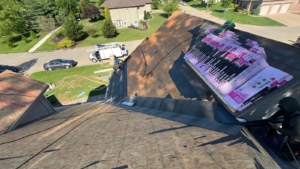
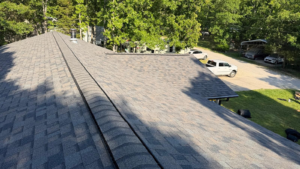
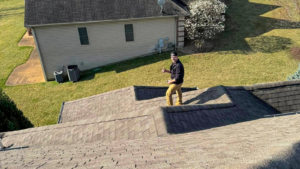
Roof inspections have come a long way from the days of a ladder and flashlight. In places like Washington, MO, and nearby towns including Chesterfield, Eureka, and Wildwood, homeowners are turning to modern tools that make roof inspections more accurate, efficient, and safer. RC Roofing is proud to be at the forefront of this change, utilizing cutting-edge roof inspection technology to protect your home, extend your roof’s life, and avoid costly repairs. Make sure to follow us on Facebook Page.
Why Traditional Roof Inspections Fall Short
Traditional inspections rely heavily on visual assessments done from the ground or on the roof. While they can detect some problems like missing shingles or obvious sagging, they often miss underlying issues like trapped moisture, early-stage leaks, or insulation deficiencies.
In contrast, roof monitoring technology provides a deeper view—literally and figuratively—into your roof’s condition.
The Rise of Roof Inspection Technology in Missouri
Across Washington, Union, and Augusta, homes face a mix of seasonal weather: snow, heat, hail, and storms. This makes it essential to use roof monitoring technology that can:
- Detect moisture below the surface
- Pinpoint minor cracks before they spread
- Measure structural integrity without physical contact
- Record and store inspection results over time
RC Roofing uses tools like drones, infrared thermography, and digital modeling to improve the accuracy and speed of roof assessments.
Drone Roof Inspections: Elevating the View
One of the most visible innovations in roof monitoring technology is the use of drones. With high-resolution cameras and remote access, drones allow us to inspect hard-to-reach areas safely and thoroughly.
Benefits of Drone Inspections:
- Eliminate the risk of injury from climbing
- Capture photos of steep or inaccessible angles
- Zoom in on problem areas for detailed evaluation
- Map roof conditions for long-term maintenance tracking
In cities like Frontenac and Town & Country, where many homes feature large, complex roofing structures, drone inspections are especially valuable.
Infrared Thermal Imaging: Seeing Beyond the Surface
Moisture trapped beneath the roofing materials is one of the most destructive issues for any roof—and it’s often invisible to the naked eye. That’s where infrared thermal imaging becomes essential.
How It Works:
Thermal cameras detect heat signatures and highlight temperature variations. Cool spots usually indicate moisture accumulation, poor insulation, or airflow blockages.
Why It Matters:
RC Roofing has helped countless homeowners in Chesterfield and Eureka catch hidden leaks before they caused extensive damage—thanks to this advanced roof inspection technology.
AI-Powered Image Analysis
As part of our inspection process, we also use software powered by artificial intelligence (AI) to assess the visual data captured during inspections. These programs analyze photos for:
- Granule loss
- Cracking patterns
- Shingle curling
- Structural shifts
This tech-driven review is more consistent than human analysis and helps us generate accurate reports with actionable insights.
Satellite and Aerial Roof Measurement Tools
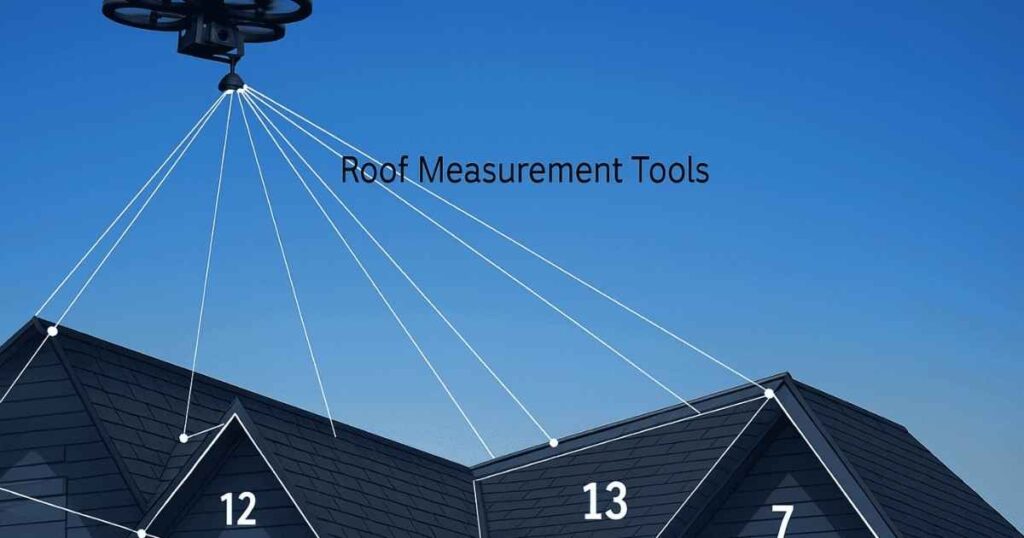
Thanks to aerial measurement technology, we can create precise roof diagrams with pitch, slope, surface area, and eave length. This eliminates guesswork and speeds up repair estimates.
With these satellite tools, RC Roofing can inspect your roof in Union or Pacific, even before stepping foot on the property.
Moisture Meters and Smart Sensors
For ongoing monitoring, we install moisture sensors under certain roof layers—especially in commercial or flat-roofed buildings. These devices continuously assess water intrusion levels and alert us to potential problems.
This approach has made roof monitoring technology more preventive and less reactive, especially for larger residential properties in Wildwood and Frontenac.
Benefits of Using Roof Monitoring Technology
1. Enhanced Accuracy
New technologies help eliminate human error and deliver a more complete view of roof health.
2. Early Detection
We can catch issues before they’re visible, reducing repair costs and avoiding water damage.
3. Data Tracking
Digital records provide homeowners with a clear history of roof conditions, making it easier to prove warranty claims or plan replacements.
4. Faster Results
Many inspections can be done in under an hour, compared to manual assessments which may take several hours.
5. Lower Costs Over Time
While tech-assisted inspections may cost slightly more upfront, the savings from early issue detection are significant.
When Should You Use Roof Monitoring Technology?
While we recommend a professional inspection every year, these signs may call for an immediate evaluation using advanced roof inspection technology:
- Recent severe weather
- Spike in energy bills
- Visible sagging or discoloration
- Planning to sell your home
- Preparing for a major renovation
If you live in areas like Pacific or Town & Country, where storm events are frequent, regular use of advanced inspection methods is wise.
The Inspection Process with RC Roofing
- Initial Contact and Scheduling
We confirm the best time for drone flyovers or access to attic spaces if internal inspection is needed. - Preliminary Roof Scan
Drones collect aerial imagery, thermal cameras detect temperature variations, and AI software begins scanning visual anomalies. - Moisture and Leak Testing
Where necessary, we use handheld meters and conduct controlled hose testing for leak confirmation. - Reporting and Recommendations
We present a digital report with images, measurements, issue summaries, and repair options. - Ongoing Monitoring (Optional)
We can install passive or smart sensors for ongoing tracking of your roof’s health.
Case Study: Chesterfield Home Saved by Tech
One Chesterfield homeowner scheduled a routine inspection but didn’t expect major issues. Our drone noticed slight bowing along the ridge, and infrared detected cool patches suggesting moisture. Further examination revealed:
- A minor leak under a satellite dish mount
- Degraded insulation in the attic
- Two cracked shingles allowing water ingress
Thanks to roof monitoring technology, we repaired the damage early. Without it, the homeowner could’ve faced interior drywall damage and mold within months.
Misconceptions About Roof Monitoring Technology
Myth 1: It’s too expensive
Truth: While tools like drones and infrared cameras sound costly, the actual inspection cost remains competitive—and the long-term savings are enormous.
Myth 2: It’s only for commercial roofs
Truth: At RC Roofing, we use these technologies for homes of all sizes in Washington, Union, and Eureka.
Myth 3: Traditional inspections are just as good
Truth: No manual inspection can detect internal moisture or capture a full aerial view like modern tech.
Frequently Asked Questions About Roof Inspection Technology
Q: How long does a drone roof inspection take?
A: Most drone scans are completed within 30 minutes.
Q: Will drone inspections damage my roof or violate privacy laws?
A: No. Our FAA-licensed operators follow strict protocols for safety and privacy.
Q: Do insurance companies accept tech-based reports?
A: Yes. In fact, many prefer detailed drone and thermal imagery for claim support.
Q: Is this service available in all areas?
A: Yes. We serve Washington, Chesterfield, Frontenac, Town & Country, and all surrounding regions.
Why RC Roofing Is the Trusted Name in Washington, MO
Our investment in roof inspection technology isn’t just about staying ahead—it’s about doing right by homeowners. RC Roofing contact us today combines craftsmanship with data, ensuring that each roof inspection delivers value, clarity, and peace of mind.
We don’t guess. We measure. We visualize. We verify.