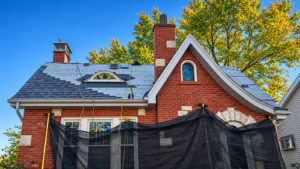
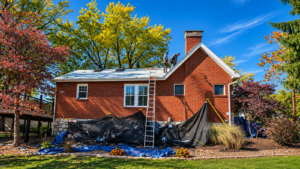
Historic homes in Washington, MO, and nearby areas such as Chesterfield, Eureka, and Union, offer unmatched character and craftsmanship. But these beautiful properties often require a specialized touch when it comes to roofing. A historic house roof replacement isn’t just about updating a structure—it’s about preserving the charm and value that make these homes unique.
At RC Roofing, we specialize in helping homeowners handle this delicate balance between authenticity and modern durability. This guide will walk you through everything you need to know about historic home roof replacement, including materials, challenges, methods, and long-term solutions; learn more by following us on the RC Roofcontractors Facebook Page.
Why Historic Roofs Require a Special Approach
Roofing a modern home is relatively straightforward. But in a historic house roof replacement, every decision matters—from materials and flashing to how the shingles are laid. Many historic roofs feature steep slopes, ornate trim, or materials that are no longer produced.
Common Issues with Historic Roofs
- Outdated roofing materials (e.g., wood shake, slate)
- Fragile framing or underlayment
- Historical preservation codes
- Unique architectural elements like dormers or turrets
All these factors mean a historic house roof replacement must be handled by professionals with experience in both modern roofing technology and heritage design.
Choosing the Right Roofing Materials
Selecting materials that reflect the home’s history while providing durability is at the heart of every historic home roof replacement.
Slate Roofing
Slate is a premium, long-lasting material often used in historic homes. It provides both visual appeal and resilience. However, it’s heavy and expensive.
Alternative: Synthetic Slate
Many homeowners opt for synthetic slate, which offers the same appearance at a lower cost and weight. It’s ideal for a historic house roof replacement when structural concerns are present.
Wood Shake or Shingle
Another popular option, especially in older homes in Wildwood or Pacific, is cedar shake. It provides a rustic look but requires regular maintenance.
Alternative: Treated or Composite Wood
These offer better resistance to rot and fire while preserving the aesthetic needed in a historic house roof replacement.
Clay Tile or Concrete Tile
Mission-style homes often feature clay tile roofs. While attractive and fire-resistant, they can be brittle and heavy.
Alternative: Lightweight Concrete Tile
Mimics clay while easing weight concerns—perfect for structural preservation during a historic house roof replacement.
Maintaining Authentic Design During Roof Replacement
Authenticity goes beyond materials. A true historic house roof replacement also involves maintaining:
- Original eave and rake profiles
- Custom ridge caps and valleys
- Copper or tin flashing and gutters
- Unique installation patterns and textures
RC Roofing uses old photographs, blueprints, or remnants of the original roof to replicate historic details wherever possible.
Navigating Preservation Guidelines
Communities like Frontenac or Town & Country may have strict regulations around historic properties. Before beginning a historic house roof replacement, homeowners should:
- Check local ordinances
- Consult historical preservation committees
- Get required permits
- Choose approved materials and contractors
RC Roofing handles the compliance process so homeowners don’t have to navigate these challenges alone.
Balancing Performance and Preservation
Modern roofing materials can significantly outperform historical ones in terms of energy efficiency and storm resistance. A successful historic house roof replacement includes:
- Modern underlayment for moisture protection
- Updated flashing systems
- Enhanced insulation and attic ventilation
- UV-resistant coatings
These upgrades remain hidden but help your historic roof perform like a modern one.
RC Roofing Case Study: Washington, MO
In Washington, RC Roofing recently completed a historic house roof replacement on a 1920s Craftsman-style home. The original cedar shake roof had deteriorated, and the framing was no longer supporting the weight evenly.
Our approach:
- Replaced with synthetic shake for historical accuracy
- Installed copper flashing and period-specific ridge caps
- Repaired rafters and installed breathable underlayment
The result? A flawless roof that passed preservation review and looks like it did a century ago—but built to last.
Cost Considerations
Material Costs
Slate, shake, and clay are more expensive than asphalt, but necessary for an authentic historic home roof replacement.
Labor
Skilled craftsmanship is key. RC Roofing’s team includes specialists trained in historical techniques.
Compliance Costs
Filing permits and gaining approvals from historical commissions can increase timelines and budgets.
Structural Reinforcement
Homes may need reinforcement to support heavier materials like slate or tile.
Energy Efficiency Upgrades
Even during a historic house roof replacement, you can improve energy efficiency. RC Roofing recommends:
- High R-value attic insulation
- Cool roof shingles where possible
- Ridge vents for airflow (hidden beneath trim)
- Solar-compatible systems that don’t affect curb appeal
Post-Replacement Maintenance
After a successful historic house roof replacement, it’s crucial to maintain it. Annual inspections, gutter cleaning, and minor repairs ensure the roof lasts decades.
What to Watch For
- Moss or algae buildup
- Loose or missing shingles
- Water stains in attic or ceilings
- Debris accumulation in gutters
RC Roofing offers maintenance plans specifically for historic homes to preserve your investment.
Why RC Roofing is the Go-To for Historic Projects
With years of experience working across the Missouri region—including Washington, Union, and Chesterfield—RC Roofing brings:
- A deep understanding of historic house roof replacement
- Direct relationships with material suppliers
- Compliance knowledge for local historical rules
- A portfolio of successful restorations
Homeowners trust RC Roofing because we honor history while protecting what matters today.
Final Thoughts
A historic home roof replacement is more than just a renovation—it’s a preservation effort that demands skill, care, and experience. By choosing the right materials, understanding the structural needs, and working with a contractor who respects historical details, homeowners across Washington, Eureka, and Wildwood can protect their property’s legacy while upgrading its performance.
When you’re ready to begin your own historic house roof replacement, today contact us RC Roofing is here to help—guiding you through every phase from inspection to final trim.
Frequently Asked Questions About Historic Home Roof Replacement
Q: Why are historic roofs special?
A: They require specialized care to balance authentic materials and unique architecture with modern durability, often while adhering to preservation codes.
Q: What materials are best for historic authenticity?
A: Slate, wood shake, and clay tile are traditional. We often recommend high-quality, lightweight alternatives like synthetic slate for structural and cost efficiency.
Q: Does RC Roofing handle preservation compliance?
A: Yes, we manage all aspects, including checking local ordinances, consulting with historical committees, and obtaining necessary permits.
Q: Can a historic roof be made energy efficient?
A: Absolutely. We use modern, hidden upgrades like advanced underlayment, enhanced insulation, and updated ventilation to boost energy performance.
Q: Why is historic roof labor more costly?
A: It requires specialized craftsmanship and historical expertise to handle traditional materials, custom flashing, and complex installation patterns correctly.
Q: What if my structure can’t support heavy materials like slate?
A: We often suggest lightweight alternatives or assess the need for structural reinforcement to safely support traditional, heavier materials.