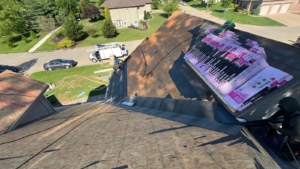
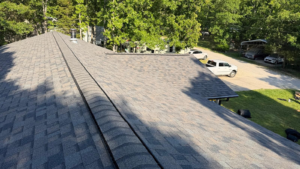
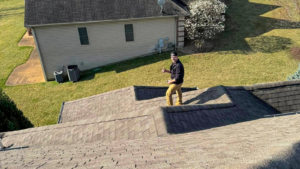
When you think of a roof inspection, you probably picture a contractor walking across your shingles, checking for missing pieces, flashing issues, or leaks. What many homeowners don’t realize is how risky that work can be. Roof surfaces are high, steep, and often slippery. That’s why roof inspection fall protection is such an important subject for any homeowner hiring professionals in Washington, Wildwood, Frontenac, Town & Country, Chesterfield, Eureka, Augusta, Union, and Pacific.
At RC Roofing, safety is part of every service we provide. Protecting our crews with the right equipment and procedures ensures your roof is inspected thoroughly without rushing or skipping details. In this article, we’ll explain the risks of inspections, the standards that guide us, and the equipment that keeps roofing professionals safe on your property, learn more information and follow us on Facebook for on going updates.
Why Roof Inspections Carry Risk
Every roof inspection has its challenges. In Chesterfield or Town & Country, many homes feature multiple stories with steep roof pitches. In Eureka or Union, morning frost and wet leaves can turn shingles into slick surfaces. Some roofs are already compromised from age or storm damage, making footing unstable.
These conditions create real hazards. Without proper commercial roof fall protection, even an experienced roofer can lose balance. That’s why inspections are never just about finding leaks or checking ventilation—they’re also about performing the work with a system of safeguards in place.
What Roof Inspection Fall Protection Means
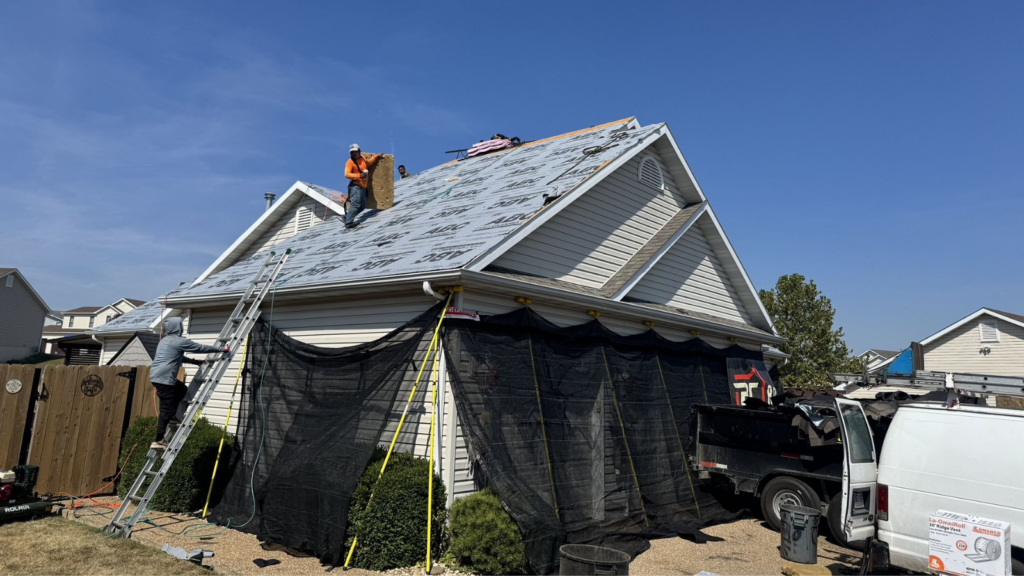
When we say roof edge protection systems, we’re talking about the complete safety approach that includes equipment, procedures, and training. It involves:
- Harnesses and lifelines to stop a fall before it becomes dangerous.
- Secure anchors fastened to strong parts of the roof structure.
- Ladders that are tied off and stabilized for safe access.
- Guardrails or warning lines that define safe zones on large roofs.
- Safety training so inspectors know how to use every piece of equipment properly.
This layered approach reduces risks and gives roofing crews confidence to work carefully and thoroughly on your home.
OSHA Safety Standards
In the roofing industry, OSHA (Occupational Safety and Health Administration) sets the rules. According to OSHA, fall protection is required for anyone working six feet or more above the ground. That includes nearly every residential roof in Washington, Pacific, or Augusta.
OSHA standards require fall arrest systems like harnesses and anchors, ladder safety practices, guardrail setups when possible, and consistent safety training. At RC Roofing, our teams are trained to follow and exceed these requirements. Homeowners benefit directly because inspections are carried out with full attention to detail instead of cutting corners for speed.
The Equipment That Keeps Inspectors Safe
Fall protection comes down to the right gear. Personal Fall Arrest Systems (PFAS) include a full-body harness, a lanyard, and a secure anchor point. If a slip happens, the system locks in and prevents injury. Guardrail systems provide physical barriers around roof edges. Ladder stabilizers and tie-offs stop ladders from shifting during climbs. Some inspections also use temporary warning lines to remind workers where roof edges are.
Each piece of equipment plays a role in a larger safety plan. The result is a confident, steady inspection where every part of your roof—from shingles to flashing—is evaluated without unnecessary risk. This is why roof inspection fall protection matters for every homeowner.
How Fall Protection Benefits Homeowners
You might wonder, “If fall protection keeps workers safe, how does it help me as the homeowner?” The answer is simple. When inspectors feel safe, they can perform more thorough evaluations. There’s no rushing through an inspection or skipping hard-to-reach areas. That means problems are more likely to be identified early, saving you money on repairs down the line.
Safe inspections also mean fewer accidents on your property. As a homeowner in Wildwood or Frontenac, you don’t want liability concerns from a contractor getting hurt. By choosing a company like RC Roofing that prioritizes roof harness and lanyard kit, you’re reducing those risks.
The Process of a Safe Roof Inspection
A safe inspection begins before anyone climbs a ladder. Crews check equipment, secure anchor points, and plan safe movement across the roof. Ladders are stabilized and tied off. Once on the roof, inspectors use lifelines or warning lines depending on the surface. Every step is deliberate, with safety checks along the way.
This process takes a little more time, but it guarantees accuracy and reduces risk. It also shows professionalism—homeowners in Washington or Chesterfield can see that RC Roofing values both safety and quality.
Weather and Seasonal Factors
In Missouri, weather makes safety even more important. Fall inspections often involve wet leaves, frost, or strong winds. Winter brings ice and snow that create slippery conditions. Summer heat can cause roof materials to soften, making footing less stable.
Because of these challenges, roof inspection fall protection must be adjusted season by season. Harnesses, anchors, and ladders are chosen with conditions in mind. At RC Roofing, we plan inspections carefully to ensure safety no matter the time of year.
Training and Professionalism
Equipment alone isn’t enough. Training is the backbone of safety. Every RC Roofing crew member is taught how to use harnesses, anchors, ladders, and guardrails correctly. They also learn how to identify unsafe conditions before starting work.
For homeowners, this professionalism makes a difference. In Union or Eureka, when you see our team inspecting your home, you’ll notice careful movements, secure equipment, and clear communication. That’s the mark of a roofing company that values roof inspection fall protection requirements as much as quality results.
Common Misconceptions About Fall Protection
Some people believe fall protection is only needed for large commercial projects, not residential homes. Others think it slows down building inspections or isn’t worth the effort. The truth is that fall protection is essential for every roof, no matter the size. Even single-story homes in Augusta or Pacific can be high enough to cause serious injury.
At RC Roofing, we see fall protection as part of doing the job right. Homeowners should expect and demand this level of care from anyone who inspects or works on their roof.
Why Homeowners Should Care About Safety Standards
You might assume that safety is the contractor’s responsibility, not yours. But as a homeowner, choosing a company that uses roofing safety checklist for inspections protects you too. It reduces liability risks, ensures better inspection results, and shows you’ve hired professionals who follow best practices.
If you’re comparing roofing companies in Washington, Wildwood, or Town & Country, ask about their safety standards. A reputable contractor will be happy to explain their process.
The RC Roofing Difference
At RC Roofing, we don’t see safety as optional. Every inspection, every repair, and every replacement is carried out with fall protection in place. Our crews are trained, our equipment is inspected, and our process is clear.
When homeowners in Chesterfield, Eureka, or Union call us for inspections, they know they’re getting more than a surface-level check. They’re getting a safe, detailed evaluation backed by proper roof inspection fall protection practices.
Conclusion: Protecting People and Homes
Roof inspections are a vital part of home maintenance, but they shouldn’t come at the expense of safety. By prioritizing roof safety line installation, roofing companies protect their workers and deliver more accurate results for homeowners.
For residents of Washington, Wildwood, Frontenac, Town & Country, Chesterfield, Eureka, Augusta, Union, and Pacific, contact us RC Roofing today to make us your trusted choice. We combine local knowledge, professional training, and proven safety equipment to make sure every inspection is done the right way.
Your roof protects your home. Fall protection protects the people inspecting it. Together, they ensure your family’s safety, comfort, and peace of mind.