For homeowners in Washington, Wildwood, Frontenac, Town & Country, Chesterfield, Eureka, Augusta, Union, and Pacific, keeping a roof in good shape is more than just patching leaks or replacing shingles. A roof is the backbone of your home’s protection, and it works together with the rest of the structure to keep everything stable and safe. When major storms, aging materials, or hidden weaknesses begin to affect your roof, a simple inspection isn’t always enough. That’s where a structural roof inspection assessment becomes essential.
This type of inspection goes beyond the surface. It examines the roof’s ability to carry loads, its connection to supporting walls, and the long-term durability of the structure. For Missouri homeowners, especially those in areas prone to strong winds, hail, and heavy rain, the added level of detail from an engineering review can prevent costly repairs and protect property value for years to come. and especially contact us on our Facebook page
Why Homeowners Need More Than a Basic Roof Inspection
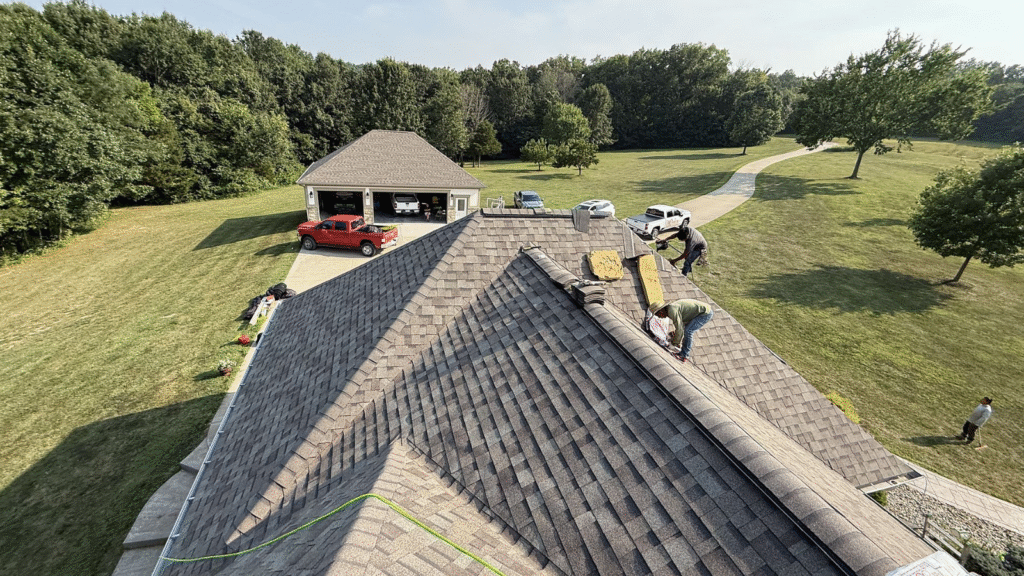
Most homeowners are familiar with basic inspections. A contractor may look at the condition of shingles, gutters, flashing, and visible leaks. While this is helpful for routine maintenance, it doesn’t tell the whole story. A structural roof inspection assessment looks deeper into the skeleton of the home.
Think of it this way: a doctor can check your blood pressure and temperature, but if something feels wrong, you may need an X-ray or MRI. Similarly, a roof that looks fine on the outside could be hiding stress cracks, sagging beams, or rotting supports. An engineering assessment reveals these hidden problems before they become emergencies.
In places like Frontenac and Town & Country, where homes are often custom-built with steep pitches and multiple rooflines, surface inspections can miss stress points. In more rural areas like Augusta or Pacific, where storms are frequent, a weakened structure can go undetected for years until a major storm puts the roof at risk.
The Difference an Engineer Brings to the Inspection
At RC Roofing, we bring licensed engineers into the process when a situation calls for advanced evaluation. During a structural roof inspection assessment, the engineer focuses on several key areas:
- Load calculations to determine if the roof can safely support current and future weight, such as snow, ice, solar panels, or even new roofing material.
- Stress analysis of trusses, rafters, and beams to identify cracks, shifts, or sagging.
- Foundation and wall tie-in reviews to ensure the roof isn’t straining walls or compromising the foundation.
- Safety projections for long-term use, which help homeowners make smarter decisions about repairs, reinforcements, or full replacements.
This professional perspective is invaluable in areas like Wildwood and Chesterfield, where weather patterns create long-term pressure on roofing systems.
Warning Signs That Indicate the Need for a Structural Roof Inspection Assessment
Not every homeowner knows when to schedule an engineering review. Here are some signs that indicate the need for more than just a surface check:
- A roofline that appears to dip or sag in certain areas.
- Cracks are forming inside the home along walls, ceilings, or near windows.
- Repeated roof leaks, even after repairs have been made.
- Noticeable shifting or creaking in the attic.
- Homes that recently suffered storm damage from hail, wind, or falling branches.
- Plans for remodeling, such as installing solar panels or converting an attic space into a living area.
For families in Union and Eureka, where weather damage is common, these warning signs often prompt a call to RC Roofing for a professional structural roof inspection assessment.
The Process of a Structural Roof Inspection Assessment
The structural assessment at RC Roofing begins with a detailed consultation to identify concerns like storm damage or renovation plans. We then conduct an exterior survey to find visible weaknesses followed by an interior attic inspection to detect hidden rot or sagging. A licensed engineer then performs a technical analysis, calculating load capacities and measuring stress points in the trusses. Finally, you receive a comprehensive report with custom recommendations for any necessary reinforcements to ensure your home remains safe and durable.
Benefits of a Structural Roof Inspection Assessment
Homeowners often ask why this level of inspection is worth the investment. The benefits are clear:
- Safety First: Identifying hidden structural weaknesses prevents roof collapse or major damage.
- Cost Savings: Early detection of small issues can prevent expensive repairs later.
- Insurance Support: Reports from structural engineers can strengthen insurance claims after storm damage.
- Home Value Protection: Buyers value documented roof inspections, especially in higher-end neighborhoods like Frontenac or Town & Country.
- Peace of Mind: Knowing your roof is structurally sound provides confidence for the years ahead.
Case Example: Chesterfield Homeowner After a Storm
One of our clients in Chesterfield experienced a powerful storm that knocked down several trees. At first glance, only a few shingles appeared damaged. But after performing a structural roof inspection assessment, our engineers found that the impact had cracked a major truss. Left unfixed, the roofline could have sagged over time, eventually leading to collapse. With the engineer’s findings, the homeowner secured insurance coverage for a full repair, saving thousands of dollars.
Cost Considerations
Homeowners often wonder what a structural roof inspection assessment will cost. While prices vary depending on the size of the home and the complexity of the roof, it is always more affordable than the cost of ignoring hidden issues. A sagging truss or rotting beam can lead to tens of thousands of dollars in damage if undetected.
Additionally, many insurance providers require engineering reports before approving major roof claims. The cost of an assessment is often reimbursed or factored into the claim settlement, making it a smart financial decision for homeowners in Washington and surrounding areas.
Structural Roof Inspections and Insurance Claims
Insurance companies often push back on claims that lack clear evidence of damage. A basic inspection may not be enough to prove the structural issues caused by a storm. However, a structural roof inspection assessment performed by RC Roofing and certified engineers provides solid documentation.
This detailed report includes measurements, photos, and professional findings that leave little room for dispute. Homeowners in Pacific and Augusta who have gone through storm recovery know how valuable it is to have engineering-backed reports when negotiating with insurance adjusters.
Preparing for a Roof Replacement or Renovation
If you are planning a major renovation—such as converting an attic, adding skylights, or installing solar panels—a structural roof inspection assessment should be your first step. This ensures the roof can safely handle the added weight and structural changes.
In Town & Country and Frontenac, where many homeowners pursue large-scale remodels, engineers often recommend reinforcement before projects move forward. This prevents costly mid-project delays and ensures the home remains safe and compliant with building codes.
Preventative Maintenance and Long-Term Planning
A roof may look fine today, but without proper assessment, small weaknesses can develop into larger problems. Scheduling a structural roof inspection assessment every few years allows homeowners to stay ahead of costly damage.
In areas like Wildwood and Union, where storms can strike multiple times a year, proactive inspections help extend the life of the roof while avoiding unexpected emergencies. By catching issues early, homeowners can budget for future repairs instead of facing sudden, overwhelming costs.
How RC Roofing Supports Homeowners in Missouri Communities
RC Roofing has built a reputation in Washington, Wildwood, Frontenac, Town & Country, Chesterfield, Eureka, Augusta, Union, and Pacific for being thorough, trustworthy, and homeowner-focused. Our inspections are not about quick fixes. They are about ensuring your home remains safe for the long run.
When you schedule a structural roof inspection assessment with our team, you receive more than just an inspection—you receive the combined expertise of experienced roofers and licensed engineers dedicated to protecting your biggest investment.
Conclusion
A roof is not just a covering; it is an essential part of your home’s structure. Ignoring hidden issues can lead to expensive damage and safety risks. By scheduling a structural roof inspection assessment, homeowners in Washington, Wildwood, Frontenac, Town & Country, Chesterfield, Eureka, Augusta, Union, and Pacific can make confident decisions about repairs, insurance claims, and renovations.
Whether you suspect storm damage, notice warning signs, or are planning future upgrades, RC Roofing is here to guide you every step of the way. Investing in a professional assessment today can save you from major expenses tomorrow, while giving you peace of mind that your home is structurally sound and ready for the future. and contact our team