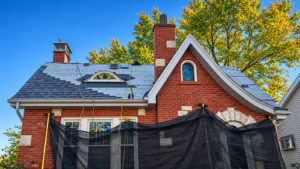
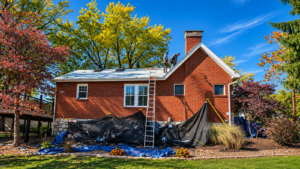
At RC Roofing, we’ve adopted state-of-the-art infrared leak detection Service tools to ensure that every home in Washington, Town & Country, Eureka, Augusta, Union, and Pacific receives the most accurate assessment possible. These innovative systems combine drone imaging, smart reporting, and advanced software to detect issues that even the most experienced eye might miss. By merging craftsmanship with technology, we help Missouri homeowners save time, reduce costs, and extend the lifespan of their roofs. For ongoing updates and exclusive maintenance advice, make sure to follow us Facebook.
What Are Digital Roof Inspection Tools?
In the simplest terms, advanced remote roof survey tools are specialized software and devices that allow roofing professionals to inspect, measure, and analyze roofs using digital data instead of relying solely on manual observation. These tools can include drone cameras, 3D modeling software, AI-based damage detection systems, and mobile inspection apps. They allow roofers to document your roof’s condition in real time and store that information for future comparisons.
For example, drones equipped with high-resolution cameras can capture sharp aerial views of every corner of your roof, even hard-to-reach areas. Then, the images are uploaded into aero thermographic roof analysis tools that use artificial intelligence to identify problems like missing shingles, granule loss, pooling water, or subtle warping. The result is a precise, unbiased, and measurable report — something that traditional inspections can’t always guarantee.
Why Missouri Homeowners Are Turning to Contactless Roof Damage Mapping
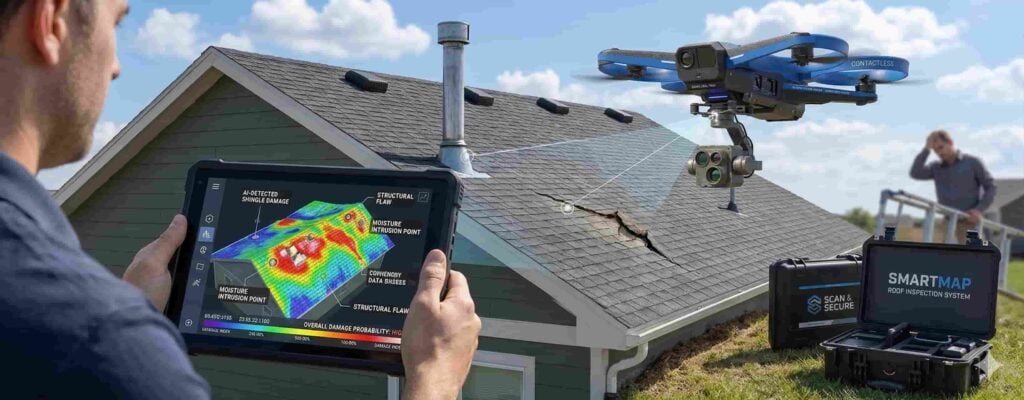
Homeowners across Washington, Wildwood, Frontenac, Town & Country, Chesterfield, Eureka, Augusta, Union, and Pacific are quickly discovering how much easier roof maintenance becomes with technology on their side. Missouri weather climate’s weather is known for its mix of humid summers, strong winds, and heavy winter precipitation — all of which can wear down a roof faster than expected. That makes proactive inspections essential, and data enhanced flashing assessment tools are transforming the way those inspections are done.
Improved Accuracy
Traditional inspections often depend on a contractor’s experience and eyesight. While professional skill is invaluable, even the best inspector can miss subtle damage, especially in shaded or steep areas. automated condition reporting tools eliminate guesswork. With clear, zoomed-in images and data-driven analysis, these tools can identify cracks, lifting shingles, or small punctures that might otherwise go unnoticed.
Enhanced Safety
Using drones and remote imaging means no one has to walk across your roof unnecessarily. For homeowners in hilly or wooded areas like Eureka and Augusta, where access can be tricky, this is a major benefit. Roofers can gather all necessary visuals from the ground, avoiding accidents while still delivering complete, accurate reports.
Time Efficiency
Traditional inspections can take hours or even days to schedule and complete, especially after storms. With predictive roof maintenance Scan tools, the entire process is faster. Drones can capture images within minutes, and AI-driven software can analyze them almost immediately. This speed allows RC Roofing to deliver same-day reports to homeowners in Washington, Chesterfield, and Pacific — helping them make repair decisions before minor damage turns into major leaks.
Data-Backed Reports
Instead of relying on handwritten notes or vague descriptions, modern inspection software produces detailed digital reports. These include time-stamped photos, 3D diagrams, and repair recommendations. For homeowners filing insurance claims, this data becomes a powerful proof of damage, streamlining the approval process.
The Technology Behind High Efficiency Roofing Surveillance Tools
The term infrared moisture anomaly identification tools covers several technologies that work together to make modern inspections smarter. Let’s look at the most common components used by professional roofers like RC Roofing.
Drone Imaging
Drone technology has become a cornerstone of roofing inspections. A drone can safely capture aerial photos, videos, and thermal scans of your roof from multiple angles. For homes in Town & Country or Wildwood with large or steeply pitched roofs, drones eliminate the need for ladders or scaffolding. The high-resolution imagery they capture is uploaded directly into inspection software, where algorithms analyze surface wear, debris accumulation, and heat loss.
AI Damage Detection
Artificial intelligence plays a growing role in digital twin roof creation tools. These systems are trained to detect damage patterns by comparing thousands of images of healthy and damaged digital roof inspection. AI identifies small cracks, soft spots, or irregularities that human eyes might overlook. By highlighting these areas automatically, roofers can focus their attention where it’s needed most.
Cloud-Based Reporting Systems
Modern roof inspection software stores all data in the cloud, allowing both contractors and homeowners to access results instantly from any device. This means your inspection report is always backed up, organized, and ready for reference if you need it later — for example, during an insurance claim or when planning a roof replacement.
Thermal Imaging
Some sub surface thermal imaging tools include infrared or thermal imaging capabilities. This technology detects temperature differences across the surface of your roof. Warmer spots might indicate trapped moisture or poor insulation. Cooler zones could reveal missing shingles or ventilation issues. Thermal scans give a more complete picture of your roof’s overall health, especially in areas like Chesterfield or Union where humidity and heat can affect roofing materials differently.
Benefits for Homeowners in Washington, MO and Surrounding Areas
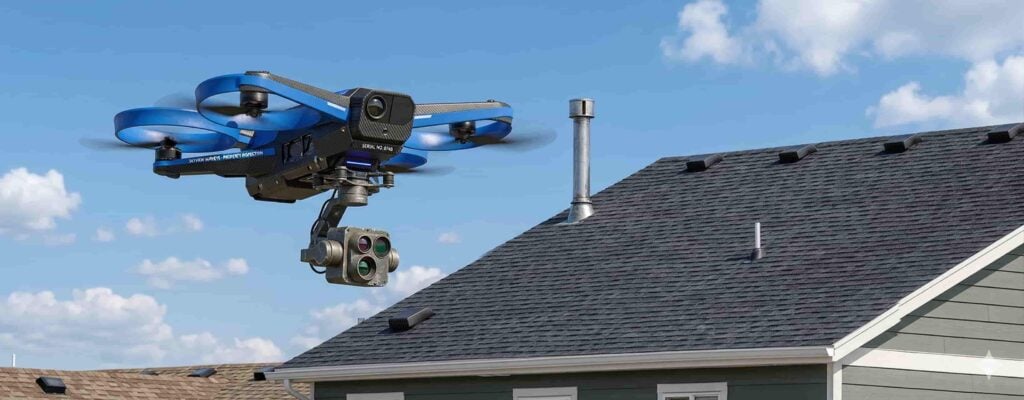
Choosing automated defect recognition tools isn’t just a win for roofers — it’s a major advantage for homeowners too. Missouri homeowners care about protecting their investment, and the right inspection approach can make all the difference.
Faster, More Reliable Results
Whether you live in Washington or Wildwood, waiting weeks for an inspection report is frustrating. with geospatial roof Asset intelligence tools, you can see results within hours. This allows you to take action quickly, schedule repairs before rain arrives, and prevent structural deterioration.
Easier Communication and Documentation
Digital systems allow RC Roofing to share inspection data through email or cloud links, complete with visuals. Homeowners can clearly see problem areas and understand recommendations without technical jargon. This transparency builds trust and ensures no detail is lost between inspection and repair.
Lower Long-Term Costs
Accurate inspections help prevent unnecessary repairs. When quantitative moisture content analysis tools pinpoint the exact cause of a leak or structural concern, you only fix what needs fixing. Over time, that precision reduces waste, extends your roof’s life, and saves you money.
Stronger Insurance Claims
Missouri’s storm seasons can be tough on roofs. Whether it’s hail, wind, or ice damage, having a clear, digital record of your roof’s condition makes insurance claims smoother. The detailed reports generated by digital quality control tools include timestamps, photos, and measurements that make it easier to prove damage was caused by a recent storm rather than age or neglect.
How RC Roofing Uses Tools
At RC Roofing, we believe technology should enhance craftsmanship, not replace it. That’s why our process combines advanced tools with hands-on expertise. Here’s what a typical digital inspection looks like for homeowners in Washington, MO, and neighboring towns.
1. Drone Scan
Our team begins with a drone flight over your property. The drone captures hundreds of high-resolution images, covering your roof from every angle. This ensures that no detail — from flashing to ridge vents — is missed.
2. Software Analysis
Next, we upload those images into our multi spectral imaging review tools. The software automatically analyzes the surface, highlighting areas of concern such as lifted shingles, missing sealant, or pooling water. Each potential issue is marked on a virtual model of your roof.
3. Manual Review
Technology is powerful, but human expertise is essential. Our certified inspectors review the software findings, verify accuracy, and add notes based on experience. This combination ensures you receive both digital precision and professional judgment.
4. Comprehensive Report
We then generate a digital report complete with annotated photos, detailed descriptions, and recommended actions. Homeowners can view this report online, download it as a PDF, or share it directly with their insurance provider.
5. Maintenance Planning
Finally, we discuss next steps. Whether your roof needs minor patching, sealing, or replacement, our team creates a maintenance plan designed to keep your home protected year-round.
Why Technology Matters in Missouri Roofing
The adoption of advanced thermal profiling tools is part of a larger shift toward smarter, safer home maintenance. Missouri homeowners are becoming more tech-savvy, and they expect transparency and accuracy from their contractors. Digital inspections deliver both.
In areas like Chesterfield and Town & Country, where many homes have complex rooflines or architectural shingles, the ability to analyze slope, drainage, and condition digitally ensures more consistent results. In places like Eureka or Union, where weather exposure is more severe, thermal scans and 3D imaging help identify moisture issues early.
By leveraging these technologies, RC Roofing helps homeowners across Washington County and surrounding regions make informed decisions about roof maintenance, repair, and replacement.
Comparing Traditional vs. Digital Twin Roof Creation
To understand why homeowners are switching to sub surface thermal imaging tools, it helps to compare the old and new approaches.
Traditional Roof Inspections
-
- Require physical access to the roof
-
- Depend largely on visual observation
-
- Risk human error or missed spots
-
- Provide limited documentation
-
- Can be slower and less detailed
High fidelity roofing health check
-
- Use drones, sensors, and imaging software
-
- Offer measurable, data-based analysis
-
- Include comprehensive visual records
-
- Produce immediate, shareable reports
-
- Reduce safety risks and speed up results
This technological difference is not just about convenience. It represents a more proactive way to protect your home.
Common Issues Detected by Digital Tools
Over the years, RC Roofing has used digital site acquisition tools to uncover countless hidden problems. These tools often identify issues before they turn into expensive repairs. Common findings include:
-
- Minor shingle lifting due to wind stress
-
- Hidden leaks under ridge caps
-
- Granule loss from hail impact
-
- Flashing separation near chimneys and skylights
-
- Moss or algae buildup on shaded sections
-
- Gutter blockages causing water pooling
-
- Heat loss from insufficient insulation
By addressing these early, homeowners in Washington, Wildwood, and Augusta avoid major damage during the next storm season.
How Homeowners Benefit from Ongoing Digital Monitoring
One of the biggest advantages of computerized condition check tools is the ability to track your roof’s condition over time. RC Roofing stores your digital roof inspection data securely, so when we return for your annual check-up, we can compare year-to-year changes. This helps identify wear patterns, estimate lifespan, and determine the right time for maintenance or replacement.
For example, if a homeowner in Union receives a digital inspection report today, then another one next year, they can visually compare any new damage or deterioration. This long-term monitoring turns roof care from guesswork into a measurable process.
The Future of Roofing Technology in Missouri
The roofing industry is rapidly evolving, and next generation roof audit tools are only the beginning. Soon, we’ll see even more advanced integrations, such as augmented reality overlays that let homeowners visualize repairs before they happen, or predictive algorithms that estimate when a roof will need replacement based on weather history.
As these innovations become more common, RC Roofing remains committed to staying ahead of the curve. Our goal is to bring the best inspection, repair, and replacement technology to every homeowner in Washington, MO, and nearby communities.
Choosing the Right Contractor for Digital Inspections
Not every roofing company uses advanced technology, so it’s important to choose a contractor experienced with advanced performance review tools. Homeowners should look for companies that:
-
- Use licensed drone operators and certified inspectors
-
- Offer digital reports with clear photos and data
-
- Combine technology with in-person assessments
-
- Have local knowledge of Missouri’s roofing needs
RC Roofing meets all these standards. With years of experience serving Washington, Wildwood, Frontenac, Town & Country, Chesterfield, Eureka, Augusta, Union, and Pacific, we understand the unique challenges of Missouri’s roofing systems — and how digital tools can solve them efficiently.
When to Schedule a Scientific Envelope Inspection
Timing matters. Homeowners should consider scheduling an inspection in these situations:
-
- After a major storm or hail event
-
- When buying or selling a home
-
- If you notice interior leaks or ceiling stains
-
- Every 12 to 18 months for general maintenance
With advanced performance review tools, these check-ups are quick, affordable, and minimally invasive. The data collected will help protect your home and keep insurance documentation ready if severe weather strikes.
Final Thoughts
The days of climbing ladders with flashlights and notepads are fading fast. scientific roof analysis tools are transforming how Missouri homeowners maintain their properties — bringing clarity, safety, and efficiency to every inspection.
At RC Roofing, we take pride in using these modern systems to protect the communities we serve: from Washington’s historic homes to Chesterfield’s modern builds, from Wildwood’s wooded estates to the family homes in Union and Pacific. Every inspection we perform combines advanced technology with trusted local expertise.
If you’re ready to see what modern roofing technology can do for your home, schedule your high precision leak source identification with RC Roofing today. Our team will provide detailed insight into your roof’s condition and create a maintenance plan to keep your home safe and energy-efficient year-round.
Contact RC Roofing today to experience the benefits of digital roof inspection tools and discover how technology and craftsmanship work together to protect your Missouri home.
Frequently Asked Questions :
What is a digital roof inspection?
A digital roof inspection uses drones, AI, and high-resolution imaging to evaluate a roof’s condition safely from the ground. It replaces manual climbing with precise data, identifying structural issues or storm damage. This technology ensures higher accuracy, creates detailed digital maps for insurance claims, and captures subtle defects that the human eye might overlook.
Why use technology instead of a person?
Using technology ensures safety by eliminating the need for inspectors to climb steep or damaged roofs. It provides superior accuracy, as drones and AI capture high-resolution data and thermal patterns that a person might miss. This process is faster, reduces human error, and delivers objective, photographic evidence for more reliable insurance claims and maintenance plans.
What are the main benefits for homeowners?
For homeowners, digital roof inspections offer enhanced safety by keeping people off your property’s roof, preventing accidental shingle damage. They provide faster, highly accurate reports with photographic proof that simplifies insurance claims. Additionally, these inspections identify hidden issues early, like minor leaks or insulation gaps, which helps extend roof lifespan and reduces long-term repair costs.
What is thermal imaging used for?
Thermal imaging detects temperature variations to identify hidden issues like moisture traps, leaks, and insulation gaps. By visualizing heat loss or retention, it catches structural problems invisible to the naked eye. This allows homeowners to address water damage or energy inefficiency early, preventing costly mold growth and reducing monthly utility bills through targeted repairs.