Homeowners in Washington, MO and surrounding communities know how quickly Missouri weather can wear down a roof. Hot summers, cold winters, hail, high winds, and sudden storms all take a toll on shingles, metal surfaces, and flat roofing systems. Because of these conditions, many homeowners now rely on roof coating repairs as a cost-effective way to restore, protect, and extend the life of their roofs without replacing the entire system.
At RC Roofing, we serve homeowners across Washington, Wildwood, Frontenac, Town & Country, Chesterfield, Eureka, Augusta, Union, and Pacific. Through proper roof coating inspection, evaluation, and installation, we help homeowners choose the right restoration method to boost performance and long-term durability.
This updated 2026 guide explains how roof coating systems work, when they are ideal, which types are available, and how they can protect your home in Missouri’s changing climate.
Understanding Roof Coating Systems
A roof coating is a liquid-applied membrane that forms a seamless, waterproof, UV-resistant barrier over an existing roof surface. After curing, it strengthens the roof, enhances weather resistance, and reflects heat—helping lower energy consumption.
Unlike patchwork repairs, coating systems cover the entire roof. This uniform coverage is why roof coating repairs prevent new problems and restore aging surfaces.
Where Roof Coatings Work Best
They can be applied on:
-
Asphalt shingles
-
Modified bitumen
-
Rubber roofing
-
Flat or low-slope roofs
-
Older roofs showing weathering but still structurally sound
Modified bitumen roofing Washington, MO homeowners commonly install on commercial and flat roof applications. If the roof is stable but losing protective qualities, coating restoration is often the ideal solution.
Benefits of Roof Coating Repairs for Missouri Homes
Extends Roof Life Without Replacement
Many roofs in Missouri are replaced too soon. Coating systems reinforce aging materials and add years of protection. For homeowners in Wildwood, Chesterfield, and Eureka, this offers significant savings while delaying a full replacement.
Improved Weather Protection
Missouri homes face intense sun, humidity, storms, hail, and winter ice. A coating creates a durable, flexible surface that resists:
-
Cracking
-
Peeling
-
UV degradation
-
Moisture intrusion
Energy Efficiency
Reflective roof coatings significantly reduce roof temperatures. According to Energy Star reflective roofing guidance, certain coatings can lower surface heat by up to 30%. This helps homes in Frontenac, Town & Country, and Washington, MO maintain cooler indoor temperatures and reduce AC costs.
Enhanced Waterproofing
Water intrusion is a major threat. Coatings seal seams, nail holes, flashing, and surface weaknesses—especially beneficial for storm-heavy areas like Pacific and Union.
Cost-Effective & Eco-Friendly
Roof coating repairs require less labor and fewer materials. They also reduce landfill waste because the existing roof remains in place.
When Roof Coating Repairs Are the Right Choice
Ideal When:
-
Roof is aging but structurally sound
-
Limited leaks are present
-
Surface shows wear, not rot
-
Homeowners want to lower energy costs
-
The goal is to extend roof life affordably
Older communities in Washington, Union, and Augusta often benefit most.
Not Ideal When:
-
Decking has water damage
-
Shingles are curled, missing, or severely deteriorated
-
Active mold or rot is present
-
Structural issues exist
In these cases, repair or replacement may be required before applying coatings.
Types of Roof Coatings for Residential Homes
Acrylic Coatings
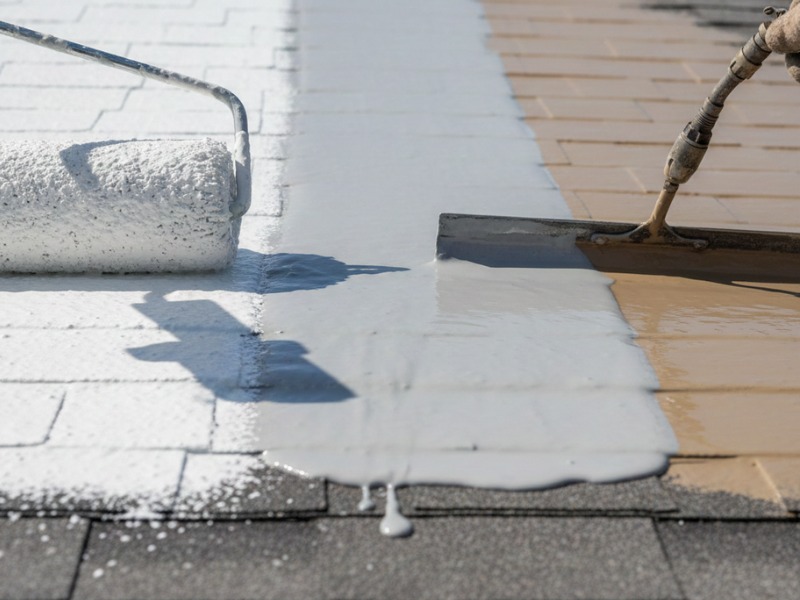
Common in Wildwood, Eureka, and Chesterfield.
Benefits:
-
UV resistance
-
Cost-effective
-
Reflective
-
Easy maintenance
Silicone Coatings
Ideal for homes in Washington, Union, and Pacific that experience ponding water, these coatings work exceptionally well on modified bitumen roofing washington, mo so homeowners frequently install on low-slope applications
Benefits:
-
Superior moisture resistance
-
Flexible
-
Long-lasting
Polyurethane Coatings
Perfect for hail-prone regions.
Benefits:
-
Strong impact resistance
-
Excellent durability
-
Chemical resistance
Asphalt-Based Coatings
Often used for older or low-slope roofs needing a heavier protective layer.
Roof Coating Application Process
A high-quality installation requires expertise and careful preparation. RC Roofing follows nationally recommended practices from the National Roofing Contractors Association (NRCA) for consistent results.
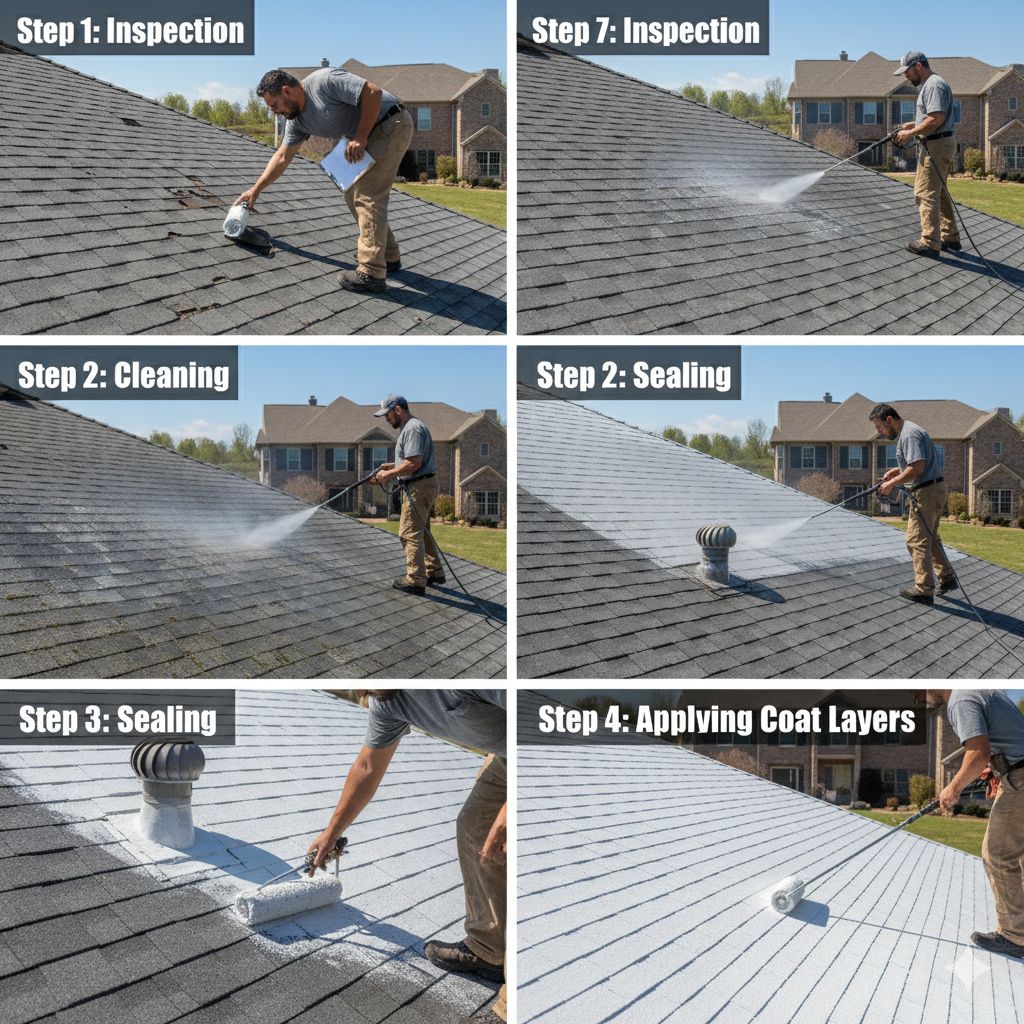
1. Roof Coating Inspection and Evaluation
We check:
-
Structural stability
-
Moisture penetration
-
Existing materials
-
Surface condition
A proper roof coating inspection ensures the system will adhere properly.
2. Cleaning and Preparation
Includes:
-
Pressure washing
-
Removing debris
-
Resealing seams and flashing
3. Base Layer Application
A primer or base coat helps the coating bond securely.
4. Final Coating Application
Multiple layers may be applied to ensure thickness and durability.
5. Curing and Inspection
After curing, the roof becomes a seamless shield against water, UV rays, and weather damage.
Common Problems Roof Coating Repairs Can Solve
-
Small leaks
-
Surface cracking
-
UV damage
-
Granule loss
-
Minor blistering
-
Ponding water
-
General aging and wear
This makes it a great option for homes dealing with long-term exposure to Missouri’s climate.
Roof Coating Repairs vs. Full Roof Replacement
Choose Coating Repairs When:
-
Structure is still solid
-
You want to save money
-
You prefer eco-friendly restoration
-
You want fast, long-lasting results
Choose Replacement When:
-
Decking is damaged
-
Severe leaks exist
-
Shingles are missing or broken
-
Roof is past its service life
RC Roofing provides professional evaluation to help you decide confidently.
How Long Do Roof Coatings Last?
Most coating systems last 10–20 years depending on:
-
Material type
-
Preparation quality
-
Climate exposure
-
Roof design
-
Maintenance schedule
Homes in Washington, Wildwood, and Town & Country often experience longer roof life with consistent care.
Maintenance Tips After Roof Coating Repairs
To get the best results:
-
Schedule annual inspections
-
Keep gutters clean
-
Remove storm debris
-
Address small issues early
-
Recoat when recommended
Proper upkeep preserves performance and longevity.
Frequently Asked Questions (FAQ)
1. How long do roof coating repairs last?
Most coatings last 10–20 years with proper maintenance and inspections.
2. Can roof coatings stop leaks?
Yes—roof coatings seal seams, cracks, nail holes, and weak areas to prevent moisture intrusion.
3. Is roof coating cheaper than replacement?
Absolutely. Coatings cost significantly less because the existing roof stays in place.
4. Will coatings work on shingle roofs?
Yes, if shingles are stable and not severely damaged.
5. Do coatings improve energy efficiency?
Reflective coatings reduce heat transfer, lowering indoor temperatures and utility bills.
6. How do I know if my roof is suitable?
A professional roof coating inspection is required to evaluate roof condition and compatibility.
7. What coating works best for modified bitumen roofing in Washington, MO?”
Silicone and acrylic coatings both perform excellently on modified bitumen systems, providing seamless waterproofing and UV protection.”
Conclusion
Roof coatings offer one of the smartest, most cost-effective ways to restore and protect your roof without full replacement. From UV protection to improved waterproofing and energy savings, roof coating repairs deliver long-lasting value for homeowners across Washington, Wildwood, Frontenac, Town & Country, Chesterfield, Eureka, Augusta, Union, and Pacific.
If you want to know whether coating or replacement is right for your home, schedule a roof coating inspection with RC Roofing. Our experts will guide you with trusted recommendations tailored to your roof’s age, structure, and condition.