Homeowners in Washington, Wildwood, Frontenac, Town and Country, Chesterfield, Eureka, Augusta, Union, and Pacific are no strangers to severe weather. Whether it is straight line winds sweeping through the valley, heavy rain overwhelming gutters, hail hitting rooftops, or seasonal storms rolling across the Missouri hills, storm damage can strike without warning. When this happens, understanding the storm damage restoration process can make the experience far less stressful.
A major storm can leave behind roof leaks, missing shingles, damaged gutters, fallen debris, and structural concerns that require immediate attention. But for many homeowners, the steps that follow storm damage are unfamiliar. Knowing what to expect from the moment you notice damage until the final repair is complete helps you make informed decisions and feel more confident during the recovery.
RC Roofing works with homeowners throughout the Washington and Greater St. Louis West County region to restore roofs after storms. We have seen how overwhelming the aftermath can feel, especially for families navigating insurance, timelines, safety concerns, and next steps. This guide breaks down each stage of the storm damage restoration so you know exactly what to expect after severe weather impacts your home.
Why Understanding the Storm Damage Restoration Matters
Storm damage can be unpredictable, and the repairs required can vary widely depending on the severity of the weather event. When homeowners understand the steps involved, they are better equipped to:
- Protect their property quickly
- Prevent additional damage
- Work smoothly with insurance providers
- Communicate clearly with contractors
- Feel reassured about what is happening on their roof
A clear understanding of the storm damage restoration process puts homeowners in Washington, Wildwood, Frontenac, Town and Country, Chesterfield, Eureka, Augusta, Union, and Pacific in a stronger position to navigate repairs with confidence.
What Every Homeowner Should Do Immediately After a Storm
The first stage of the storm damage restoration starts with your actions right after the storm passes.
Here is what to do:
Stay safe
Avoid going onto the roof or near downed power lines, fallen branches, or damaged structures.
Document visible damage
Take photos or videos from the ground. Capture missing shingles, dents, debris, and water intrusion.
Check interior spaces
Inspect ceilings, attics, and upper-floor rooms for leaks or moisture.
Prevent additional water entry
If water is entering the home, place buckets and towels to reduce damage.
Call a professional roofer
RC Roofing can assess storm damage quickly and safely for homeowners in the region. The goal of these early steps is to gather evidence, prevent further damage, and stay safe until professional help arrives.
What to Expect During the Roof Inspection Stage
A professional inspection is one of the most important parts of the storm damage restoration process. Storm damage is not always obvious. Minor shingle displacement, granule loss, hairline cracks, and dented flashing can cause leaks later if not identified early.
During a typical inspection, your roofing professional will:
- Examine the entire roof surface
- Identify missing, curled, or torn shingles
- Check for hail impacts or bruising
- Inspect ridge caps and ventilation components
- Review flashing, chimneys, skylights, and valleys
- Look for loose or damaged gutters
- Inspect attic spaces for moisture or daylight penetration
RC Roofing has inspected thousands of roofs in Washington, Chesterfield, Eureka, and the surrounding areas. Our team uses trained eyes and specialized tools to catch even subtle damage that storms often leave behind.
The roof inspection helps determine the scope of damage, which guides the next steps of the storm damage restoration.
Filing an Insurance Claim: What Homeowners Need to Know
For many homeowners, insurance is a major part of the storm damage restoration process. If the damage is significant, filing a claim can help cover repair or replacement costs.
Here is how the insurance stage usually works:
1. Contact your insurance provider
Notify them of the storm and the potential roof damage.
2. Submit documentation
Photos, videos, inspection reports, and notes help strengthen your claim.
3. Schedule the adjuster visit
The insurance company will send an adjuster to assess damage.
4. RC Roofing may meet with your adjuster
Many homeowners in Washington and Wildwood request our presence during the adjuster meeting to ensure all storm impacts are properly identified.
5. Receive approval or next steps
Once the adjuster finalizes their assessment, the insurance provider will determine coverage.
Understanding insurance helps homeowners move through the storm damage restoration more efficiently and with clarity.
Temporary Protection and Emergency Measures
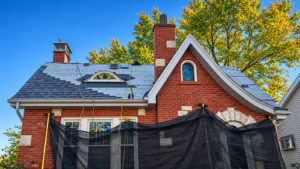
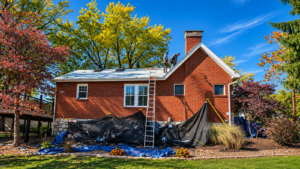
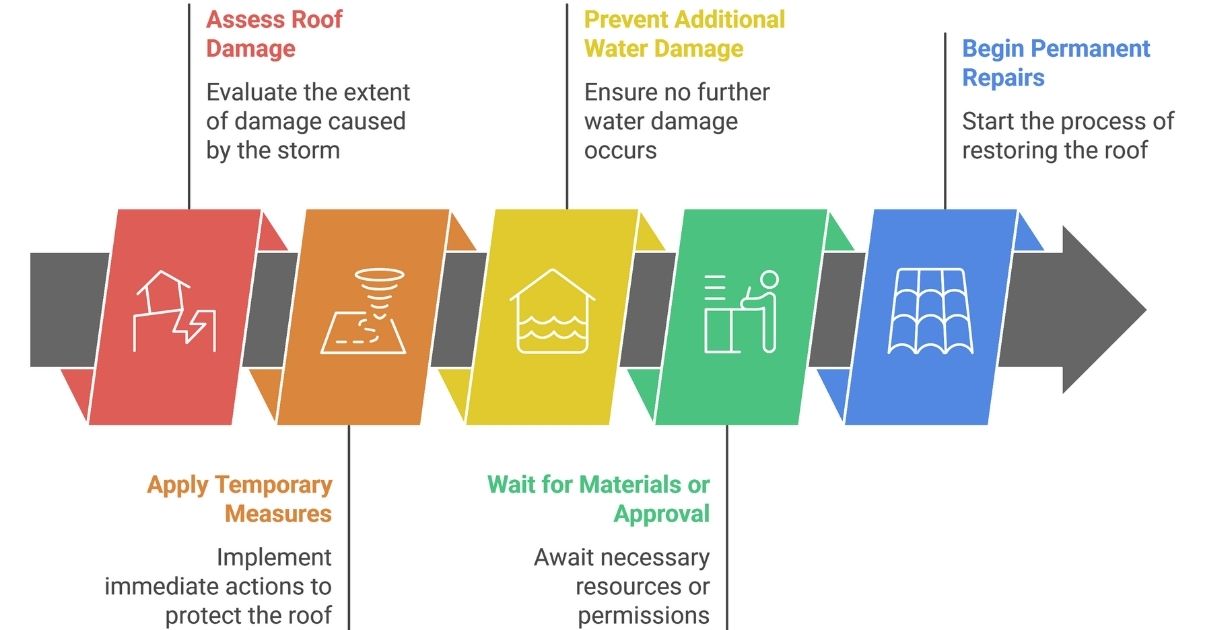
Severe storms can leave roofs vulnerable. Before permanent repairs begin, your contractor may need to apply temporary measures to protect the home. These steps prevent additional water damage while waiting for materials or insurance approval.
Common emergency actions include:
- Tarping exposed areas
- Securing lifted shingles
- Covering broken vents
- Removing hazardous debris
- Stabilizing loose gutters
These early steps protect the home and buy time while the full storm damage restoration moves forward.
The Repair Plan: Understanding Your Next Steps
After the inspection and insurance approval, your roofing contractor will create a clear repair plan. This stage of the storm damage restoration outlines everything needed to restore the roof.
A thorough repair plan typically includes:
- Full or partial roof replacement needs
- Material selection such as shingles, underlayment, or flashing
- Decking replacement if moisture has penetrated
- Ventilation updates if needed
- Gutter repairs or replacement
- Estimated timeline and project sequence
For homeowners in Chesterfield, Town and Country, and Pacific, the roof repair plan helps set clear expectations about how the project will proceed.
Selecting Roofing Materials for Storm Restoration
Storm repairs often require replacing damaged materials with durable, storm-resistant options. Missouri weather can be harsh, so material selection is an important part of the storm damage restoration.
Common roofing materials include:
Architectural shingles
A popular choice for durability and longevity.
Impact-resistant shingles
Designed to withstand hail, ideal for areas like Washington and Wildwood.
Underlayment upgrades
Ice and water shields provide additional moisture protection.
Flashing replacement
Important around chimneys, vents, and valleys.
RC Roofing helps homeowners choose materials that improve both roof storm damage repair
strength and long-term weather resistance.
Scheduling and Preparing for Repairs
Once materials are selected, the next phase of the storm damage restoration process is scheduling the project. Weather, material availability, and insurance timelines all play a role.
Homeowners can prepare by:
- Clearing driveways for equipment
- Moving outdoor furniture or fragile items
- Keeping pets and children indoors
- Communicating any special concerns with the crew
RC Roofing works hard to minimize disruption for families in Washington, Union, Augusta, and surrounding areas.
What Happens During the Roof Repair or Replacement
The repair or replacement portion is the most active stage of the storm damage restoration.
Here is what typically occurs:
Tear-off phase
Damaged shingles and underlayment are removed.
Decking inspection
Any rotted or compromised boards are replaced.
Underlayment installation
A fresh moisture barrier is applied.
Shingle installation
New roofing materials are installed row by row.
Flashing and ventilation updates
Critical areas are sealed and improved for long-term performance.
Final sealing and cleanup
The crew removes debris, performs a magnetic nail sweep, and ensures the yard is safe.
RC Roofing crews are trained to work efficiently, respectfully, and safely on homes across the region.
Final Inspection and Quality Assurance
No restoration is complete without a final inspection. The last stage of the storm damage restoration ensures every part of the repair was completed correctly.
Your contractor will:
- Inspect the final installation
- Confirm flashing and sealing
- Ensure all vents are functioning
- Check cleanup and debris removal
- Verify workmanship quality
RC Roofing takes this final inspection seriously, ensuring homeowners feel fully confident in the integrity of their roof.
Preventing Future Storm Damage
Maintenance plays an important role after completing the storm damage restoration.
To keep your roof storm damage repair
- Schedule yearly inspections
- Clean gutters before storms
- Look for shingle lifting after heavy winds
- Trim nearby trees
- Monitor attic ventilation
Small preventative steps can reduce the risk of severe damage during future weather events.
Common Mistakes Homeowners Make After Storms
Avoiding these mistakes can make the storm damage restoration much smoother:
- Delaying inspections
- Attempting DIY repairs
- Climbing onto the roof
- Ignoring early warning signs
- Hiring unlicensed or out-of-town contractors
Staying proactive protects both your home and your budget.
Final Thoughts on the Storm Damage Restoration
Storm damage repairs can feel overwhelming, but understanding the storm damage restoration process helps homeowners make smart, confident decisions. Each stage from inspection to insurance to repairs plays a critical role in restoring your home safely and effectively.
Homeowners in Washington, Wildwood, Frontenac, Town and Country, Chesterfield, Eureka, Augusta, Union, and Pacific can always count on clear communication, dependable workmanship, and local expertise when navigating storm repairs.
If you ever need guidance, reassurance, or professional help after a storm, RC Roofing is always ready to support you. Contact RC Roofing anytime for expert inspections, honest assessments, and reliable storm restoration services.
FAQs
1. How long does the storm damage restoration process take?
Most repairs take 1–3 days once materials are ready. Insurance approval can add additional time.
2. Will insurance cover all roof storm damage ?
Coverage depends on policy terms and the type of storm damage. Most policies cover hail, wind, and debris damage.
3. What if I only see minor damage?
Small issues often hide bigger problems. Always schedule a professional inspection.
4. Can I choose any shingles for my replacement?
Yes, but impact-resistant and architectural shingles are recommended for Missouri’s storm patterns.
5. Should I wait for another storm season before repairing?
No. Waiting increases the risk of leaks, molding, and structural issues.
6. Do I need to be home during the inspection?
It’s helpful but not required. Most homeowners prefer being present.