You check your ceiling on a sunny day—everything looks perfectly fine. No stains, no dripping, no warning signs. But then a heavy storm rolls through Washington, Wildwood, Chesterfield, or nearby areas… and suddenly, there it is.
A leak.
If you’ve experienced roof leaks during heavy rain, you’re not alone—and more importantly, it’s not something you should ignore.
At RC Roofing in Washington, MO, we hear this exact concern from homeowners across Frontenac, Town & Country, Eureka, Augusta, Union, and Pacific. A roof that only leaks during intense rainstorms might seem like a minor issue—but in reality, it’s often an early warning sign of a bigger problem.
Why Roof Leaks Only Show Up During Heavy Rain
It might seem strange—why would your roof leak only during heavy rain and not during light showers?
The answer comes down to volume, pressure, and exposure time.
When rain is light, water may not be entering your roof system fast enough to cause visible leakage. But during a storm, water builds up, flows aggressively, and finds its way through even the smallest vulnerabilities.
That’s why roof leaks during heavy rain are often a sign of hidden weaknesses—not necessarily obvious damage.
The Most Common Causes of Roof Leaks During Heavy Rain
Let’s break down the real reasons homeowners experience roof leaks during heavy rain.
1. Compromised or Aging Shingles
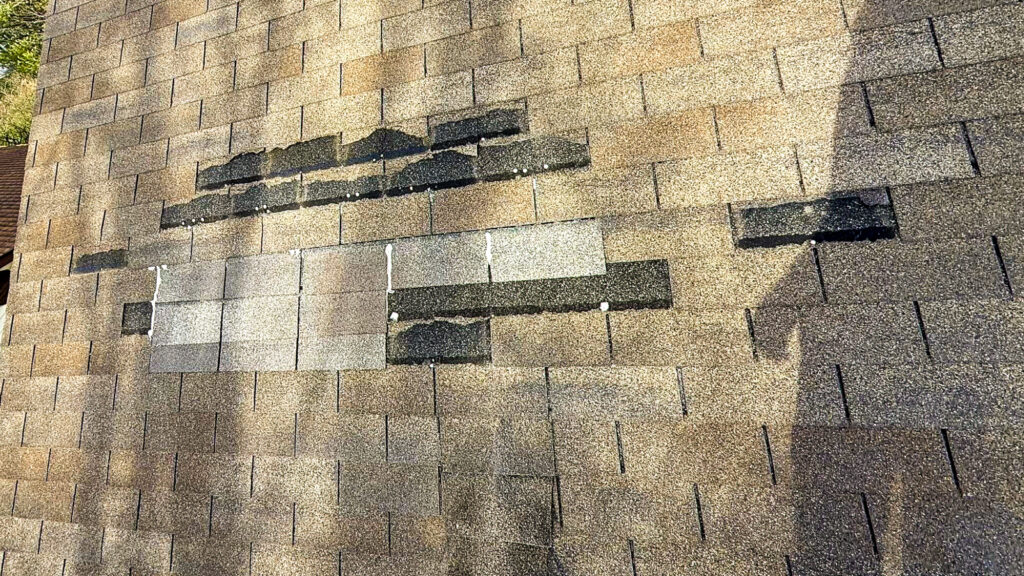
Shingles are your roof’s first line of defense. Over time, they wear down due to weather exposure, UV rays, and aging.
When shingles crack, curl, or lose granules, they become less effective at shedding water—especially during intense storms.
This is one of the leading causes of roof leaks during heavy rain in Missouri homes.
- Damaged or Improper Flashing
Flashing is installed around roof penetrations like chimneys, vents, and skylights. Its job is to direct water away from these vulnerable areas.
If flashing is loose, cracked, or improperly installed, water can seep in during heavy rain.
Many cases of roof leaks during heavy rain can be traced back to flashing issues.
- Clogged Gutters and Poor Drainage
When gutters are clogged with leaves and debris, water can’t flow away from your roof properly.
Instead, it backs up and pools—eventually finding its way under shingles or into seams.
This buildup is a major contributor to roof leaks during heavy rain, especially during prolonged storms.
4. Roof Valleys Under Stress
Roof valleys are where two slopes meet, and they handle a large volume of water during storms.
If the valley isn’t properly sealed or has worn materials, it can allow water to penetrate.
This is a high-risk area for roof leaks during heavy rain.
5. Nail Pops and Small Penetrations
Nails can loosen over time due to expansion and contraction caused by temperature changes.
These tiny openings may not leak during light rain—but under heavy rainfall, water can seep through.
This subtle issue is a surprisingly common cause of roof leaks during heavy rain.
6. Worn Sealants Around Roof Features
Sealants around vents, skylights, and flashing degrade over time.
When heavy rain hits, these weakened seals allow water to enter your roof system.
Another hidden culprit behind roof leaks during heavy rain.
7. Wind-Driven Rain
Storms in Washington, MO often include strong winds that push rain sideways.
This wind-driven rain can force water underneath shingles and into areas that are normally protected.
This is why some homeowners only experience roof leaks during heavy rain, not during calm weather.
Why You Should Never Ignore a Leak (Even If It’s “Occasional”)
It’s easy to dismiss a leak that only appears during heavy storms—but that’s a mistake.
Even occasional roof leaks during heavy rain can lead to:
- Interior water damage
- Mold and mildew growth
- Insulation damage
- Structural wood rot
- Increased repair costs over time
What starts as a small issue can quickly become a major problem.
How RC Roofing Diagnoses Roof Leaks During Heavy Rain
At RC Roofing in Washington, MO, we don’t guess—we investigate.
When homeowners call us about roof leaks during heavy rain, we perform a thorough inspection that includes:
- Evaluating shingles and roof surface
- Inspecting flashing and sealants
- Checking attic spaces for moisture intrusion
- Examining gutters and drainage systems
- Identifying weak points where water may enter
Our goal is to find the root cause—not just treat the symptom.
Repair vs Replacement: What Do You Really Need?
Not every leak requires a full roof replacement.
In many cases, roof leaks during heavy rain can be resolved with targeted repairs, such as:
- Replacing damaged shingles
- Resealing flashing and penetrations
- Fixing drainage issues
- Addressing minor structural concerns
However, if your roof is older or has widespread damage, replacement may be the more cost-effective long-term solution.
Why Missouri Weather Makes This Problem Worse
Homeowners in Washington, Wildwood, Frontenac, Town & Country, Chesterfield, Eureka, Augusta, Union, and Pacific face a variety of weather challenges:
- Heavy rainstorms
- High winds
- Hail
- Temperature swings
These conditions accelerate wear and tear, making roof leaks during heavy rain more likely over time.
Warning Signs to Watch For
Even if you haven’t noticed active leaks, keep an eye out for:
- Water stains on ceilings or walls
- Musty odors in the attic
- Peeling paint or bubbling drywall
- Missing or damaged shingles
- Granules in gutters
These signs often indicate underlying issues that can lead to roof leaks during heavy rain.
How to Prevent Roof Leaks During Heavy Rain
Prevention is always more affordable than repair.
Here’s how to reduce your risk of roof leaks during heavy rain:
Schedule Regular Inspections
Annual inspections catch small issues early.
Keep Gutters Clean
Proper drainage prevents water buildup.
Address Minor Repairs Quickly
Don’t wait for problems to worsen.
Maintain Sealants and Flashing
Ensure vulnerable areas stay watertight.
The Cost of Waiting
Delaying repairs might seem like a way to save money—but it often leads to higher costs.
Ignoring roof leaks during heavy rain can result in:
- Larger repair bills
- Interior damage
- Mold remediation costs
- Reduced home value
Acting early is always the smarter financial decision.
Why Homeowners Trust RC Roofing
RC Roofing has built a reputation across Washington, MO and surrounding areas for:
- Honest assessments
- Quality workmanship
- Long-term solutions
We understand the unique challenges of Missouri weather and know how to fix roof leaks during heavy rain the right way.
Final Thoughts: Don’t Wait for the Next Storm
If your roof only leaks during heavy rain, it’s not a random issue—it’s a warning sign.
Addressing roof leaks during heavy rain early can save you time, money, and stress.
Your roof is your home’s first line of defense. Make sure it’s ready for whatever the weather brings.
Schedule Your Roof Inspection Today
If you’ve noticed roof leaks during heavy rain, now is the time to act.
Contact RC Roofing in Washington, MO today for a professional inspection and expert recommendations.
We’ll help you protect your home, prevent further damage, and restore your peace of mind.