Hot spots and cold drafts, rising costs and thermostat fights — is your roof secretly making your energy bills climb higher every month? For many Missouri homeowners, the answer is surprisingly yes. If your home constantly feels too hot in summer or too chilly during winter, your roof may be working against you instead of protecting your comfort.
Across Washington, Wildwood, Frontenac, Town & Country, Chesterfield, Eureka, Augusta, Union, and Pacific, homeowners are paying closer attention to how their roofing system affects monthly utility costs. At RC Roofing & Contracting, we often hear the same question: “Can energy efficient roofing really make a noticeable difference?”
The short answer is absolutely.
Today’s roofing systems do far more than keep rain out. Modern roofing materials are designed to improve insulation, reflect heat, regulate indoor temperatures, and reduce the strain on HVAC systems throughout the year. When installed properly, energy efficient roofing can help homeowners save money, improve comfort, and even extend the life of their heating and cooling equipment.
Let’s break down how it works and why more Missouri homeowners are upgrading their roofs with energy savings in mind.
Why Energy Bills Are Rising for Missouri Homeowners
Many homeowners assume rising energy costs are only caused by utility rate increases. While that’s part of the equation, an outdated roof can also contribute heavily to higher monthly bills.
Missouri weather is unpredictable. Summers bring intense humidity and heat, while winters can deliver freezing temperatures, snow, and icy winds. That constant temperature swing puts stress on roofing systems year-round.
Older roofs often struggle with:
- Poor attic ventilation
- Worn insulation barriers
- Heat absorption
- Air leaks
- Moisture buildup
- Aging roofing materials
As a result, heating and cooling systems work overtime just to maintain comfortable indoor temperatures.
According to ENERGY STAR® Roofing Information, cool roofing products can help reduce roof surface temperatures significantly, helping lower indoor cooling demand during hot weather.
For homeowners in Chesterfield, Wildwood, and Washington, that can translate into noticeable savings during Missouri’s hottest months.
What Is Energy Efficient Roofing?
Energy efficient roofing refers to roofing systems specifically designed to reduce heat transfer and improve a home’s overall thermal performance.
Instead of trapping excessive heat, modern roofing materials help regulate indoor temperatures more effectively.
An energy efficient roofing system may include:
- Reflective shingles
- Cool roof coatings
- Proper attic ventilation
- Advanced underlayment
- Insulation improvements
- Energy-saving metal roofing
- Solar-reflective materials
The goal is simple: keep homes cooler in summer, warmer in winter, and reduce HVAC workload throughout the year.
How Energy Efficient Roofing Actually Lowers Utility Bills
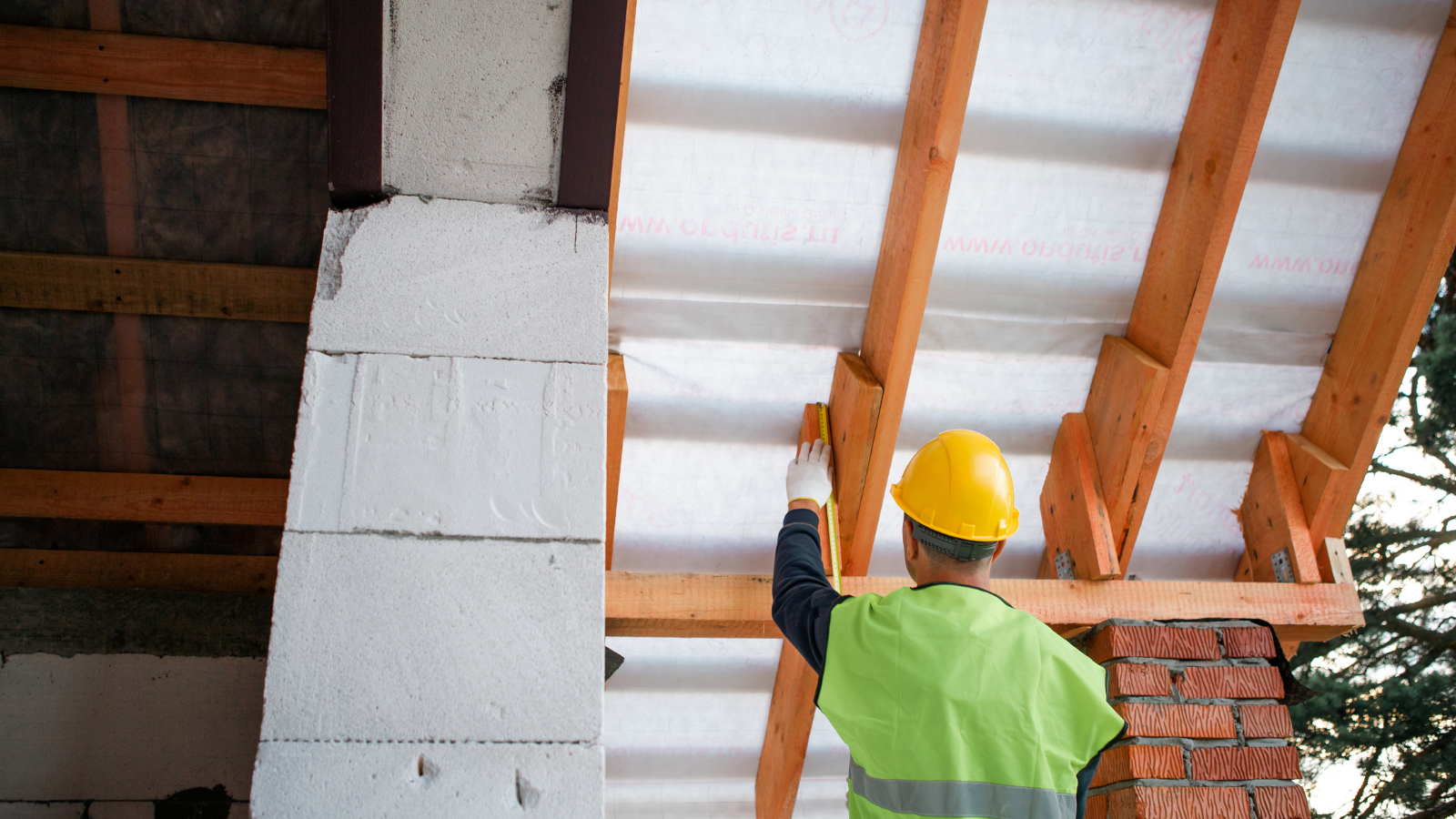
Many homeowners are surprised to learn just how much heat enters through the roof.
Your roof receives direct sunlight all day long. Traditional dark roofing materials absorb large amounts of solar heat, which then transfers into the attic and living spaces below.
This forces your air conditioner to work harder.
Energy efficient roofing helps interrupt that cycle.
Better Heat Reflection
Modern roofing materials are designed to reflect more sunlight instead of absorbing it.
Reflective shingles and cool roof systems reduce heat buildup dramatically.
Based to U.S. Department of Energy Cool Roof Guide, cool roofs can stay significantly cooler than traditional roofing surfaces under direct sunlight.
That temperature difference matters during Missouri summers.
Improved Ventilation
A properly ventilated roof allows trapped attic heat to escape instead of circulating throughout the home.
Without ventilation, attic temperatures can become dangerously high.
Reduced HVAC Strain
When indoor temperatures remain more stable, heating and cooling systems cycle less frequently.
That often leads to:
- Lower energy consumption
- Reduced monthly bills
- Longer HVAC lifespan
- Improved indoor comfort
For many homeowners, the savings become noticeable almost immediately after installation.
Signs Your Current Roof May Be Wasting Energy
Many homeowners do not realize their roof is contributing to energy inefficiency.
Here are common warning signs.
Your Upstairs Feels Much Hotter
If second-floor rooms feel uncomfortable during summer, poor roof ventilation or heat absorption may be the cause.
Energy Bills Keep Climbing
Even with moderate thermostat use, older roofing systems can increase cooling costs significantly.
Your HVAC Runs Constantly
A roof that traps heat forces cooling systems to work harder for longer periods.
Your Roof Is Over 15 Years Old
Older materials often lack modern energy-saving technology.
You Notice Poor Attic Airflow
Hot, humid attic conditions usually signal ventilation problems.
A professional inspection from RC Roofing & Contracting can help determine whether your current roof is contributing to unnecessary energy loss.
Best Roofing Materials for Energy Efficiency
Not all roofing materials perform the same when it comes to energy savings.
Here are some of the most effective options for Missouri homeowners.
Metal Roofing
Metal roofing has become increasingly popular for energy efficient roofing upgrades.
Modern metal roofs reflect solar heat extremely well and often include specialized coatings for improved thermal performance.
Benefits include:
- Excellent heat reflection
- Long lifespan
- Lower cooling costs
- Durability during storms
- Reduced maintenance
Metal roofing also performs well during Missouri’s harsh weather conditions.
Architectural Shingles With Reflective Technology
Today’s asphalt shingles are much more advanced than older versions.
Many modern shingles include reflective granules designed to reduce solar heat absorption.
These shingles provide a balance between affordability and energy savings.
Cool Roof Systems
Cool roofing materials are engineered specifically for maximum solar reflectance.
They help reduce roof surface temperatures significantly during summer.
Synthetic Roofing Materials
Some synthetic roofing systems are designed with energy performance in mind while mimicking traditional materials like slate or wood shake.
Energy Efficient Roofing and Missouri Weather
Missouri homeowners face unique climate challenges.
Unlike some states that only deal with heat or cold, Missouri homes experience both extremes.
That makes energy efficient roofing especially valuable.
Summer Heat in Washington and Chesterfield
High humidity and prolonged heat waves place heavy stress on air conditioning systems.
Reflective roofing materials help reduce indoor heat buildup.
Winter Conditions in Eureka and Union
Cold temperatures increase heating demand.
Proper insulation and ventilation help reduce heat loss during winter.
Storm Resistance Across Missouri
Energy-efficient materials are often more durable as well.
Modern roofing systems can better withstand:
- Hailstorms
- High winds
- Heavy rain
- Freeze-thaw cycles
That added durability can help homeowners avoid costly repairs later.
Does Roof Color Affect Energy Efficiency?
Absolutely.
Roof color plays a major role in heat absorption.
Dark Roofs
Dark shingles absorb more solar heat, which increases attic temperatures.
Light-Colored Roofs
Lighter roofing materials reflect more sunlight and help reduce cooling costs.
However, today’s roofing technology has evolved beyond simple color choices. Many modern dark-colored shingles now include reflective granules that improve energy performance significantly.
That means homeowners no longer need to sacrifice curb appeal for efficiency.
How Proper Ventilation Improves Energy Savings
One of the most overlooked parts of energy efficient roofing is attic ventilation.
Without proper airflow, heat and moisture become trapped inside the attic.
This creates several problems:
- Increased cooling costs
- Premature shingle aging
- Mold growth
- Ice dam risks
- Poor indoor comfort
A balanced roofing system includes both intake and exhaust ventilation.
Federal Housing Administration Ventilation Guidelines stated that proper attic ventilation is essential for maintaining roof performance and moisture control.
For homeowners in humid Missouri climates, ventilation can dramatically improve long-term roofing performance.
Can a New Roof Increase Home Value Too?
Yes, and that’s another reason many homeowners invest in energy efficient roofing.
Buyers increasingly look for homes with:
- Lower utility costs
- Modern roofing systems
- Better insulation
- Energy-saving upgrades
- Reduced maintenance concerns
A new roof often improves curb appeal while also becoming a strong selling point during real estate transactions.
Homebuyers appreciate knowing the home is more energy-efficient and less likely to require major repairs soon.
Comparing Traditional Roofing vs Energy Efficient Roofing
| Feature | Traditional Roofing | Energy Efficient Roofing |
| Heat Reflection | Low | High |
| Cooling Cost Reduction | Minimal | Significant |
| Indoor Comfort | Moderate | Improved |
| HVAC System Strain | Higher | Lower |
| Ventilation Performance | Basic | Optimized |
| Energy Savings | Limited | Strong |
| Roof Lifespan | Standard | Often Longer |
| Sustainability | Lower | Higher |
How Much Can Homeowners Actually Save?
Savings vary depending on:
- Roof size
- Roofing material
- Insulation quality
- Ventilation
- Home design
- Local climate
However, many homeowners notice reduced cooling costs after upgrading to energy efficient roofing.
Some homeowners also report:
- More consistent indoor temperatures
- Reduced humidity issues
- Better sleep comfort upstairs
- Lower HVAC maintenance needs
The exact savings depend on the overall condition of the home, but roofing upgrades often provide long-term financial value.
Why Cheap Roofing Can Cost More Later
One of the biggest mistakes homeowners make is focusing only on upfront roofing cost.
Cheap roofing materials may initially save money, but they often lead to:
- Higher utility bills
- Faster deterioration
- Increased repairs
- Poor ventilation
- Shorter roof lifespan
Energy efficient roofing may cost slightly more initially, but it often reduces long-term ownership expenses.
For many homeowners, the long-term value far outweighs the upfront investment.
Roofing Insulation Matters Too
Roofing materials alone cannot solve every energy problem.
Insulation plays a major role as well.
Even the best roofing system struggles if attic insulation is outdated or insufficient.
Proper insulation helps:
- Prevent heat transfer
- Improve HVAC efficiency
- Reduce drafts
- Stabilize indoor temperatures
A complete roofing evaluation should include insulation and ventilation analysis for the best results.
Common Myths About Energy Efficient Roofing
Myth #1: It Only Helps During Summer
Energy efficient roofing improves performance year-round, including during winter.
Myth #2: It’s Only for New Homes
Existing homes benefit greatly from roofing upgrades.
Myth #3: Metal Roofs Make Homes Hotter
Modern metal roofing actually reflects heat extremely effectively.
Myth #4: Energy Savings Are Too Small to Matter
Over time, even moderate monthly savings add up significantly.
What Homeowners in Missouri Should Look For
If you are considering a roofing upgrade, focus on more than appearance.
Ask roofing contractors about:
- Reflective roofing materials
- Ventilation improvements
- Insulation recommendations
- Energy-efficient shingle options
- Warranty protection
- Storm resistance
At RC Roofing & Contracting, we help homeowners choose roofing systems designed specifically for Missouri weather conditions and long-term energy performance.
The Connection Between Roof Age and Energy Loss
Older roofs lose efficiency gradually.
Over time, shingles crack, ventilation weakens, and insulation performance declines.
Many homeowners adapt slowly to rising utility bills without realizing the roof is partially responsible.
If your roof is approaching 15 to 20 years old, it may no longer provide efficient thermal protection.
An inspection can help determine whether replacement makes financial sense.
Why Local Roofing Experience Matters
Missouri homes face roofing challenges that contractors in other regions may not fully understand.
Local roofing expertise matters because contractors understand:
- Missouri storm patterns
- Humidity effects
- Freeze-thaw damage
- Ventilation needs
- Regional building styles
At RC Roofing & Contracting, we work with homeowners across Washington, Wildwood, Frontenac, Town & Country, Chesterfield, Eureka, Augusta, Union, and Pacific to recommend roofing systems that perform well in local conditions.
Should You Replace Your Roof for Energy Savings Alone?
Sometimes yes, but usually homeowners benefit most when multiple concerns already exist.
A roof replacement often makes sense when:
- Utility bills are rising
- The roof is aging
- Repairs are becoming frequent
- Storm damage exists
- Ventilation problems are present
- Comfort issues continue
Instead of viewing roofing only as a repair expense, many homeowners now see it as a long-term investment in comfort, efficiency, and property value.
How to Maximize Energy Efficiency After Roof Replacement
A new roof works best when combined with smart home efficiency practices.
Homeowners should also consider:
- Attic insulation upgrades
- Sealing air leaks
- Energy-efficient windows
- Smart thermostats
- HVAC maintenance
Together, these improvements can create major energy savings over time.
Final Thoughts
For many Missouri homeowners, the answer is absolutely yes.
Energy efficient roofing does far more than improve appearance. It helps regulate indoor temperatures, reduce HVAC strain, improve comfort, and lower monthly utility expenses throughout the year.
In a state like Missouri where homes experience both scorching summers and freezing winters, roofing performance matters more than many homeowners realize.
If your roof is aging, your upstairs feels uncomfortable, or your utility bills keep climbing, it may be time to explore whether a roofing upgrade could help.
A better roof does more than cover your home. It helps your entire house perform better every single day.