Leaks and Streaks, Cracks and Creaks — Is Your Roof Trying to Tell You Something?
Leaks and streaks, cracks and creaks, missing tabs and weathered peaks — is your roof quietly warning you about expensive damage ahead? Many homeowners only think about their roof when a leak appears in the ceiling or shingles start showing up in the yard after a storm. Unfortunately, by that point, a small issue may have already turned into a costly repair. One of the most common questions we hear at RC Roofing is: how often roof inspection services should actually be scheduled to protect a home without wasting money?
The answer depends on several factors, including your roof’s age, recent weather events, and the type of roofing materials protecting your home. However, one thing is certain: regular inspections can help homeowners in Washington, Wildwood, Frontenac, Town & Country, Chesterfield, Eureka, Augusta, Union, and Pacific avoid major roofing expenses and extend the life of their roofing systems.
Many people assume that if a roof is not leaking, everything must be fine. In reality, some roofing problems remain hidden for months or even years before becoming visible inside the home. Understanding how often roof inspection appointments should be scheduled can help homeowners catch issues early and make informed decisions about repairs, maintenance, and replacement planning.
Why Roof Inspections Matter More Than Most Homeowners Realize
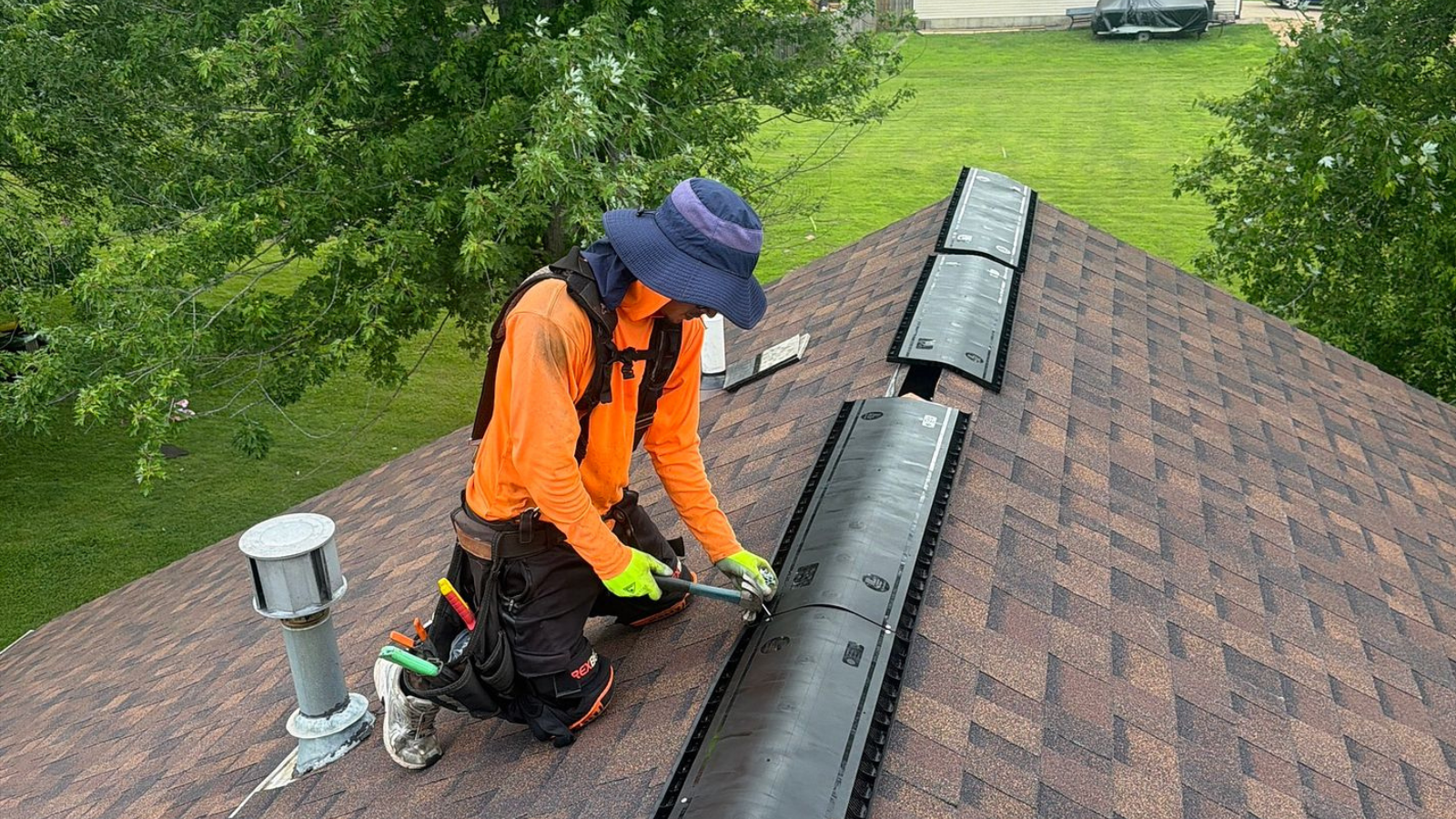
Your roof is exposed to every season Missouri throws at it.
From spring hailstorms and summer humidity to fall winds and winter ice, roofing systems endure constant stress. Even high-quality roofs experience wear over time.
The challenge is that most damage develops gradually.
A lifted shingle may seem harmless today. A small flashing gap might not cause immediate problems. However, when water begins working its way beneath roofing materials, damage can spread quickly.
Professional inspections help identify:
- Missing shingles
- Storm damage
- Flashing failures
- Ventilation issues
- Water intrusion
- Gutter concerns
- Structural weaknesses
- Aging roofing materials
When homeowners ask us about how often roof inspection services should be scheduled, we explain that regular evaluations help uncover these issues before they lead to expensive repairs.
The Biggest Mistake Homeowners Make
One of the most expensive roofing mistakes is assuming no visible leak means no roofing problem.
Many roofing failures begin silently.
Water can enter beneath shingles and affect:
- Roof decking
- Insulation
- Attic spaces
- Structural framing
- Drywall
- Electrical systems
By the time stains appear on ceilings, the problem may have existed for months.
This is why understanding how often roof inspection appointments should occur is so important. Inspections are not just about finding leaks. They are about preventing them.
So, How Often Should You Really Schedule a Roof Inspection?
For most homeowners, the general recommendation is simple:
Twice Per Year
A professional inspection in the spring and another in the fall provides a strong maintenance schedule for most homes.
Spring inspections help identify damage caused by winter weather.
Fall inspections prepare your roof for snow, ice, freezing temperatures, and harsh winter conditions.
This schedule allows roofing professionals to catch seasonal damage before it worsens.
When discussing how often roof inspection services are needed, twice per year is usually the safest approach for Missouri homeowners.
Why Missouri Weather Makes Roof Inspections Essential
Missouri weather is unpredictable.
Homes throughout Washington, Chesterfield, Wildwood, and surrounding communities face a combination of weather conditions that can accelerate roof wear.
These include:
Hailstorms
Even small hailstones can damage shingles and reduce their lifespan.
High Winds
Strong winds may loosen shingles, flashing, and ridge caps.
Heavy Rainfall
Persistent moisture can expose weaknesses in roofing systems.
Snow and Ice
Winter weather creates opportunities for ice dams and water intrusion.
Extreme Temperature Swings
Missouri often experiences dramatic temperature fluctuations that cause roofing materials to expand and contract repeatedly.
These conditions are one reason homeowners frequently ask about how often roof inspection services should be performed. Local weather simply places more stress on roofs than many homeowners realize.
Signs You Should Schedule an Inspection Immediately
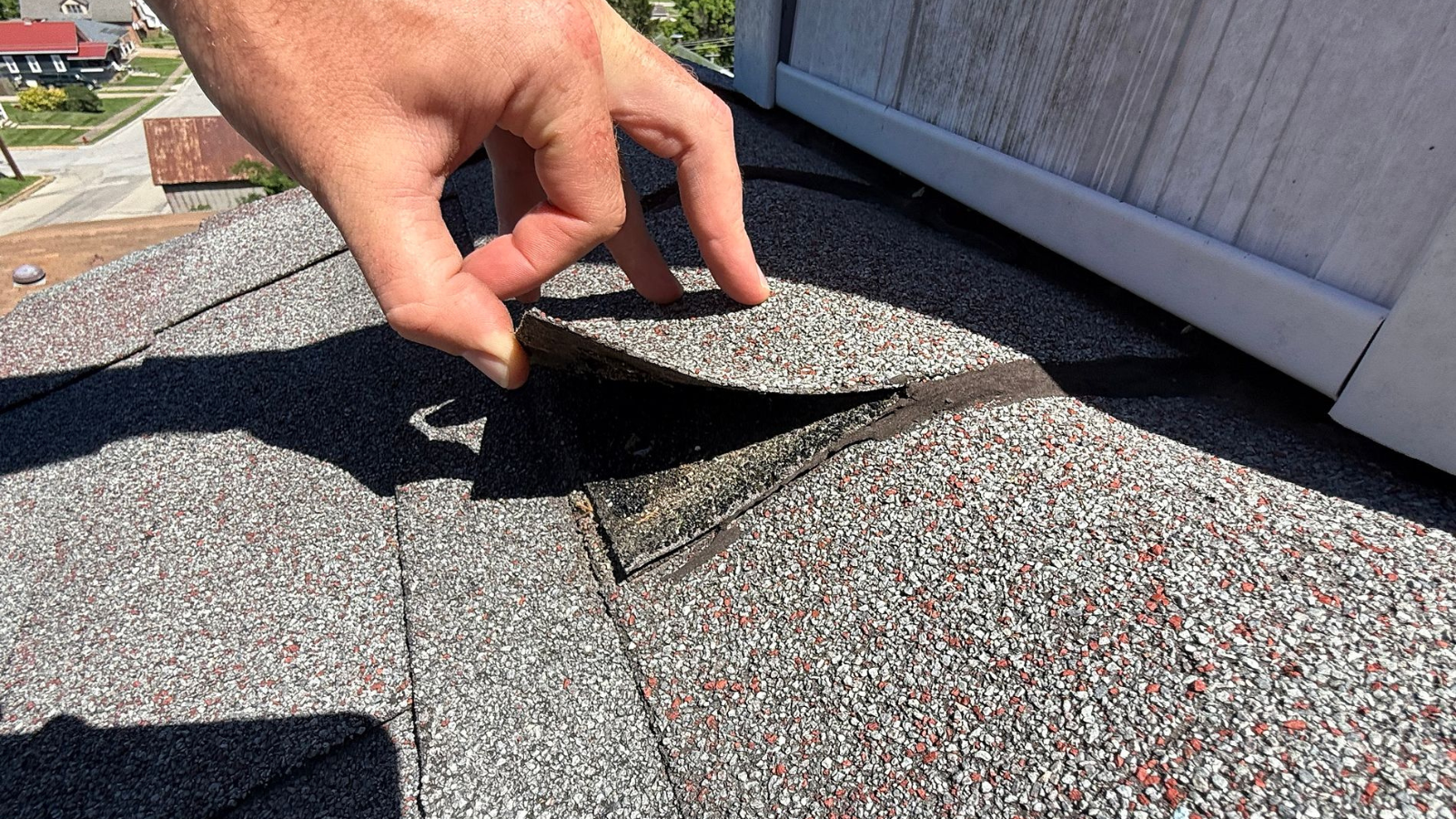
While routine inspections are important, some situations require immediate attention.
You should schedule an inspection if you notice:
- Water stains on ceilings
- Missing shingles
- Sagging roof sections
- Granules in gutters
- Interior moisture issues
- Storm damage nearby
- Visible flashing problems
- Mold growth in the attic
In these cases, the question is no longer how often roof inspection appointments should occur. The answer is as soon as possible.
Waiting often increases repair costs.
Roof Age Plays a Major Role
Not all roofs require the same inspection schedule.
The age of your roof matters significantly.
New Roofs (0–5 Years)
New roofing systems generally require fewer concerns but should still receive routine evaluations.
Many homeowners mistakenly believe a new roof never needs inspection.
Even newer roofs can experience:
- Storm damage
- Installation issues
- Flashing problems
- Ventilation concerns
Annual or semiannual inspections remain valuable.
Mid-Life Roofs (6–15 Years)
This is often when small roofing problems begin developing.
Regular inspections become increasingly important during this stage.
When discussing how often roof inspection services should occur for mid-life roofs, twice-yearly evaluations are strongly recommended.
Older Roofs (15+ Years)
Older roofs deserve closer monitoring.
Materials naturally deteriorate with age.
For aging roofing systems, inspections may be recommended after every major storm event in addition to routine annual evaluations.
What Happens During a Professional Roof Inspection?
Many homeowners have never scheduled a professional roof evaluation and are unsure what to expect.
A roofing inspection typically includes:
Exterior Evaluation
The roofing contractor examines:
- Shingles
- Flashing
- Roof valleys
- Chimneys
- Skylights
- Ridge caps
- Roof penetrations
Attic Inspection
Attic inspections help identify:
- Moisture issues
- Ventilation concerns
- Mold growth
- Water intrusion
- Insulation problems
Gutter Assessment
Gutters provide important clues about roof health.
Inspectors often evaluate:
- Drainage performance
- Granule accumulation
- Debris buildup
- Water flow patterns
Understanding how often roof inspection appointments should occur becomes easier once homeowners realize how much information a thorough inspection provides.
Why Homeowners in Washington MO Benefit From Preventive Roofing Care
Many homeowners treat roofing issues as emergency problems.
Professional contractors see roofs differently.
The goal is prevention.
Preventive maintenance helps homeowners:
- Avoid emergency repairs
- Extend roof lifespan
- Reduce long-term costs
- Improve energy efficiency
- Protect property value
- Maintain warranty compliance
Regular inspections are one of the most affordable ways to protect a roofing investment.
The Cost of Skipping Inspections
Homeowners often ask whether inspections are really necessary if the roof appears fine.
Consider this comparison.
Small Flashing Repair
A minor flashing repair may cost a few hundred dollars.
Hidden Water Damage
If the issue goes unnoticed, it could eventually require:
- Roof decking replacement
- Insulation replacement
- Drywall repairs
- Mold remediation
- Structural repairs
The difference in cost can be thousands of dollars.
That is why understanding how often roof inspection services should be scheduled can save significant money over the life of a roof.
How Storm Damage Often Goes Undetected
One of the biggest misconceptions homeowners have is believing they will immediately notice storm damage.
In reality, hail and wind damage frequently remain hidden.
Common examples include:
Lifted Shingles
Shingles may loosen without fully detaching.
Hail Impacts
Small impact marks are difficult to spot from the ground.
Flashing Damage
Storms can shift flashing components without obvious visual signs.
Granule Loss
Granule loss often develops gradually after severe weather.
Professional inspections help identify these issues before they create larger roofing problems.
This is another reason how often roof inspection schedules should include evaluations after major storms.
Seasonal Roof Inspection Checklist
Different seasons create different roofing concerns.
Spring
Inspect for:
- Winter damage
- Ice dam effects
- Missing shingles
- Moisture concerns
Summer
Evaluate:
- Heat-related wear
- Ventilation performance
- UV damage
Fall
Prepare for:
- Falling debris
- Drainage issues
- Winter readiness
Winter
Monitor:
- Ice buildup
- Snow loads
- Interior leak signs
Each season offers unique reasons why homeowners should think carefully about how often roof inspection services fit into their maintenance routine.
Why Roof Inspections Protect Home Value
Your roof is one of the most valuable components of your home.
A neglected roof can significantly impact:
- Property value
- Curb appeal
- Buyer confidence
- Insurance claims
- Energy efficiency
For homeowners considering selling within the next few years, regular inspections create documentation showing responsible maintenance.
That documentation can be valuable during real estate transactions.
Common Roofing Problems Found During Routine Inspections
Many homeowners are surprised by the issues discovered during inspections.
Common findings include:
- Damaged flashing
- Ventilation deficiencies
- Loose shingles
- Nail pops
- Gutter problems
- Storm impacts
- Sealant deterioration
- Moisture intrusion
Most of these issues are inexpensive to address when caught early.
That is one reason how often roof inspection services should be discussed with a trusted roofing professional rather than guessed.
How Often Roof Inspection Schedules Should Change After Major Storms
While twice-yearly inspections are ideal for most homeowners, severe weather changes the equation entirely.
Missouri storms are notorious for producing strong winds, hail, torrential rain, and flying debris. Even when your roof appears intact from the ground, hidden damage may be lurking beneath the surface.
This is why professional roofers recommend scheduling an inspection after:
- Hailstorms
- Wind events exceeding 50 mph
- Fallen tree branches
- Tornado activity in the area
- Heavy ice accumulation
- Severe thunderstorms
Many homeowners in Washington, Chesterfield, Wildwood, and Eureka discover storm damage weeks or months after the weather event occurred.
When evaluating how often roof inspection services should be performed, major weather events should always trigger an additional inspection regardless of when your last appointment occurred.
Think of it this way: if your car was involved in an accident, you wouldn’t wait six months to have it checked. Your roof deserves the same attention after a storm.
Why Insurance Companies Appreciate Inspection Records
Most homeowners never think about insurance until they need it.
However, maintaining a documented inspection history can be beneficial if storm damage occurs.
Regular inspections provide:
- Date-stamped reports
- Roof condition documentation
- Maintenance records
- Photographic evidence
- Damage timelines
These records help establish whether damage was caused by a recent weather event or developed over time.
When homeowners ask how often roof inspection services should be scheduled, we often explain that inspection documentation may become valuable during future insurance claims.
A well-documented roof history helps eliminate uncertainty.
The Hidden Dangers of Waiting Too Long
One of the biggest misconceptions in roofing is the idea that problems announce themselves immediately.
Unfortunately, many roofing issues remain hidden for extended periods.
A tiny leak today can lead to:
- Saturated insulation
- Wood rot
- Mold growth
- Structural weakening
- Interior water damage
By the time homeowners notice visible symptoms, repairs are often much more extensive.
This is why understanding how often roof inspection services are necessary is not about creating work. It’s about preventing expensive surprises.
The earlier problems are discovered, the less expensive they usually are to fix.
Roof Inspections for Older Homes in Missouri
Older homes often require a different inspection strategy.
Homes in communities like Washington, Augusta, Union, and Pacific frequently feature roofing systems that have experienced decades of exposure to Missouri weather.
Older roofing systems face challenges such as:
- Aging shingles
- Deteriorating flashing
- Worn sealants
- Ventilation deficiencies
- Structural settling
For roofs over 15 years old, homeowners should strongly consider annual or semiannual inspections even if no visible issues exist.
When discussing how often roof inspection schedules should occur for aging roofs, the answer is almost always “more frequently.”
The older the roof becomes, the more valuable preventive monitoring becomes.
Why Ventilation Is a Bigger Deal Than Most Homeowners Think
Many roofing problems have nothing to do with storms.
Instead, they start inside the attic.
Poor attic ventilation can create serious issues such as:
- Excessive heat buildup
- Moisture accumulation
- Premature shingle aging
- Mold growth
- Higher utility bills
A roof may appear perfectly healthy from the outside while suffering from hidden ventilation problems underneath.
During professional inspections, roofing contractors evaluate:
Intake Ventilation
Allows fresh air to enter the attic.
Exhaust Ventilation
Allows hot, moist air to escape.
Balanced Airflow
Ensures the system functions properly.
This is another reason why homeowners asking how often roof inspection appointments should be scheduled benefit from professional evaluations instead of relying solely on visual observations.
DIY Roof Checks vs Professional Roof Inspections
Many homeowners perform occasional visual checks from the ground.
That’s a great habit.
However, DIY inspections have limitations.
From the ground, you may spot:
- Missing shingles
- Fallen debris
- Obvious storm damage
- Sagging areas
What you probably won’t see:
- Flashing failures
- Minor hail impacts
- Ventilation issues
- Hidden leaks
- Soft decking
- Sealant deterioration
Professional inspectors have the experience and equipment needed to identify subtle warning signs before they become serious problems.
When homeowners ask how often roof inspection services are necessary, we encourage combining regular self-monitoring with scheduled professional evaluations.
The two approaches work best together.
The Roof Maintenance Timeline Every Homeowner Should Follow
The exact schedule depends on roof age and condition, but the following timeline works well for many Missouri homes.
| Roof Age | Inspection Frequency |
| 0–5 Years | Every 1–2 Years |
| 6–15 Years | Once Per Year |
| 15–20 Years | Twice Per Year |
| 20+ Years | Every 6 Months |
| After Major Storms | Immediately |
This table provides a general guideline, but local weather conditions and roof type may require adjustments.
A trusted roofing professional can help determine how often roof inspection services should occur for your specific property.
Common Roof Inspection Myths That Cost Homeowners Money
Let’s address some common misconceptions.
Myth #1: No Leaks Means No Problems
Many roofing issues exist long before leaks appear.
Water often travels through hidden areas before becoming visible indoors.
Myth #2: New Roofs Don’t Need Inspections
Even new roofs can develop problems related to installation, storms, or ventilation.
Myth #3: Roof Inspections Are Only Necessary After Storms
Weather isn’t the only cause of roof damage.
Age, UV exposure, and poor ventilation also contribute.
Myth #4: Inspections Are Expensive
Routine inspections are usually far less expensive than major repairs.
When homeowners understand how often roof inspection services should be performed, they often realize inspections are one of the most affordable forms of preventive maintenance available.
How Trees Can Impact Roof Health
Homes throughout Wildwood, Town & Country, and Frontenac often feature beautiful mature trees.
While attractive, trees can create roofing challenges.
Common issues include:
- Falling branches
- Leaf accumulation
- Moss growth
- Gutter blockages
- Moisture retention
Trees may also conceal storm damage from ground-level views.
Homeowners with significant tree coverage should consider more frequent roof evaluations.
Tree-related risks often influence how often roof inspection appointments should occur.
Energy Bills Can Reveal Hidden Roofing Problems
Have your energy bills increased unexpectedly?
The roof could be part of the reason.
Roofing issues that affect energy efficiency include:
- Ventilation problems
- Moisture-damaged insulation
- Air leaks
- Heat transfer issues
Many homeowners focus exclusively on HVAC systems when utility costs rise.
However, roofing problems frequently contribute to indoor comfort and efficiency concerns.
Professional inspections can identify these hidden performance issues.
Why Missouri’s Climate Demands Proactive Roof Maintenance
Missouri experiences a unique combination of weather conditions.
Throughout a single year, homeowners may experience:
- Extreme summer heat
- High humidity
- Severe thunderstorms
- Hailstorms
- Heavy rainfall
- Snow
- Ice
- Freeze-thaw cycles
Each condition places stress on roofing materials.
This climate reality plays a major role when determining how often roof inspection services should be scheduled.
Homes in Missouri simply face more roofing challenges than homes in milder climates.
Warning Signs That Cannot Wait Until Your Next Inspection
While routine schedules are important, some symptoms require immediate action.
Contact a roofing professional if you notice:
- Active leaks
- Ceiling stains
- Mold odors
- Missing shingles
- Interior moisture
- Sagging roof sections
- Visible storm damage
- Water entering the attic
These signs indicate potential problems that should be addressed promptly.
Do not wait for your next scheduled inspection.
Why Homebuyers Should Always Schedule a Roof Inspection
Many buyers assume a home inspection covers everything.
While home inspectors evaluate roofing systems, they typically do not perform the same detailed analysis as roofing specialists.
Before purchasing a home, a dedicated roof inspection can reveal:
- Remaining roof lifespan
- Hidden damage
- Ventilation concerns
- Future repair needs
- Potential replacement timelines
This information can influence negotiations and help buyers avoid costly surprises after closing.
Local Roofing Challenges in Washington and Surrounding Communities
Homeowners across Washington, Chesterfield, Wildwood, Frontenac, Town & Country, Eureka, Augusta, Union, and Pacific face similar roofing risks.
These communities regularly experience:
- Wind-driven rain
- Hail activity
- Seasonal temperature fluctuations
- Tree-related roof damage
- Moisture challenges
Because local weather patterns are so demanding, understanding how often roof inspection services should be scheduled becomes especially important for long-term roof performance.
A proactive approach consistently delivers better outcomes than reactive repairs.
Why Preventive Roof Maintenance Saves Homeowners Thousands
Most homeowners do not think of roof inspections as a money-saving tool, but that is exactly what they are.
When roofing problems are identified early, repairs are typically smaller, faster, and less expensive. A loose shingle, deteriorating pipe boot, or minor flashing issue may only require a simple repair. Left unchecked, however, those same problems can allow moisture into the roofing system, leading to extensive damage.
Preventive maintenance helps homeowners avoid:
- Major roof leaks
- Mold remediation costs
- Structural wood rot
- Damaged insulation
- Interior drywall repairs
- Premature roof replacement
One of the biggest reasons we discuss how often roof inspection services should be scheduled is because prevention consistently costs less than restoration.
A homeowner who spends a little on maintenance today often avoids spending thousands later.
What Happens When Roof Problems Are Ignored?
Unfortunately, many roofing issues get worse over time rather than staying the same.
For example:
Small Leak Today
A minor leak may seem manageable at first.
Moisture Tomorrow
Water begins saturating insulation and decking.
Mold Next Month
Moisture creates the ideal environment for mold growth.
Structural Damage Later
Wood rot develops, weakening structural components.
Major Expense Eventually
Repairs become significantly more expensive.
This progression happens more often than many homeowners realize.
When discussing how often roof inspection appointments should occur, we emphasize that inspections are designed to stop this chain reaction before it begins.
Questions Every Homeowner Should Ask During a Roof Inspection
A roofing inspection is not just about listening to a contractor. It is also an opportunity to gather information.
Here are some valuable questions to ask:
How Much Life Is Left on My Roof?
Understanding your roof’s remaining lifespan helps with future budgeting and planning.
Are There Any Signs of Storm Damage?
Missouri weather frequently creates hidden roofing issues.
Is My Attic Properly Ventilated?
Ventilation directly affects roof performance and energy efficiency.
Are My Gutters Functioning Correctly?
Poor drainage can shorten roof lifespan.
Should Any Repairs Be Addressed Immediately?
Knowing which issues are urgent helps prioritize maintenance.
Based on My Roof’s Condition, How Often Roof Inspection Visits Should I Schedule?
Every roof is different, and professional guidance can help create the right maintenance schedule.
The Role of Roof Inspections in Extending Roof Lifespan
A roof replacement is one of the largest investments many homeowners make.
Naturally, most homeowners want that investment to last as long as possible.
Routine inspections help extend roof life by:
- Catching problems early
- Maintaining ventilation
- Preventing moisture intrusion
- Monitoring wear patterns
- Addressing storm damage promptly
Think of roof inspections the same way you think about routine vehicle maintenance.
Oil changes help engines last longer.
Roof inspections help roofing systems last longer.
Understanding how often roof inspection services should be performed is one of the simplest ways to maximize your roof’s lifespan.
Why Seasonal Changes Matter
Missouri’s changing seasons place unique demands on roofing systems.
Spring
Storms, hail, and heavy rain can expose roofing weaknesses.
Summer
UV rays and extreme heat accelerate material aging.
Fall
Leaves and debris can impact drainage systems.
Winter
Snow, ice, and freeze-thaw cycles create moisture concerns.
Because every season introduces new challenges, regular inspections provide an opportunity to evaluate how your roof is responding to changing conditions.
This is one reason why many roofing professionals recommend biannual evaluations.
Roof Inspections and Home Value
Whether you plan to stay in your home for decades or eventually sell, roof condition matters.
Potential buyers pay close attention to roofing systems because replacement costs can be significant.
Documented inspections help demonstrate:
- Responsible maintenance
- Roof condition history
- Storm damage assessments
- Remaining roof lifespan
A well-maintained roof often increases buyer confidence and may contribute to smoother real estate transactions.
Homeowners who understand how often roof inspection services should be scheduled often maintain better documentation over time.
Why Older Roofs Need More Attention
Not all roofs age at the same rate.
Factors affecting roof longevity include:
- Material quality
- Installation quality
- Ventilation
- Weather exposure
- Maintenance history
Once a roof reaches 15 years of age, more frequent evaluations become increasingly valuable.
Older roofing systems are more vulnerable to:
- Cracked shingles
- Flashing deterioration
- Sealant failures
- Wind damage
- Moisture intrusion
For aging roofs, determining how often roof inspection services should occur becomes especially important because early detection can sometimes extend roof life by several years.
The Hidden Benefits of Regular Roof Inspections
Most homeowners think inspections are only about finding damage.
In reality, inspections provide several additional benefits.
Better Budget Planning
Knowing your roof’s condition helps you prepare financially for future repairs or replacement.
Increased Peace of Mind
Many homeowners simply feel more comfortable knowing their roof has been professionally evaluated.
Improved Energy Efficiency
Ventilation and insulation issues often surface during inspections.
Stronger Storm Preparedness
Identifying weaknesses before severe weather arrives helps reduce risk.
These benefits make regular inspections valuable even when no obvious roofing problems exist.
Why Local Experience Matters
Roofing systems in Missouri face challenges that differ from those in other regions.
Local roofing professionals understand how weather patterns affect homes throughout:
- Washington
- Wildwood
- Frontenac
- Town & Country
- Chesterfield
- Eureka
- Augusta
- Union
- Pacific
At RC Roofing, we understand the local conditions that impact roofing systems throughout Franklin County and surrounding communities.
That local experience helps us provide recommendations tailored to Missouri homeowners rather than generic roofing advice.
When evaluating how often roof inspection services should be scheduled, local weather patterns play a significant role.
Common Roof Inspection Findings in Missouri Homes
Throughout the year, roofing inspections frequently uncover:
- Storm damage
- Loose flashing
- Missing shingles
- Ventilation deficiencies
- Gutter problems
- Nail pops
- Sealant deterioration
- Early moisture intrusion
Most of these issues are manageable when discovered early.
The challenge is that homeowners rarely notice them without a professional evaluation.
That is why understanding how often roof inspection services should occur is such an important part of homeownership.
Roof Inspection Frequency by Situation
To simplify things, here is a general guideline:
| Situation | Recommended Inspection Frequency |
| New Roof | Every 1–2 Years |
| Roof 6–15 Years Old | Annually |
| Roof Over 15 Years Old | Twice Per Year |
| After Major Storms | Immediately |
| Before Buying a Home | Before Closing |
| Before Selling a Home | Before Listing |
| Visible Roof Problems | As Soon As Possible |
These recommendations provide a strong starting point for most homeowners.
However, every property is unique.
Frequently Asked Questions
How often should homeowners schedule a roof inspection?
Most homeowners should schedule professional inspections once or twice per year. Additional inspections are recommended after severe storms.
Is a roof inspection necessary if there are no leaks?
Yes. Many roofing issues remain hidden long before leaks become visible.
Can hail damage go unnoticed?
Absolutely. Small hail impacts often damage shingles without creating immediate leaks.
How long does a roof inspection take?
Most residential inspections take between 45 minutes and two hours depending on roof size and complexity.
Do older roofs require more frequent inspections?
Yes. As roofing materials age, they become more susceptible to damage and wear.
What is the biggest benefit of routine inspections?
Early detection. Catching problems before they become major repairs often saves homeowners significant money.
Protecting Your Home Starts at the Top
Your roof protects everything beneath it.
When roofing problems develop, they do not simply affect shingles. They can impact insulation, framing, drywall, flooring, and even your family’s comfort.
That is why understanding how often roof inspection services should be scheduled is one of the smartest investments a homeowner can make.
Routine inspections provide valuable information, help prevent costly surprises, and extend the life of one of your home’s most important systems.
Final Thoughts: So, How Often Should You Really Schedule a Roof Inspection?
The honest answer is that there is no one-size-fits-all schedule.
However, for most homeowners in Washington, Wildwood, Frontenac, Town & Country, Chesterfield, Eureka, Augusta, Union, and Pacific, annual or biannual inspections provide the best balance between protection and cost.
If your roof is older, has recently experienced severe weather, or is showing signs of wear, more frequent evaluations may be appropriate.
If it has been more than a year since your last inspection, or if Missouri weather has recently rolled through your neighborhood, now may be the perfect time to schedule a professional roof evaluation.
A small inspection today could prevent a major repair tomorrow.