Have you noticed storms in Missouri seeming more intense than they were a decade ago? Are heavy rains lasting longer, hailstones appearing larger, or strong winds causing more property damage in your neighborhood? Many homeowners throughout Washington, Wildwood, Frontenac, Town & Country, Chesterfield, Eureka, Augusta, Union, and Pacific are asking these same questions. While severe weather has always been part of life in Missouri, experts agree that changing climate patterns are influencing how often extreme weather events occur and how much damage they leave behind. For homeowners, understanding the connection between weather trends and climate change roof damage is becoming increasingly important.
At RC Roofing, we work with homeowners across Missouri who are dealing with storm-related roofing issues every year. We have seen firsthand how stronger storms, heavier rainfall, and more frequent hail events are impacting residential roofing systems. Understanding these changes can help you make better decisions about protecting your home, avoiding costly repairs, and extending the life of your roof.
Why Climate Change Matters to Missouri Homeowners
Missouri sits in a region that experiences a wide variety of weather conditions. From severe thunderstorms and hailstorms to tornadoes, ice storms, and extreme heat, homes in our area face significant environmental stress throughout the year.
Climate scientists have observed trends indicating increased weather volatility across many parts of the United States. For homeowners, this often translates into greater risks associated with climate change roof damage and more frequent roofing repairs following severe weather events.
While climate change itself may seem like a global issue, its effects become very local when a storm tears shingles from your roof, heavy rain creates leaks in your attic, or hail damages your home’s protective exterior.
The reality is simple: when weather patterns become more extreme, roofing systems endure more stress.
How Missouri Weather Is Changing
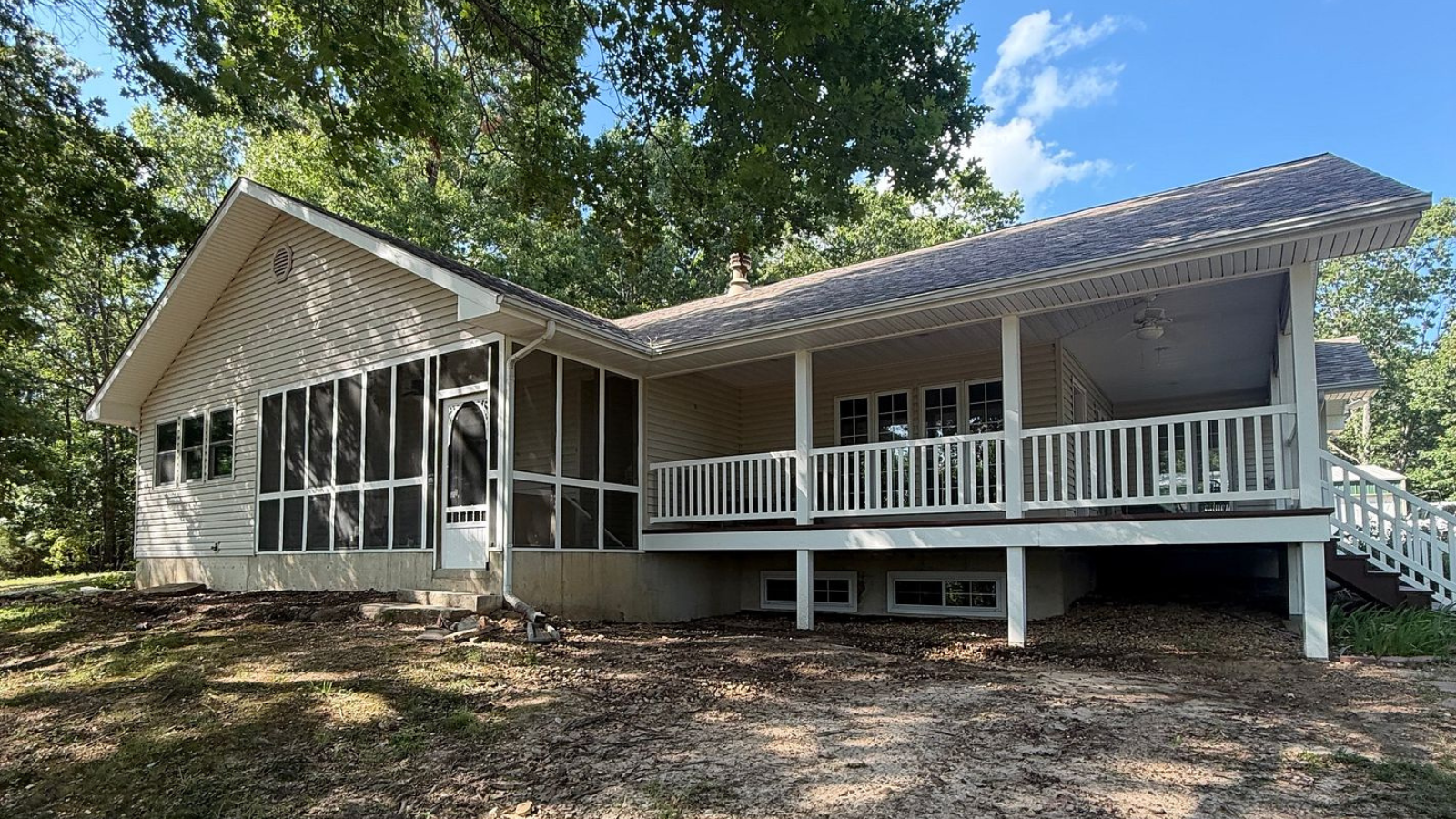
Missouri has always experienced storms, but many homeowners have noticed changes in recent years.
Some common trends include:
- More intense thunderstorms
- Increased rainfall totals
- Stronger wind events
- Larger hail occurrences
- Rapid temperature fluctuations
- Longer periods of extreme heat
- More unpredictable seasonal transitions
These changing conditions contribute significantly to climate change roof damage across residential neighborhoods.
Even a roof that appears structurally sound can suffer hidden damage when repeatedly exposed to severe weather conditions year after year.
The Link Between Severe Storms and Roof Damage
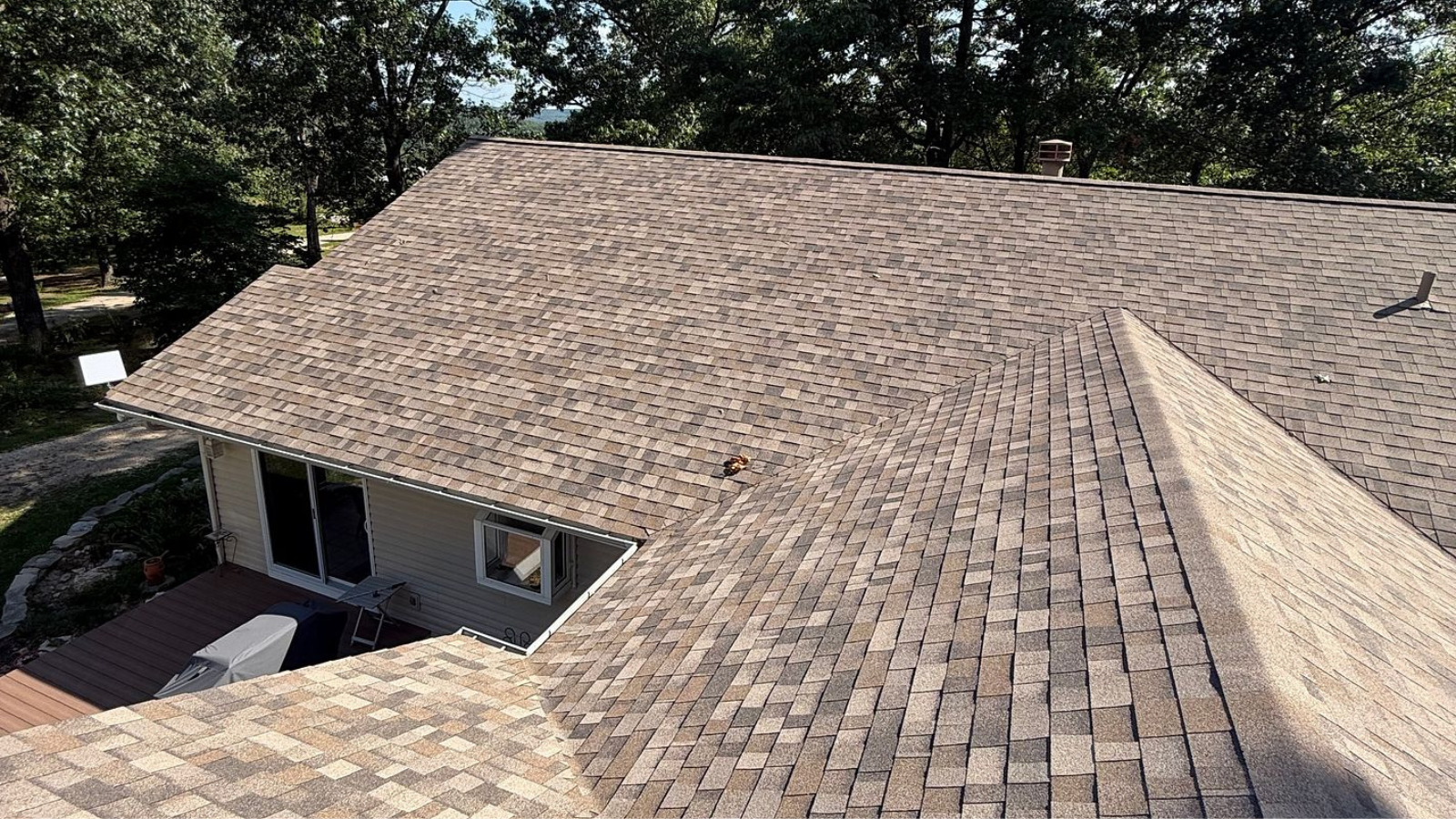
Your roof serves as your home’s first line of defense against the elements. Every storm tests its ability to protect your family and property.
When weather events intensify, roofing materials often experience accelerated wear and tear.
The most common forms of climate change roof damage include:
Wind Damage
High winds can:
- Lift shingles
- Break seals
- Expose underlayment
- Damage flashing
- Pull roofing materials away from edges
Once shingles become loose, future storms can worsen the damage rapidly.
Heavy Rain Damage
Missouri’s increasingly intense rainfall events create challenges for many roofing systems.
Heavy rain can:
- Exploit existing weaknesses
- Penetrate damaged shingles
- Saturate underlayment
- Cause attic moisture issues
- Lead to mold growth
Many homeowners discover leaks only after substantial water intrusion has already occurred.
Hail Damage
Hail remains one of the leading causes of climate change roof damage in Missouri.
Even small hailstones can:
- Crack shingles
- Remove protective granules
- Damage flashing
- Dent metal roofing
- Reduce roof lifespan
Larger hail events can create immediate and extensive damage requiring full roof replacement.
Why Hailstorms Are Becoming a Bigger Concern
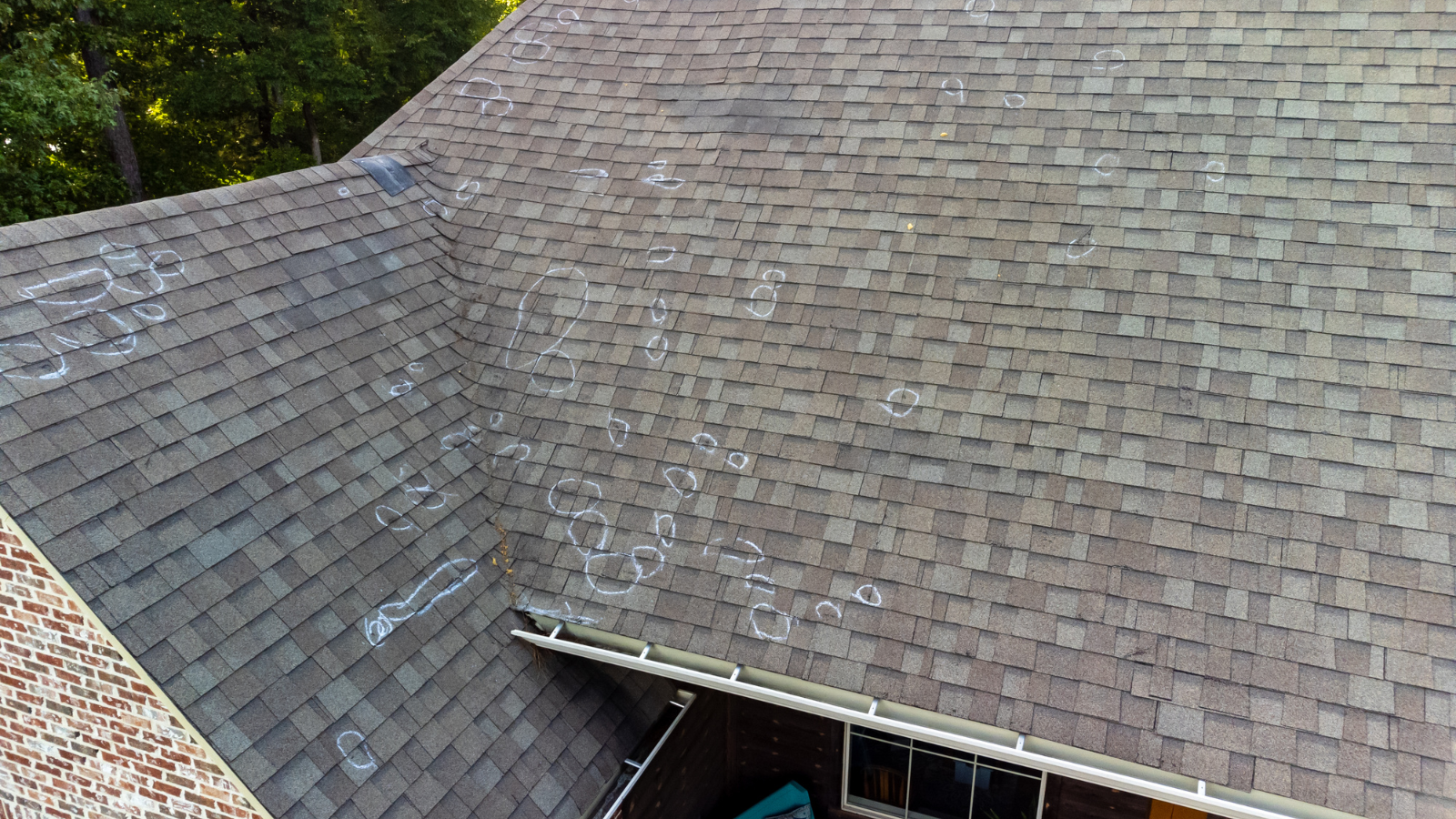
Many Missouri homeowners report seeing larger hailstones and more frequent hail-producing storms.
When hail strikes roofing materials, the damage is not always obvious from ground level. However, impacts often weaken the roof’s protective barrier.
Signs of hail-related climate change roof damage may include:
- Circular bruising on shingles
- Missing granules
- Exposed asphalt layers
- Damaged vents
- Dented gutters
- Damaged skylights
Without professional inspection, these issues can go unnoticed until leaks develop.
Extreme Heat Is Damaging Roofs Too
Storms are not the only concern.
Rising temperatures also contribute to climate change roof damage throughout Missouri.
Extended exposure to intense heat can:
- Dry out roofing materials
- Cause shingles to curl
- Accelerate aging
- Increase thermal expansion
- Weaken sealants
When roofing materials repeatedly expand during hot days and contract during cooler nights, stress accumulates over time.
This cycle can shorten the lifespan of even high-quality roofing systems.
The Impact of Temperature Swings
Missouri weather is known for dramatic temperature changes.
One day may feel like summer while the next resembles winter.
These fluctuations can create:
- Cracking
- Material separation
- Flashing failure
- Sealant deterioration
- Structural stress
Temperature extremes are a growing factor in climate change roof damage, especially for older roofs already showing signs of wear.
How Heavy Rainfall Affects Roof Longevity
Meteorologists have documented increasing rainfall intensity in many regions.
Heavy rain creates several roofing challenges.
Water Intrusion
A small vulnerability can quickly become a major leak during a severe downpour.
Gutter Overflow
Excessive rainfall can overwhelm drainage systems, causing water to back up onto roofing surfaces.
Structural Moisture Problems
Persistent moisture exposure may affect:
- Roof decking
- Insulation
- Attic ventilation
- Interior ceilings
Over time, these issues can significantly increase repair costs.
Because of these risks, climate change roof damage often extends beyond the roof itself and impacts other parts of the home.
Wind-Driven Rain Creates Hidden Problems
Many homeowners think only missing shingles indicate storm damage.
However, wind-driven rain can force water beneath roofing materials even when shingles remain in place.
This type of climate change roof damage often develops quietly and may remain hidden for months.
Common warning signs include:
- Water stains on ceilings
- Damp attic insulation
- Mold growth
- Musty odors
- Increased energy bills
Regular inspections help identify these problems before they worsen.
Why Older Roofs Face Greater Risk
Not all roofs respond equally to severe weather.
Older roofing systems are typically more vulnerable because they already have:
- Aging materials
- Reduced flexibility
- Worn sealants
- Existing storm wear
As weather patterns become more aggressive, aging roofs often experience accelerated climate change roof damage.
Homeowners with roofs over 15 years old should consider annual inspections to monitor their condition.
The Financial Cost of Storm Damage
Roof repairs can become expensive when damage goes unnoticed.
Costs may include:
| Damage Type | Potential Consequences |
| Missing shingles | Water intrusion |
| Hail damage | Reduced roof lifespan |
| Flashing failure | Interior leaks |
| Gutter damage | Foundation concerns |
| Structural moisture | Mold and rot |
| Severe storm damage | Full roof replacement |
Addressing climate change roof damage early often prevents much larger expenses later.
Insurance Claims Are Increasing
As storms become more severe, insurance claims related to roofing damage continue to rise.
Many Missouri homeowners find themselves navigating:
- Storm damage assessments
- Insurance inspections
- Documentation requirements
- Repair estimates
Having a trusted roofing contractor perform a professional inspection can make the process significantly smoother.
RC Roofing helps homeowners understand the extent of climate change roof damage and provides detailed evaluations when storm events occur.
Warning Signs Homeowners Should Never Ignore
Many roofing problems begin with subtle warning signs.
Watch for:
Interior Indicators
- Ceiling stains
- Peeling paint
- Water spots
- Mold growth
Exterior Indicators
- Missing shingles
- Curled shingles
- Granule loss
- Damaged flashing
- Sagging roof areas
These symptoms may indicate developing climate change roof damage that requires prompt attention.
How Preventative Maintenance Protects Your Home
One of the best ways to reduce roofing costs is proactive maintenance.
Preventative services may include:
- Annual inspections
- Gutter cleaning
- Flashing repairs
- Shingle replacement
- Ventilation evaluations
Routine maintenance helps identify small issues before major storms turn them into expensive problems.
For many homeowners, prevention remains the most effective defense against climate change roof damage.
Modern Roofing Materials Are More Resilient
Fortunately, roofing technology continues to improve.
Today’s roofing products often offer:
- Better wind resistance
- Enhanced impact protection
- Improved water shedding
- Greater durability
- Longer warranties
Upgrading roofing materials during replacement projects can help reduce future climate change roof damage risks.
Many homeowners choose impact-resistant shingles specifically designed to withstand severe weather conditions common in Missouri.
The Importance of Proper Installation
Even the highest-quality materials can fail if installed incorrectly.
Professional installation ensures:
- Correct fastening methods
- Proper flashing placement
- Adequate ventilation
- Manufacturer compliance
- Maximum weather resistance
Many cases of premature climate change roof damage stem from installation deficiencies rather than material failure.
Choosing an experienced roofing contractor remains one of the most important investments a homeowner can make.
Why Roof Inspections Matter More Than Ever
Storm damage is not always visible from the ground.
Professional inspections can uncover:
- Hidden hail impacts
- Wind-related lifting
- Moisture infiltration
- Flashing damage
- Structural concerns
Annual inspections provide valuable peace of mind and help homeowners stay ahead of developing issues.
As weather patterns continue evolving, regular evaluations become increasingly important for preventing climate change roof damage from escalating.
What Homeowners in Washington and Surrounding Communities Should Know
Residents throughout Washington, Wildwood, Frontenac, Town & Country, Chesterfield, Eureka, Augusta, Union, and Pacific face similar weather risks.
Local conditions often include:
- Severe thunderstorms
- Strong straight-line winds
- Hail-producing storm systems
- Heavy spring rainfall
- Summer heat waves
These conditions create an environment where climate change roof damage can occur unexpectedly and progress rapidly.
Staying proactive helps protect both your roof and your investment.
Preparing Your Roof Before Storm Season
Preparation can significantly reduce storm-related damage.
Consider the following checklist:
Schedule an Inspection
Identify vulnerabilities before severe weather arrives.
Clean Gutters
Ensure proper drainage during heavy rainfall.
Trim Nearby Trees
Reduce risks from falling limbs and debris.
Repair Minor Issues
Address small concerns before they become major problems.
Review Insurance Coverage
Understand what your policy covers in the event of severe weather.
These simple steps can help minimize future climate change roof damage and improve your roof’s overall resilience.
The Future of Roofing in a Changing Climate
The roofing industry is adapting to evolving weather conditions.
Future trends include:
- More impact-resistant materials
- Improved ventilation systems
- Enhanced waterproofing technology
- Energy-efficient roofing products
- Stronger installation standards
These advancements aim to help homeowners better withstand the challenges associated with climate change roof damage while improving long-term performance.
As weather continues changing, investing in durable roofing solutions becomes increasingly important.
Why Homeowners Trust RC Roofing
At RC Roofing, we understand the unique challenges Missouri homeowners face.
Our team provides:
- Comprehensive roof inspections
- Storm damage assessments
- Roof repair services
- Roof replacement solutions
- Insurance claim assistance
- Honest recommendations
We serve homeowners throughout Washington, Wildwood, Frontenac, Town & Country, Chesterfield, Eureka, Augusta, Union, and Pacific with a commitment to quality workmanship and customer satisfaction.
Our goal is simple: help homeowners protect their most valuable investment from the growing risks associated with severe weather.
Final Thoughts
Climate change is affecting weather patterns across Missouri, and homeowners are seeing the results firsthand. Stronger storms, larger hail events, heavier rainfall, extreme heat, and dramatic temperature swings are all contributing factors to increased roofing problems. Understanding how these weather trends impact your home is the first step toward making informed decisions about maintenance, repairs, and replacement.
The reality is that climate change roof damage is becoming a growing concern for homeowners throughout Missouri. The good news is that proactive inspections, quality roofing materials, proper installation, and routine maintenance can significantly reduce your risk.
If your roof has recently experienced severe weather—or if it has been several years since your last inspection—now is the perfect time to act. Contact RC Roofing today for a professional roof evaluation and learn how we can help protect your home from future storm damage while ensuring your roof remains strong, secure, and ready for whatever Missouri weather brings next.