Protect Your Home Before Hidden Moisture Becomes a Costly Problem
Have you ever wondered if a small roof issue could quietly lead to mold growing inside your home without you even knowing it? Many homeowners don’t think about their roof until they notice a ceiling stain or a musty smell, but by then, moisture may have already been trapped inside the attic or walls for weeks—or even months.
For homeowners in Washington, Wildwood, Frontenac, Town & Country, Chesterfield, Eureka, Augusta, Union, and Pacific, Missouri, moisture is a year-round concern. Heavy spring rains, humid summers, strong storms, and winter snow all put constant pressure on your roofing system. Even a tiny opening in your roof can allow water to enter, creating the perfect environment for mold to grow.
At RC Roofing in Washington, MO, we’ve inspected countless homes where homeowners believed everything was fine because there were no visible leaks. After a thorough inspection, hidden moisture was discovered beneath damaged shingles, around flashing, or inside the attic. In many of these cases, early action prevented expensive structural repairs and widespread mold problems.
That’s why roof inspection mold prevention is one of the smartest investments homeowners can make. Regular roof inspections help identify small issues before moisture spreads, protecting not only your roof but also your family’s health, your home’s structure, and your long-term investment.
Why Mold Is More Than Just an Appearance Problem
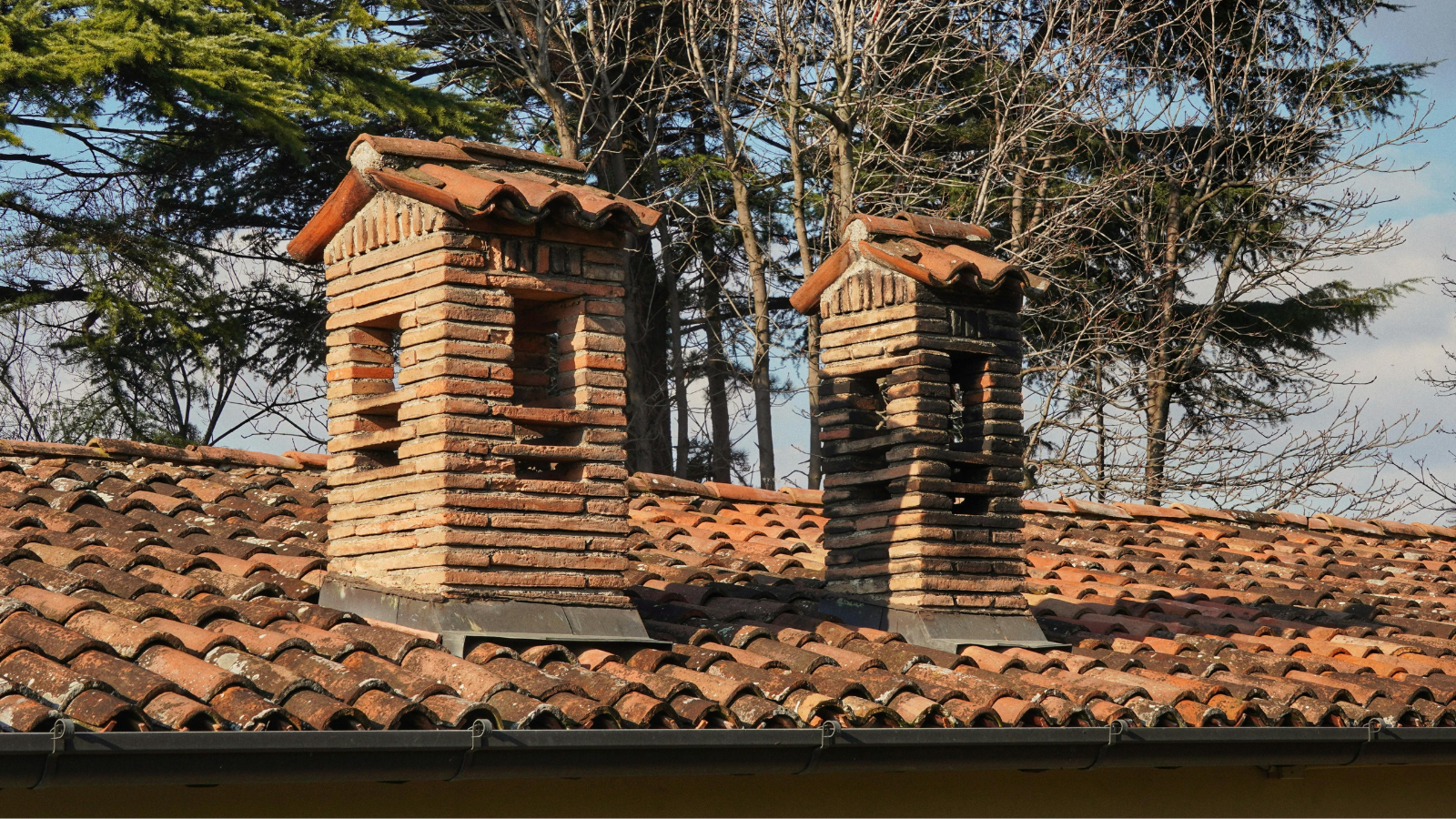
Many homeowners think mold is simply an ugly stain on a ceiling or wall.
In reality, mold often signals an ongoing moisture problem that can continue spreading if the source isn’t addressed.
Mold can affect:
- Drywall
- Roof decking
- Insulation
- Wood framing
- Ceiling materials
- Attic spaces
Left untreated, moisture may weaken building materials and create costly repairs that extend well beyond the roof itself.
That’s why roof inspection mold prevention focuses on identifying moisture before mold has the opportunity to spread.
Why Missouri Homes Face a Higher Risk of Mold
Missouri experiences a wide range of weather conditions throughout the year.
These changing conditions increase the likelihood of moisture entering vulnerable roofing systems.
Common weather challenges include:
- Heavy spring rainfall
- High humidity
- Severe thunderstorms
- Wind-driven rain
- Snow and ice
- Rapid temperature changes
Even a well-built roof experiences continuous expansion, contraction, and weather exposure.
Over time, small weaknesses may develop that allow water to enter unnoticed.
Regular roof inspection mold prevention helps homeowners identify these problems before they become expensive.
How Moisture Enters Through Your Roof
Water doesn’t need a large opening to enter your home.
Even tiny gaps around flashing, damaged shingles, or aging sealants can allow moisture to slowly penetrate the roofing system.
Common entry points include:
- Missing shingles
- Cracked flashing
- Roof valleys
- Plumbing vent boots
- Chimney flashing
- Skylights
- Nail penetrations
Water often travels far from the original leak before becoming visible inside the home.
That’s one reason many homeowners don’t realize moisture is present until mold has already begun developing.
Why Mold Often Starts in the Attic
The attic is one of the first places where hidden roof leaks become a problem.
Warm, humid air naturally rises into the attic.
If moisture from a roof leak is added to the environment, mold has ideal conditions to grow.
Poor ventilation makes the situation even worse.
Without proper airflow, damp materials remain wet longer, increasing the likelihood of mold development.
Professional roof inspection mold prevention includes evaluating attic conditions along with the exterior roof to identify hidden warning signs.
Early Roof Inspections Save Homeowners Money
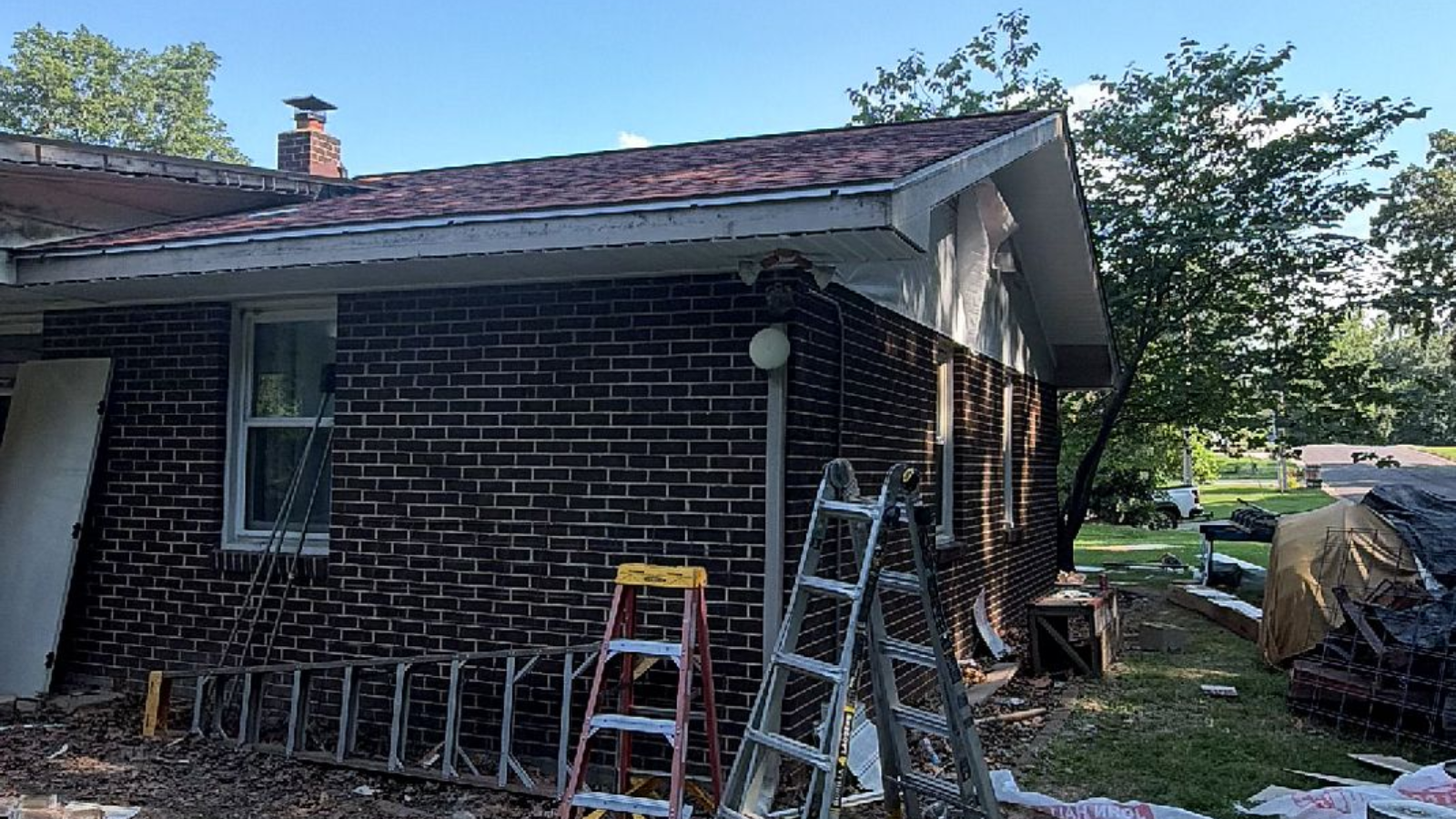
Many roofing repairs begin with issues that are inexpensive to correct.
Replacing a damaged shingle or repairing flashing usually costs far less than replacing mold-damaged insulation, drywall, or roof decking.
By scheduling regular inspections, homeowners often avoid:
- Structural repairs
- Mold remediation
- Interior ceiling damage
- Wet insulation
- Wood rot
- Emergency roof repairs
Small roofing problems rarely remain small.
Finding them early helps reduce overall repair costs.
Common Roofing Problems That Can Lead to Mold
Not every roof leak begins with dramatic storm damage.
Many moisture problems develop gradually over time.
Roofing Issues That Increase Mold Risk
| Roofing Problem | Potential Result |
| Missing shingles | Water infiltration |
| Damaged flashing | Slow leaks |
| Cracked vent boots | Moisture around roof penetrations |
| Clogged gutters | Water backup |
| Poor attic ventilation | Condensation buildup |
| Aging sealants | Hidden water intrusion |
Addressing these concerns early is one of the primary goals of roof inspection mold prevention.
Warning Signs You Should Never Ignore
Sometimes your roof gives subtle clues that moisture is entering the home.
Common warning signs include:
- Ceiling stains
- Musty odors
- Peeling paint
- Damp attic insulation
- Mold spots near ceilings
- Bubbling drywall
- Increased indoor humidity
Although these symptoms don’t always indicate roof damage, they should never be ignored.
A professional inspection can determine whether your roof is contributing to the problem.
Why Professional Roof Inspections Are Different
Many homeowners perform a quick visual inspection from the ground after a storm.
While this can reveal obvious damage, hidden moisture problems often require a much closer evaluation.
Professional inspectors examine areas such as:
- Roof valleys
- Flashing
- Ridge caps
- Vent pipes
- Chimneys
- Gutters
- Attic ventilation
- Roof decking
These components work together to protect your home from water intrusion.
When one part begins to fail, moisture can travel throughout the roofing system before becoming visible indoors.
That’s why roof inspection mold prevention involves evaluating the entire roofing system—not just the shingles.
Attic Ventilation Plays a Bigger Role Than Many Homeowners Realize
Mold doesn’t always begin with a roof leak.
Sometimes condensation alone creates enough moisture for mold to develop.
Proper attic ventilation allows excess heat and moisture to escape before condensation forms.
Benefits of proper ventilation include:
- Reduced humidity
- Better airflow
- Longer roof lifespan
- Lower cooling costs
- Healthier attic environment
- Less condensation
During professional roof inspections, ventilation is carefully evaluated because airflow is a major factor in long-term mold prevention.
The Cost of Waiting Can Be Significant
One of the biggest misconceptions homeowners have is believing that if water isn’t dripping from the ceiling, everything is fine.
Unfortunately, hidden moisture often spreads quietly.
Small leaks may continue for months before visible damage appears.
By then, repairs may involve:
- Roof decking replacement
- Mold remediation
- Drywall replacement
- Ceiling repairs
- Insulation replacement
- Interior painting
Regular roof inspection mold prevention helps homeowners catch these problems while repairs are still relatively simple.
Why Annual Roof Inspections Make Sense
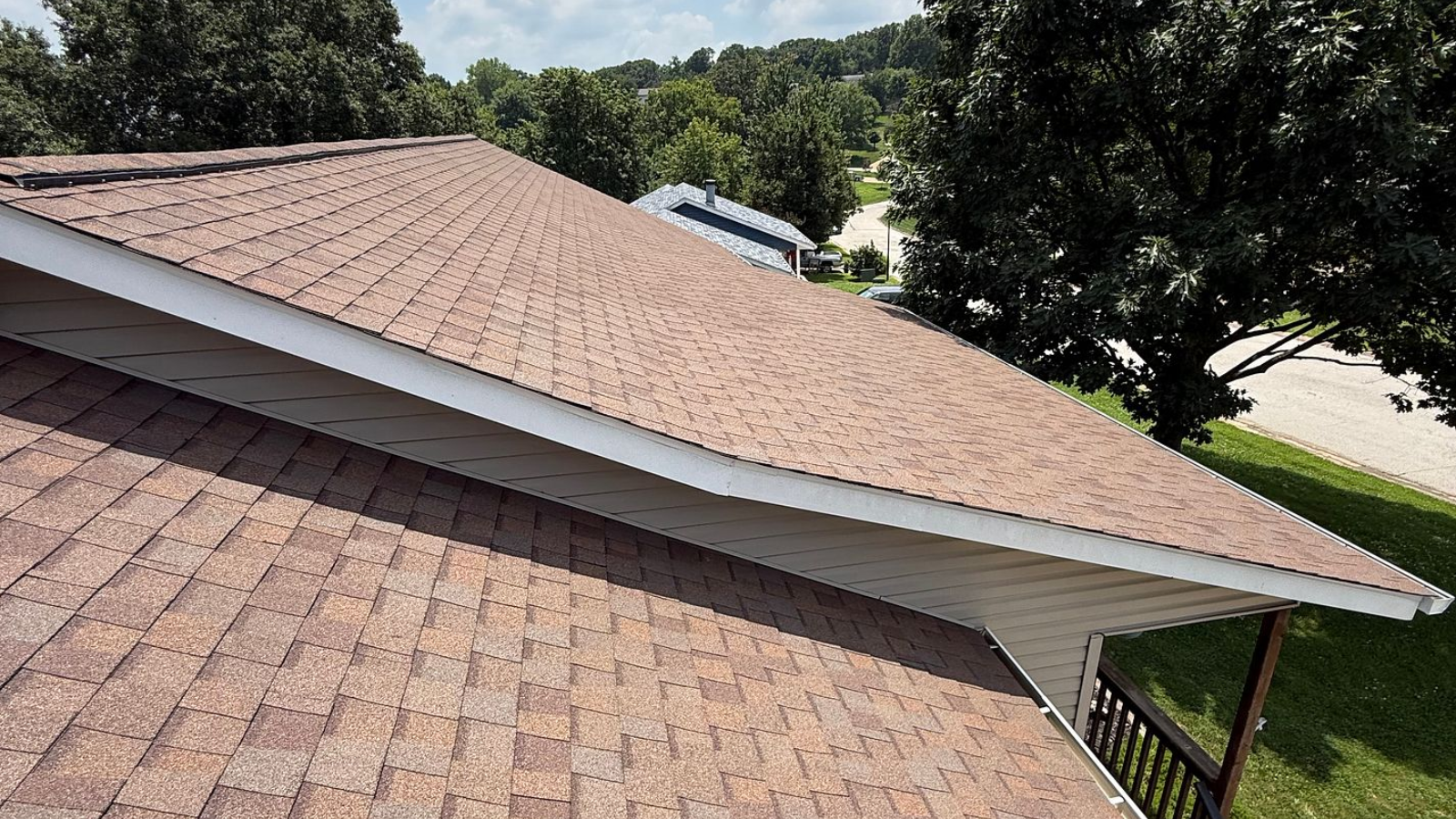
Most roofing professionals recommend scheduling an inspection at least once each year, along with additional inspections after major storms.
Routine inspections allow contractors to identify wear before it develops into larger problems.
Annual inspections are particularly valuable for:
- Older homes
- Roofs over 10 years old
- Homes surrounded by mature trees
- Properties that recently experienced severe weather
- Homes with previous roof repairs
Preventive maintenance almost always costs less than emergency repairs.
Where Mold Usually Hides After a Roof Leak
Water almost never travels straight down after entering your roof. Instead, it follows the path of least resistance, moving along wood framing, roof decking, insulation, and even electrical wiring before finally showing itself inside your home.
Some of the most common hidden locations include:
- Beneath attic insulation
- Along roof decking
- Around roof vents
- Near chimneys
- Around skylights
- Inside wall cavities
- Behind ceiling drywall
- Around plumbing vent boots
By the time a ceiling stain appears, moisture may have already affected a much larger area than you realize.
This is exactly why homeowners benefit from regular roof inspection mold prevention instead of waiting for obvious warning signs.
How Professional Roof Inspections Detect Moisture Early
A professional roof inspection goes far beyond looking for missing shingles.
Experienced roofing contractors evaluate your entire roofing system to identify weak points that could allow water inside.
During a comprehensive inspection, RC Roofing may examine:
| Inspection Area | What We’re Looking For |
| Asphalt shingles | Missing granules, cracks, lifted edges |
| Flashing | Loose sections, corrosion, failed sealants |
| Roof valleys | Water collection and wear |
| Roof penetrations | Damaged vent boots and pipe seals |
| Gutters | Overflow, blockages, improper drainage |
| Attic | Moisture stains, ventilation issues, mold indicators |
| Roof decking | Soft spots or signs of water intrusion |
| Soffits and fascia | Moisture damage and ventilation concerns |
Finding these issues early allows homeowners to schedule repairs before mold has an opportunity to develop.
Why Small Roof Leaks Become Big Problems
A leak rarely starts as a major emergency.
More often, it begins with something simple, such as:
- A cracked shingle
- Lifted flashing
- Worn sealant
- Loose nail
- Damaged vent boot
At first, only a small amount of water enters during heavy rain.
Over time that moisture repeatedly wets nearby materials until mold begins to grow.
Months later, homeowners suddenly notice:
- Brown ceiling stains
- Peeling paint
- Sagging drywall
- Musty odors
- Warped trim
- Higher indoor humidity
These visible problems often represent months of hidden moisture exposure.
Routine roof inspection mold prevention helps stop these problems while repairs remain manageable.
Why Mold Can Affect More Than Your Roof
Roof leaks don’t just damage roofing materials.
Moisture can spread throughout multiple parts of the home.
Areas Commonly Affected by Roof Leaks
| Area | Possible Damage |
| Attic insulation | Reduced insulation performance |
| Ceiling drywall | Water stains and sagging |
| Wood framing | Rot and structural weakening |
| Interior paint | Bubbling and peeling |
| Electrical components | Moisture exposure |
| HVAC efficiency | Increased humidity inside the home |
The longer moisture remains trapped, the more expensive repairs become.
The Hidden Cost of Ignoring Moisture
Many homeowners delay calling a roofing contractor because the leak appears “small.”
Unfortunately, moisture damage rarely stays small.
Ignoring roof issues can eventually lead to:
- Mold remediation
- Drywall replacement
- Insulation replacement
- Roof decking replacement
- Structural wood repairs
- Interior painting
- Flooring damage
- Increased energy bills
Preventive maintenance almost always costs less than repairing widespread water damage.
That’s another reason why roof inspection mold prevention provides long-term value.
Seasonal Roof Inspections Help Missouri Homeowners Stay Ahead
Missouri weather changes dramatically throughout the year.
Each season presents different roofing challenges.
Seasonal Roofing Concerns
| Season | Common Roofing Risk |
| Spring | Heavy rain and severe storms |
| Summer | Heat, humidity, UV exposure |
| Fall | Leaves clogging gutters |
| Winter | Snow, ice dams, freeze-thaw cycles |
Scheduling inspections after severe weather and once each year helps identify developing problems before they worsen.
Roof Maintenance Tips That Help Prevent Mold
Professional inspections are important, but homeowners can also take simple steps to reduce moisture risks between appointments.
Roof Maintenance Checklist
- Clean gutters at least twice each year.
- Trim tree branches that touch the roof.
- Check ceilings after heavy rain.
- Watch for musty odors in the attic.
- Replace damaged shingles promptly.
- Keep attic ventilation unobstructed.
- Repair flashing before leaks develop.
- Schedule annual roof inspections.
- Inspect your roof after hail or windstorms.
- Address small leaks immediately.
These routine maintenance habits support effective roof inspection mold prevention and help extend the life of your roofing system.
Why Missouri’s Humidity Makes Prevention So Important
Homes throughout Washington, Wildwood, Chesterfield, Frontenac, Town & Country, Eureka, Augusta, Union, Pacific, and nearby communities experience significant humidity during much of the year.
Humidity alone doesn’t cause mold.
However, when humid air combines with hidden roof leaks or poor attic ventilation, mold growth becomes much more likely.
Professional inspections help identify:
- Ventilation deficiencies
- Moisture buildup
- Roof leaks
- Condensation issues
- Insulation problems
Correcting these issues early helps maintain a healthier home environment.
Why Homeowners Trust RC Roofing
At RC Roofing, we understand that homeowners aren’t simply buying roofing services—they’re protecting one of their biggest investments.
Our inspection process focuses on identifying problems early, explaining findings clearly, and recommending only the repairs that are actually needed.
Homeowners throughout the area choose RC Roofing because we provide:
- Honest roof evaluations
- Detailed inspections
- Experienced local professionals
- High-quality workmanship
- Reliable communication
- Long-term roofing solutions
- Exceptional customer service
We proudly serve homeowners in:
- Washington
- Wildwood
- Frontenac
- Town & Country
- Chesterfield
- Eureka
- Augusta
- Union
- Pacific
Whether your roof has experienced storm damage or you’re simply due for an annual inspection, our team is ready to help.
Roof Inspection Mold Prevention Checklist
Before moisture becomes a costly repair, use this checklist to help protect your home.
| Homeowner Checklist | Complete |
| Schedule an annual roof inspection | □ |
| Inspect your roof after severe storms | □ |
| Clean gutters and downspouts | □ |
| Check attic for moisture or odors | □ |
| Inspect ceilings for stains | □ |
| Repair damaged shingles promptly | □ |
| Replace cracked flashing | □ |
| Ensure attic ventilation is working properly | □ |
| Monitor indoor humidity levels | □ |
| Contact a professional if leaks appear | □ |
Following these steps significantly reduces the likelihood of hidden moisture developing into widespread mold.
Final Thoughts
Your roof is your home’s first line of defense against Missouri’s unpredictable weather. While a roof may appear to be in good condition from the ground, even a small opening can allow moisture to enter and quietly create the perfect environment for mold. By the time visible signs appear, the damage may already involve insulation, roof decking, drywall, or structural framing.
That’s why roof inspection mold prevention should be part of every homeowner’s long-term maintenance plan. Regular inspections allow roofing professionals to identify small problems before they become expensive repairs, helping you avoid mold remediation, structural damage, and unnecessary stress.
If it’s been a while since your last roof inspection—or if your home has recently experienced heavy rain, hail, or strong winds—now is the perfect time to schedule a professional inspection. A proactive approach today can help prevent mold tomorrow and preserve the comfort, safety, and value of your home.