What Every Homeowner Should Know Before Small Roofing Problems Become Expensive Repairs
Have you ever looked at your older home and wondered whether your roof is still protecting it as well as it should? A roof can appear perfectly fine from the driveway, yet years of exposure to Missouri’s changing weather may have quietly weakened the materials beneath the surface. By the time a leak becomes noticeable, the damage may already extend far beyond a few missing shingles.
Older homes throughout Washington, Wildwood, Frontenac, Town & Country, Chesterfield, Eureka, Augusta, Union, and Pacific each have their own character and charm, but they also come with unique roofing challenges. Roofing systems that have protected a home for decades naturally experience wear from heavy rain, hail, high winds, humidity, snow, and fluctuating temperatures. Even if your roof has never leaked, hidden issues can develop over time without obvious warning signs.
At RC Roofing in Washington, MO, we’ve performed countless roof inspection older homes evaluations where homeowners believed everything looked fine, only to discover aging flashing, deteriorating underlayment, soft roof decking, or ventilation issues that could eventually lead to costly repairs. The good news is that many of these problems are manageable when found early through a professional inspection.
Why Older Homes Require a Different Type of Roof Inspection
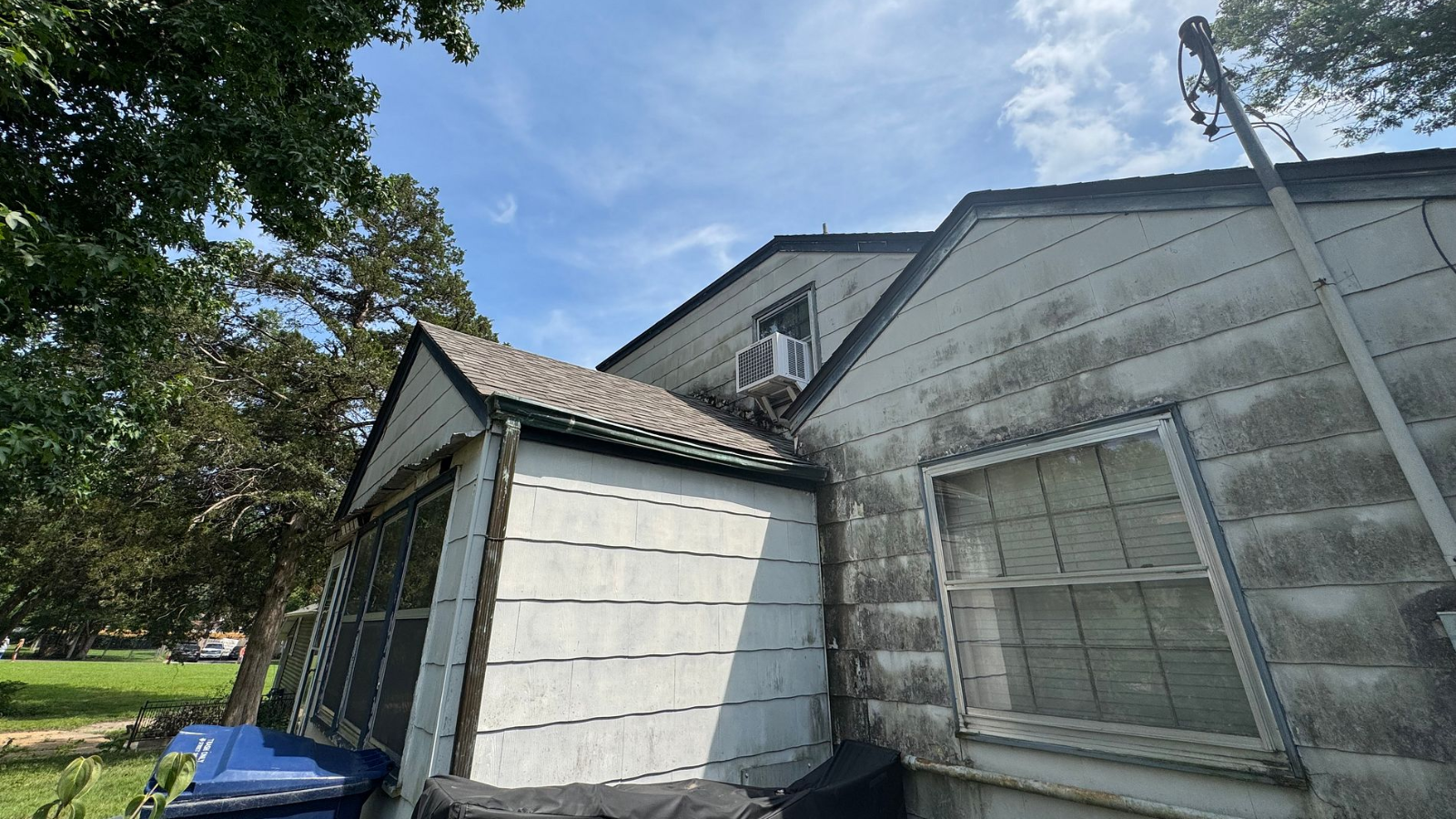
No two homes age exactly the same way.
Older homes often contain roofing materials, construction methods, or ventilation systems that differ significantly from those found in newer houses.
Years of weather exposure can gradually affect every component of the roofing system.
A professional roof inspection older homes evaluation focuses on identifying age-related concerns that may not exist on newer properties.
Rather than looking only for active leaks, inspectors evaluate the overall condition of the roof and determine how well it continues to protect the home.
Missouri Weather Accelerates Roof Aging
Roofs in Missouri rarely experience a break from the weather.
Throughout the year they endure:
- Heavy spring rainfall
- Strong thunderstorms
- Hail
- High humidity
- Intense summer heat
- Freezing winter temperatures
- Snow accumulation
- Wind-driven rain
Each season places stress on roofing materials.
As years pass, shingles expand and contract, sealants dry out, flashing loosens, and ventilation systems become less efficient.
A thorough roof inspection older homes helps identify these issues before they develop into larger roofing problems.
What Roofing Contractors Look for First
One of the biggest misconceptions homeowners have is believing inspectors only check shingles.
In reality, the roof functions as one complete system.
Every component works together to keep moisture outside.
During an inspection, roofing professionals carefully evaluate:
- Shingle condition
- Roof decking stability
- Flashing around chimneys and vents
- Ridge caps
- Valleys
- Roof penetrations
- Soffits and fascia
- Gutter performance
- Attic ventilation
- Signs of moisture intrusion
A problem with any one of these areas can eventually affect the entire roofing system.
Aging Shingles Are Often the First Warning Sign
Asphalt shingles naturally wear with age.
Over time they lose flexibility and become more vulnerable to weather damage.
Common signs include:
- Curling edges
- Cracked shingles
- Granule loss
- Fading color
- Lifted tabs
- Missing shingles
Although these signs may seem minor, they often indicate that the roof’s ability to shed water has begun to decline.
That’s why roof inspection older homes focuses closely on the condition of roofing materials.
Flashing Problems Are More Common Than Many Homeowners Realize
Flashing protects some of the most vulnerable parts of your roof.
These areas include:
- Chimneys
- Skylights
- Roof valleys
- Plumbing vents
- Wall intersections
Older flashing may loosen, corrode, or develop cracks after years of expansion and contraction.
Even small flashing failures can allow moisture to enter beneath the roofing materials.
Many homeowners never notice flashing damage because it often develops slowly.
Professional inspections help identify these weak points before leaks appear inside the home.
Roof Decking May Tell a Bigger Story
Roof decking serves as the structural foundation beneath your shingles.
When moisture repeatedly enters the roofing system, the decking may begin to weaken.
Inspectors look for:
- Soft spots
- Water stains
- Delamination
- Wood rot
- Sagging sections
These problems aren’t always visible from outside the home.
That’s another reason why roof inspection older homes provides valuable insight into the overall health of the roofing system.
Older Ventilation Systems May No Longer Perform Efficiently
Many older homes were built using ventilation standards that differ from today’s recommendations.
Poor attic ventilation can contribute to:
- Excess attic heat
- Condensation
- Moisture buildup
- Higher energy bills
- Premature shingle aging
Proper airflow allows moisture to escape while helping regulate attic temperatures throughout the year.
During inspections, contractors evaluate whether existing ventilation continues to meet the home’s needs.
Common Roofing Issues Found in Older Homes
While every property is unique, certain roofing concerns appear frequently during inspections.
Common Inspection Findings
| Roofing Component | Common Issue Found | Potential Result |
| Asphalt shingles | Curling and cracking | Water intrusion |
| Flashing | Loose or deteriorated | Roof leaks |
| Roof decking | Soft or weakened wood | Structural damage |
| Gutters | Poor drainage | Water backup |
| Attic ventilation | Restricted airflow | Moisture buildup |
| Roof valleys | Worn materials | Leak development |
| Chimney flashing | Failed sealants | Interior water damage |
Many of these issues develop gradually over several years, making routine inspections especially valuable.
Small Roofing Problems Rarely Stay Small
One loose shingle may not seem like a serious concern.
Neither does a small crack around a plumbing vent.
However, once water begins entering the roofing system, even minor damage can grow over time.
What begins as:
- A loose flashing section
- A cracked vent boot
- Missing granules
- Slight roof movement
May eventually lead to:
- Interior ceiling stains
- Wet insulation
- Mold growth
- Rotting roof decking
- Expensive structural repairs
Routine roof inspection older homes allows these issues to be corrected before they become much more costly.
Why Ground-Level Inspections Aren’t Enough
Many homeowners inspect their roof by standing in the driveway after a storm.
While this may reveal missing shingles, many roofing problems remain impossible to see from below.
Professional inspectors examine areas that homeowners typically cannot safely access.
Some hidden issues include:
- Hairline flashing cracks
- Early granule loss
- Soft decking
- Sealant failure
- Ventilation deficiencies
- Hidden moisture damage
These conditions often require close inspection to identify accurately.
Why Annual Roof Inspections Make Sense for Older Homes
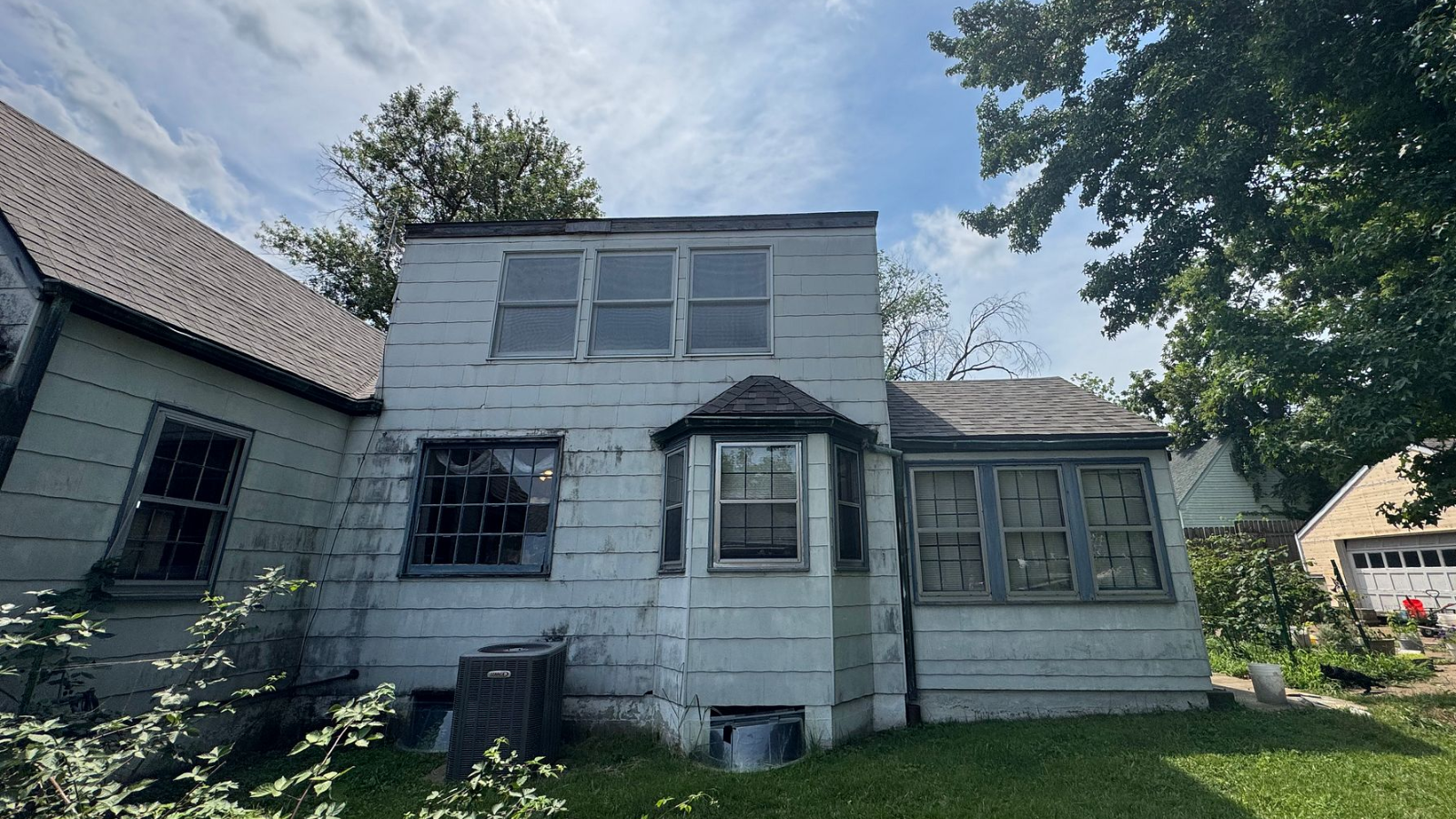
As roofs age, regular inspections become increasingly important.
Rather than waiting for a leak, annual inspections allow contractors to monitor gradual wear and recommend maintenance before damage spreads.
Annual evaluations help homeowners:
- Extend roof lifespan
- Prevent leaks
- Reduce repair costs
- Protect home value
- Improve energy efficiency
- Plan future roofing investments
For many older homes, preventive maintenance adds years of reliable performance to the existing roofing system.
As homes age, roofing problems often become more complex. While missing shingles or worn flashing may be easy to identify, many of the most expensive issues develop underneath the surface where homeowners can’t see them. That’s why a professional roof inspection older homes evaluation goes beyond a visual check. It uncovers hidden damage, evaluates the condition of the entire roofing system, and helps homeowners make informed decisions before minor concerns turn into major repairs.
Hidden Roofing Problems Often Found During Inspections
One of the biggest surprises for homeowners is learning that a roof can appear perfectly fine while hidden damage continues to develop beneath the shingles.
Years of weather exposure, small leaks, and normal aging gradually weaken different parts of the roofing system.
During a professional roof inspection older homes, contractors commonly discover problems such as:
- Soft roof decking
- Moisture trapped beneath shingles
- Deteriorated underlayment
- Rusted flashing
- Improper attic ventilation
- Hidden mold or mildew
- Loose fasteners
- Water-damaged fascia and soffits
Many of these issues remain invisible from the ground but can significantly reduce the roof’s lifespan if left unaddressed.
Why Roof Decking Matters More Than Homeowners Think
Shingles are only the outer layer of your roof.
Beneath them is the roof decking, which provides the structural foundation that supports the entire roofing system.
If moisture enters through damaged shingles or flashing, the decking can gradually weaken.
Signs inspectors look for include:
| Roof Decking Concern | Why It Matters |
| Soft spots | Reduced structural support |
| Water stains | Evidence of previous leaks |
| Delaminated plywood | Loss of strength |
| Rotting wood | Increased repair costs |
| Sagging areas | Possible structural damage |
Replacing a few damaged decking panels during a roofing project is often far less expensive than waiting until widespread deterioration occurs.
Underlayment Can Wear Out Before Homeowners Notice
Another hidden component inspectors evaluate is the roofing underlayment.
Although homeowners rarely see it, underlayment serves as a critical moisture barrier beneath the shingles.
As older roofs age, underlayment may:
- Become brittle
- Tear during storms
- Lose waterproofing ability
- Separate around roof penetrations
A professional roof inspection older homes helps determine whether the underlayment is still performing as intended or if replacement should be considered during future roofing work.
Attic Ventilation Can Extend the Life of an Older Roof
Proper ventilation isn’t just about keeping the attic cooler.
It directly affects the performance and longevity of your roof.
Poor airflow allows heat and moisture to accumulate inside the attic, creating conditions that accelerate shingle aging and increase the risk of mold, wood rot, and insulation damage.
Benefits of Proper Ventilation
| Benefit | Why It Helps |
| Reduces attic heat | Slows shingle deterioration |
| Controls moisture | Helps prevent mold growth |
| Protects roof decking | Reduces condensation |
| Improves energy efficiency | Lowers cooling costs |
| Extends roof lifespan | Reduces long-term wear |
Improving ventilation is often one of the most valuable recommendations made during an inspection of an older home.
Repair or Replacement? How Contractors Decide
One of the most common questions homeowners ask is whether they need repairs or an entirely new roof.
The answer depends on several factors rather than the roof’s age alone.
A roofing contractor evaluates:
- Overall roof condition
- Number of damaged areas
- Roof decking integrity
- Remaining shingle lifespan
- History of previous repairs
- Ventilation performance
- Water intrusion
- Cost-effectiveness of repairs
If problems are isolated and the roof is otherwise in good condition, repairs may be the most practical solution.
However, when multiple components have reached the end of their service life, replacement often provides greater long-term value.
A detailed roof inspection older homes gives homeowners the information needed to make the right decision.
Simple Maintenance Can Add Years to Your Roof
Many homeowners assume roof maintenance ends once a new roof is installed.
In reality, routine maintenance plays a major role in extending the life of older roofing systems.
Helpful maintenance practices include:
- Cleaning gutters twice each year
- Removing leaves and roof debris
- Trimming overhanging tree branches
- Inspecting the attic after heavy rain
- Replacing damaged shingles promptly
- Checking flashing around chimneys and vents
- Scheduling annual roof inspections
- Addressing small leaks immediately
These simple steps help prevent unnecessary wear and reduce the likelihood of expensive repairs.
Don’t Wait Until Water Reaches Your Ceiling
A common misconception is that a roof isn’t leaking until water appears inside the home.
Unfortunately, moisture often travels beneath roofing materials for weeks or months before becoming visible indoors.
By the time you notice:
- Ceiling stains
- Bubbling paint
- Peeling drywall
- Musty odors
- Sagging ceilings
The damage may already involve insulation, decking, framing, or interior finishes.
Routine roof inspection older homes helps catch these issues before they spread.
Why Older Homes Deserve Regular Roof Inspections
Homes built decades ago often contain roofing systems that have experienced years of weather exposure, repairs, and material aging.
Even if previous maintenance has been performed, annual inspections remain one of the most effective ways to preserve the home’s value.
Routine inspections help homeowners:
- Detect hidden damage early
- Extend roof lifespan
- Improve attic ventilation
- Reduce long-term repair costs
- Protect interior finishes
- Maintain property value
- Plan future roofing investments
Rather than waiting for an emergency, homeowners can make informed maintenance decisions based on the actual condition of the roof.
Roof Inspection Checklist for Older Homes
Before problems become expensive, use this checklist to stay ahead of roof maintenance.
| Homeowner Checklist | Complete |
| Schedule an annual professional roof inspection | □ |
| Inspect roof after major storms | □ |
| Clean gutters and downspouts | □ |
| Check attic for moisture or mold | □ |
| Watch for curling or cracked shingles | □ |
| Inspect flashing around chimneys and vents | □ |
| Monitor attic ventilation | □ |
| Trim tree branches above the roof | □ |
| Repair minor damage promptly | □ |
| Keep maintenance records for future reference | □ |
A proactive maintenance routine helps older roofs continue protecting your home for many years.
Why Homeowners Trust RC Roofing
Older homes deserve experienced roofing professionals who understand the unique challenges that come with aging materials and decades of weather exposure.
At RC Roofing in Washington, MO, we believe every homeowner deserves honest recommendations based on the actual condition of their roof—not unnecessary sales pressure.
Homeowners throughout the region trust us because we provide:
- Comprehensive roof inspections
- Honest evaluations
- Experienced local roofing professionals
- High-quality craftsmanship
- Clear communication
- Reliable scheduling
- Long-lasting roofing solutions
- Exceptional customer service
We’re proud to serve homeowners across:
- Washington
- Wildwood
- Frontenac
- Town & Country
- Chesterfield
- Eureka
- Augusta
- Union
- Pacific
Whether your home is 20 years old or more than a century old, our team has the experience to identify roofing issues and recommend solutions that fit your home’s needs and your budget.
Final Thoughts
Owning an older home comes with a unique sense of pride, but it also comes with the responsibility of protecting one of its most important features—its roof. While aging shingles and weathered flashing may seem like minor concerns, they can quickly lead to leaks, moisture damage, mold, and structural issues if left unchecked.
Scheduling a roof inspection older homes is one of the smartest ways to protect your investment. A professional inspection helps uncover hidden problems before they become costly repairs, giving you the information you need to plan maintenance, improve your roof’s performance, and extend its lifespan.
If your home hasn’t had a professional roof inspection in several years—or if you’ve noticed signs of aging such as curling shingles, roof discoloration, or minor leaks—now is the perfect time to schedule an inspection. Catching small issues today can save you from much larger repairs tomorrow while preserving the beauty, value, and integrity of your home.