Simple roofs run flat and true, but angles and valleys ask more of the crew. So if your home has dormers, multiple pitches, or a roofline that turns more corners than you can count from the yard, does your roofing quote actually reflect that?
That’s a question a lot of homeowners across Washington, MO don’t think to ask until they’re comparing bids and wondering why one number is so much higher than another. The truth is, not all roofs are created equal, and treating a complex roof replacement the same way you’d treat a simple gable roof is one of the most common mistakes homeowners — and unfortunately, some contractors — make. The shape of your roof changes almost everything about how a replacement should be planned, priced, and executed.
What Actually Makes a Roof “Complex”
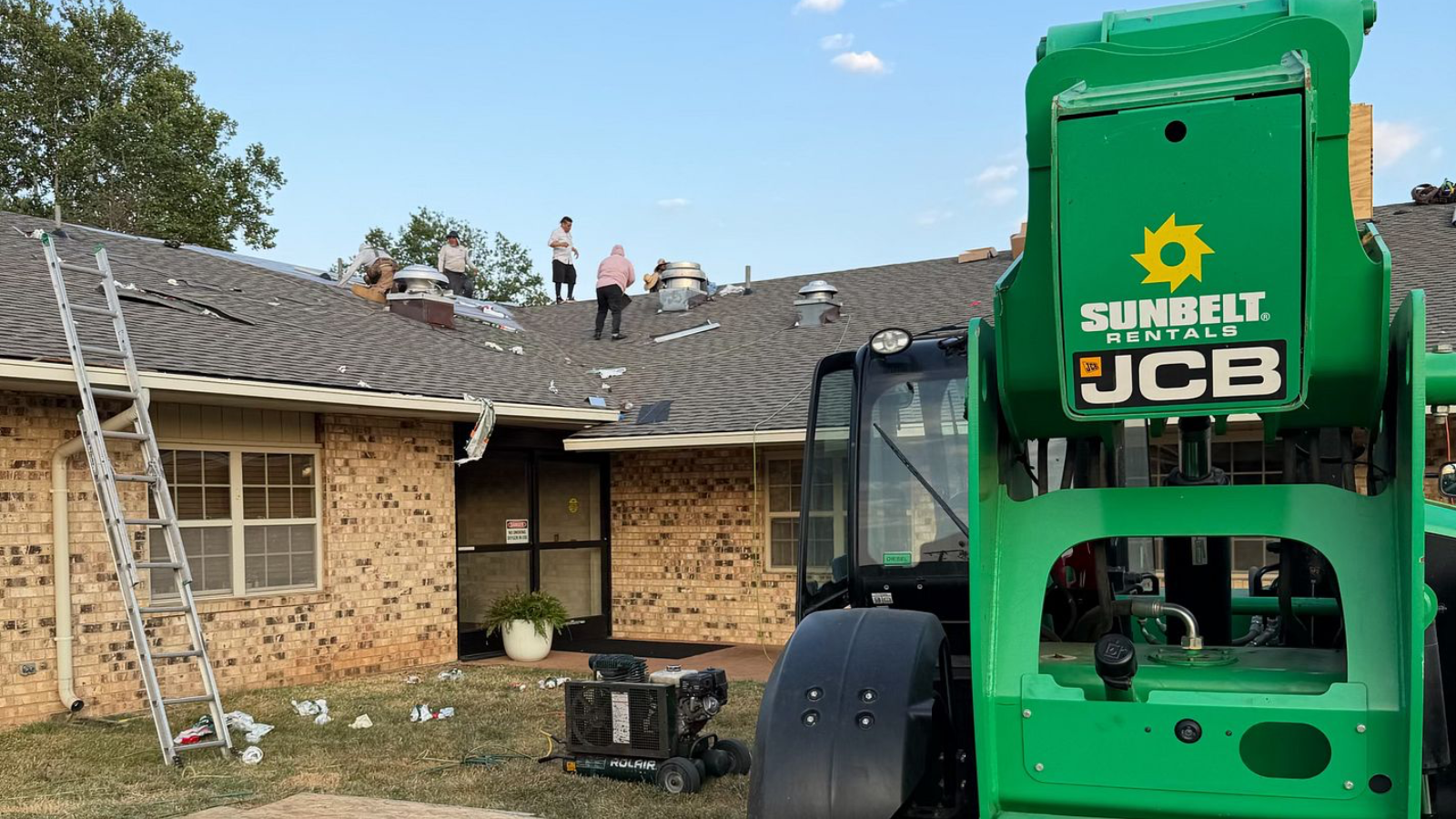
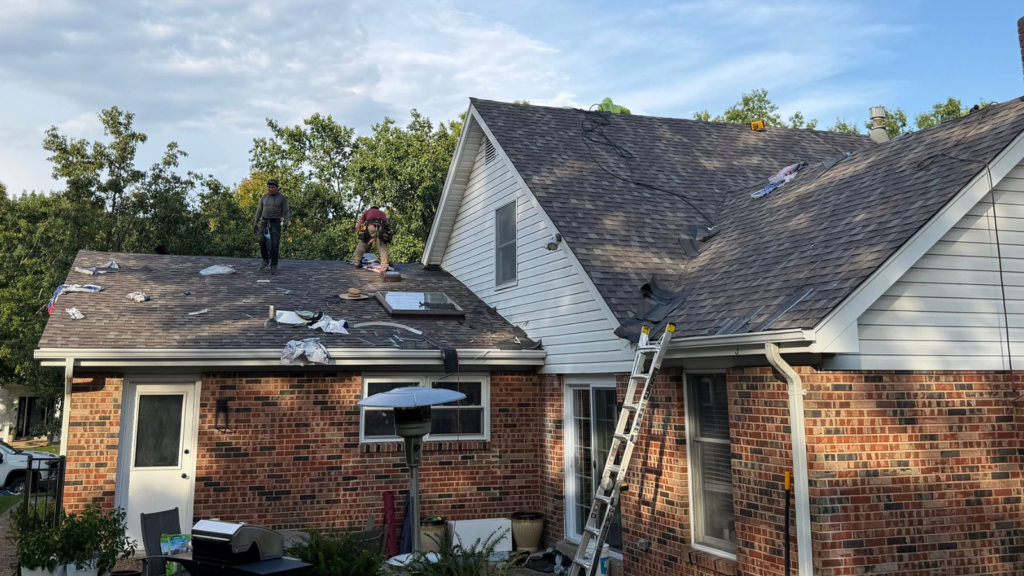
Before getting into why the approach needs to change, it’s worth defining what we actually mean by a complex roof. A simple roof typically means a basic gable or hip design — two or four sloped planes meeting at a ridge, with minimal interruptions. A complex roof replacement, on the other hand, usually involves several of the following:
- Multiple roof planes meeting at different angles
- Dormers that add extra rooflines and valleys
- Steep pitches above a standard 6/12 slope
- Cross-gables or intersecting rooflines
- Multiple valleys where water flow needs careful management
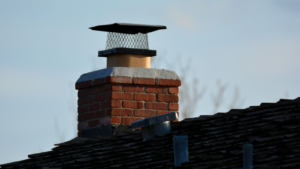
- Chimneys, skylights, and other penetrations scattered across different sections
Homes throughout Chesterfield, Town & Country, and Frontenac often fall squarely into this category, given the larger, more architecturally detailed properties common in those communities. According to industry cost analyses covering roof installation nationwide, a complex roofline with valleys, dormers, and multiple planes can add roughly 15% to 55% more in labor costs compared to a straightforward gable or hip roof, simply because of the additional cutting, fitting, and flashing work involved. That range alone explains why a complex roof replacement almost never fits into a one-size-fits-all pricing model.
Why Complexity Changes the Entire Process
A complex roof replacement isn’t just a bigger version of a simple roofing job — it requires different planning, different materials in some cases, and a crew with the specific experience to handle it properly. Here’s what actually changes.
More Cutting, More Fitting, More Precision
Every valley, dormer, and roof plane intersection requires shingles or panels to be cut and fitted precisely, rather than run in long, uninterrupted rows the way they would be on a simple roof. This isn’t just slower — it demands a level of skill that not every roofing crew has developed. A complex roof replacement done by an inexperienced team often shows up years later as leaks at these transition points, simply because the fitting wasn’t handled with enough precision the first time.
Valleys Require Extra Attention
Roof valleys — the internal angles where two roof planes meet — are where water concentrates as it drains off the roof. On a simple roof, there might be one or two valleys to manage. On a complex roof replacement, there can be five, six, or more, each one needing proper valley flashing and careful shingle installation to handle the increased water flow without leaking.
Steep Pitches Demand Different Safety Measures and Techniques
Many complex rooflines also include steeper pitch sections, sometimes mixed with more moderate slopes on the same home. Based on standard roofing safety practices, pitches above 7/12 typically require additional safety equipment like roof jacks and harnesses, which slows down the work and requires a crew experienced in working safely at that angle. A complex roof replacement often means navigating multiple pitches on a single project, not just one consistent slope throughout.
More Flashing Points Mean More Potential Failure Points
Every dormer, chimney, skylight, and valley needs its own flashing to stay watertight. A complex roof replacement might involve two or three times the flashing work of a simple roof, and each one of those points needs to be done correctly, since a single poorly sealed flashing detail can lead to a leak regardless of how well the rest of the roof was installed.
Material Waste and Ordering Requires More Planning
Cutting shingles or panels to fit odd angles and multiple planes naturally creates more waste than a simple roof layout. Underestimating material needs on a complex roof replacement is a common mistake among less experienced contractors, often leading to work stoppages mid-project while additional material gets ordered.
Why a Generic Approach Falls Short
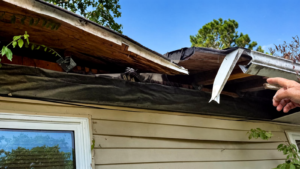
We’ve been called out to fix issues on complex roofs that were originally installed by crews without the right experience for that level of detail. The pattern is almost always similar: valleys that weren’t flashed properly, dormers with rushed, inconsistent shingle cuts, and steep sections where the installation quality clearly dropped off compared to the easier, flatter parts of the roof.
This happens because a complex roof replacement genuinely asks more of a crew, and teams that are used to production-speed work on simple ranch homes sometimes struggle to slow down and apply the same precision across a more demanding layout. According to several national roofing cost guides, this exact issue is one of the most common reasons homeowners end up needing repairs within just a few years of a “completed” roof replacement — the underlying complexity wasn’t respected during the original installation.
How RC Roofing Approaches a Complex Roof Differently
A proper complex roof replacement starts well before anyone climbs a ladder. Here’s how we handle it differently from a standard roofing job.
1. A More Detailed Initial Assessment
Before providing a quote, we walk the entire roofline, documenting every plane, valley, dormer, and penetration point. This isn’t a quick estimate based on square footage alone — a complex roof replacement requires understanding the specific geometry of your home before pricing or planning can happen accurately.
2. Material Planning With Extra Buffer
Given the increased cutting and waste involved, we calculate material needs with additional buffer built in specifically for complex sections, avoiding the mid-project delays that come from underestimating what a detailed roofline actually requires.
3. Assigning Crew Members Based on Experience
Not every roofer on a crew has the same level of experience with valleys, dormers, and steep transitions. For a complex roof replacement, we make sure the most experienced team members are handling the trickiest sections, rather than spreading the work evenly regardless of skill level.
4. Extra Time Built Into the Schedule
A complex roof simply takes longer to do correctly, and we build that reality into the project timeline from the start rather than rushing to hit a deadline meant for a simpler job. Recommendation-wise, we always encourage homeowners to be skeptical of any quote promising a complex roof replacement completed in the same timeframe as a basic gable roof of similar size — that’s often a sign corners are being planned for, even before the work begins.
5. Section-by-Section Quality Checks
Rather than one final inspection at the end, we check work section by section as it’s completed, particularly around valleys, dormers, and flashing points, catching any issues before they’re covered by the next layer of material.
What This Means for Your Project Timeline
Homeowners planning a complex roof replacement should expect a longer project timeline than a simple roof of similar size. While a basic gable roof might be completed in one to two days, a home with multiple dormers, valleys, and pitch changes can reasonably take three to five days or more, depending on the total complexity involved.
This isn’t a sign of inefficiency — it’s a reflection of the additional precision required at every transition point. Homeowners in Wildwood and Eureka, where larger properties with detailed rooflines are common, should factor this extended timeline into their planning, especially if the project needs to be completed before a specific season or event.
Choosing the Right Materials for a Complex Roof
Material choice matters more on a complex roof replacement than it does on a simpler structure, since certain materials handle cutting, fitting, and valley work better than others.
Architectural Shingles These tend to perform well on complex rooflines because of their thicker profile and better flexibility around angles compared to basic 3-tab shingles, making them a common recommendation for detailed roof geometries.
Standing Seam Metal While more expensive, metal roofing on a complex structure requires highly skilled installation for proper panel alignment around valleys and dormers, but offers excellent long-term performance once installed correctly.
Synthetic Slate or Shake For homes in Frontenac and Augusta with more traditional or historic architectural styles, synthetic materials can replicate a classic look while being easier to cut and fit around complex angles than natural slate.
Whatever material you choose, the installation quality matters more on a complex roof replacement than it does on a simpler project, since even premium materials will underperform if they’re not fitted correctly around the home’s unique geometry.
What We See Across Different Communities
Every complex roof we work on across this region comes with its own specific challenges. In Chesterfield and Town & Country, larger custom homes often feature multiple dormers and cross-gables, requiring extensive valley work and careful material planning. In Frontenac, older homes with additions built over the years sometimes have rooflines that weren’t originally designed to work together seamlessly, requiring extra attention during a complex roof replacement to make sure everything ties in properly.
Out toward Union and Pacific, we occasionally see complex farmhouse-style rooflines with steep, traditional pitches that require specific safety measures and slower, more deliberate work. In Augusta, historic homes sometimes call for a complex roof replacement that balances modern materials with a roofline designed decades ago, requiring a thoughtful approach that respects the original architecture while delivering current performance standards.
No matter which of these communities your home sits in, the underlying principle remains the same — the more complex your roofline, the more the replacement process needs to be tailored specifically to your home rather than approached with a generic, one-size-fits-all method.
Questions to Ask Before Hiring a Contractor
If your home has a complex roofline, it’s worth asking specific questions before choosing who handles your complex roof replacement:
- How many valleys, dormers, and roof planes does my home actually have, based on your assessment?
- How does your crew’s experience level match up with a project this detailed?
- What’s a realistic timeline for a project of this complexity, and why?
- How do you handle material ordering to avoid mid-project delays on complex layouts?
- Will the same crew members handle the trickiest sections, or is work spread evenly regardless of experience?
A contractor confident in handling a complex roof replacement will have clear, specific answers rather than vague reassurances. Based on what we’ve seen across this industry, a hesitant or generic response to these questions is often a signal that the crew hasn’t handled projects at this level of detail very often.
The Cost of Getting It Wrong
According to national roofing cost data, complex roofs are also more expensive to repair when something goes wrong, since fixing a poorly installed valley or dormer flashing often means removing surrounding material that was installed correctly just to access the problem area. This is exactly why getting a complex roof replacement right the first time matters so much more than it might on a simpler structure — mistakes are both more likely and more costly to correct after the fact.
Our recommendation for any homeowner facing this kind of project is simple: prioritize experience and a detailed, transparent process over the lowest bid. A complex roof replacement is not the place to cut costs by hiring the least experienced or least prepared crew available.
What Homeowners Can Expect From RC Roofing
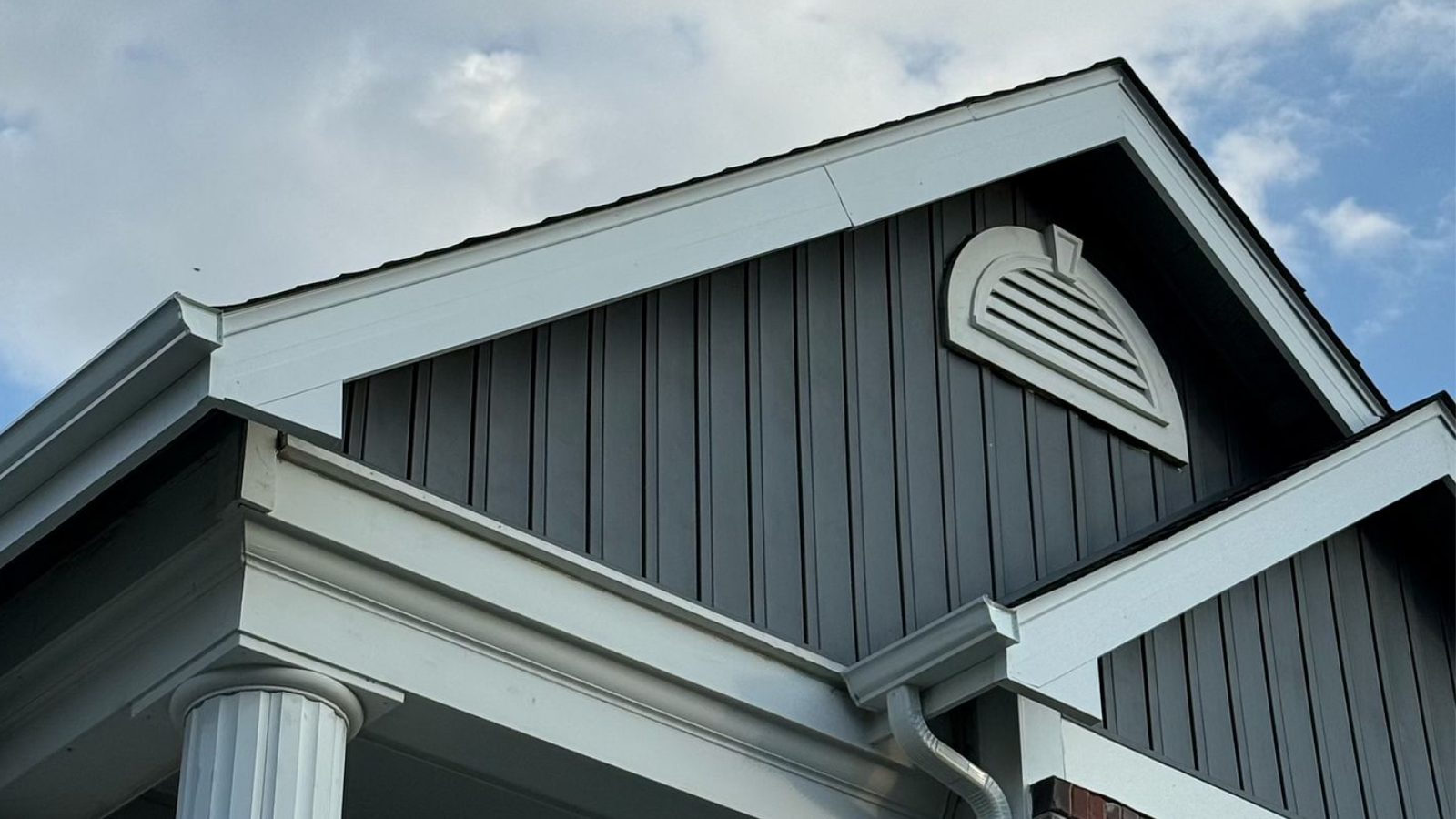
We proudly serve homeowners throughout Washington, Wildwood, Frontenac, Town & Country, Chesterfield, Eureka, Augusta, Union, and Pacific, and a complex roof replacement gets treated exactly the way it should — with a detailed initial assessment, experienced crew placement, realistic timelines, and section-by-section quality checks throughout the entire project.
We walk you through exactly what makes your roof’s geometry unique, explain how that affects both the timeline and the approach, and make sure every valley, dormer, and transition point gets the same level of attention as the simpler sections of your roof.
Ready for a Roof Replacement That Actually Respects Your Roofline?
If your home has a detailed, multi-plane roofline, it deserves a complex roof replacement approach that’s built specifically around that complexity, not a generic process borrowed from a simple gable roof project. Reach out to RC Roofing today, and let’s talk honestly about what your specific roofline actually needs — because the right approach from the start is what keeps a complex roof performing well for decades to come.