It stands up straight, it holds its own line, but does it truly pass the test of time? If your roof looks perfectly normal from the front yard, how would you actually know what’s happening thirty feet above your head?
That’s the question we ask a lot of homeowners across Washington, MO and the surrounding communities, and it usually gets a pause before an answer. Most people genuinely don’t know what’s going on with their roof beyond “it hasn’t leaked yet.” And while that might feel like enough reassurance, it really isn’t — because roofs rarely announce their problems early. By the time damage is obvious from inside the house, it’s often been building for months, sometimes years. That gap between “looks okay” and “actually okay” is exactly what a professional roof inspection is designed to close.
Why a Ground-Level Glance Isn’t Enough
We get it — most people check on their roof the same way: they step into the yard, tilt their head back, and scan for anything obviously wrong. Maybe they’ll check again after a big storm. But here’s the problem with that approach. From ground level, you’re seeing your roof from an angle and distance that hides almost every meaningful detail.
Cracked shingles can look fine from thirty feet away. Small tears in flashing are basically invisible unless you’re standing right next to them. Granule loss, one of the earliest signs of shingle aging, is something you’d need to be inches away to actually notice. This is exactly the gap a professional roof inspection fills — getting close enough, and knowing enough, to catch what a glance from the driveway never will.
What a Professional Roof Inspection Actually Involves
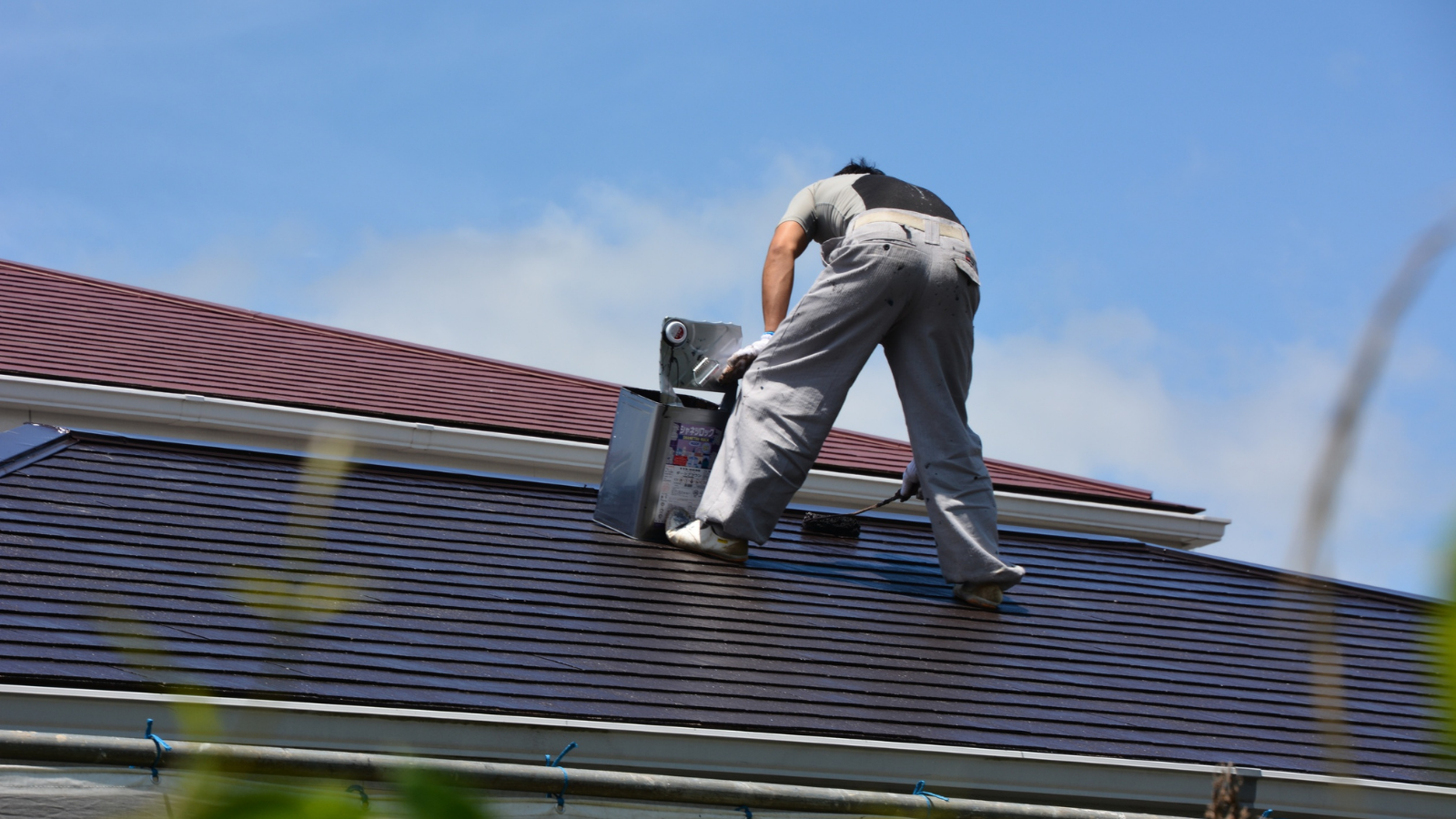
A real inspection isn’t a quick walk around the yard with a pair of binoculars. It’s a structured, hands-on process that covers every major system on your roof, not just the parts that happen to be visible.
Shingle and Surface Assessment
We check every accessible section of the roof surface for cracking, curling, blistering, and granule loss. Granule loss especially matters because it’s often the earliest sign that your shingles are aging past their protective lifespan, and it’s something a professional roof inspection is specifically trained to catch before it turns into exposed, vulnerable roofing material.
Flashing and Seal Integrity
Flashing around chimneys, vents, skylights, and roof valleys is one of the most common places leaks actually start. Metal flashing expands and contracts with temperature changes, and over the years those seals can loosen just enough to let water sneak through. This is a detail that requires hands-on inspection, which is a big part of why a professional roof inspection matters so much more than a visual check.
Gutter and Drainage Check
Clogged, sagging, or improperly pitched gutters don’t just look messy — they force water to sit and pool in places it was never meant to. During a professional roof inspection, we trace the entire drainage path, not just the gutters themselves, to make sure water is actually moving away from your home the way it should.
Attic and Ventilation Review
This is the part that surprises homeowners most. A huge amount of roof damage actually starts from the inside. Poor attic ventilation traps heat and moisture, which accelerates shingle aging from underneath and can quietly lead to mold growth long before it ever shows up as a stain on your ceiling. A thorough professional roof inspection always includes a look inside the attic, not just up on the roof itself.
Structural and Decking Condition
We check for soft spots, sagging decking, and early signs of water intrusion that haven’t worked their way through to your ceiling yet. Catching this stage early is often the difference between a simple, affordable repair and a full section replacement a year or two down the line.
Real Findings From Real Roofs
We could talk in general terms all day, but it’s more useful to talk about what we actually see out in the field. Time and time again, a professional roof inspection uncovers issues the homeowner had no idea existed.
One common example: a homeowner calls us because they noticed a small water stain on a bedroom ceiling. They assume it’s a minor, isolated leak. But once we’re up on the roof, we often find that the actual source is several feet away from where the stain appeared — water travels along the roof deck before it finds a path down through the ceiling, so the visible damage rarely lines up directly with the actual failure point. Without a professional roof inspection tracing that path properly, homeowners often end up patching the wrong spot entirely.
Another frequent find: shingles that look completely fine from the ground but have significant granule loss when you’re standing next to them. Sun exposure and age wear shingles down gradually, and by the time it’s visible from the yard, the roof has often already lost a meaningful chunk of its protective lifespan.
We also regularly discover attic ventilation problems that homeowners had absolutely no idea about — because why would they? Nobody’s checking their attic insulation for moisture buildup on a regular basis. These are exactly the kinds of hidden issues a professional roof inspection is built to catch.
The Local Weather Factor

If you live anywhere in this part of Missouri, you already know the weather doesn’t do anything halfway. We get intense summer heat that bakes roofing material and dries out sealants faster than milder climates. We get winter ice that works its way into the smallest gaps and expands as it freezes. And we get spring storms that bring hail large enough to seriously damage roofing surfaces.
This kind of climate swing is exactly why a professional roof inspection isn’t a one-time event — it’s ongoing maintenance. Homeowners in Wildwood and Eureka often reach out to us specifically after a hail event, wanting to know whether their roof took more damage than it appears to have on the surface. And more often than not, a close inspection reveals bruising or impact damage that simply isn’t visible unless you’re right up next to the shingles, feeling for soft spots and checking for cracked mat beneath the surface layer.
Different Homes, Different Findings
Every roof we inspect tells a slightly different story depending on where the home sits and how it was built, and we see this play out across every town we serve. In Chesterfield and Town & Country, heavier tree coverage tends to mean more debris buildup and moisture retention, which shows up during a professional roof inspection as soft decking or early rot near valleys and edges. In Frontenac, older homes sometimes still have original flashing that’s simply past its expected lifespan, even when the shingles themselves look reasonably new.
Out toward Union and Pacific, we often find roofs that are structurally solid but have ventilation issues that have gone unnoticed for years, quietly shortening the roof’s overall lifespan from the inside out. And in Augusta, where properties tend to be more spread out with larger tree canopies, debris accumulation in valleys and around chimneys is one of the most common findings during inspection.
Wherever you’re located across this region, the underlying truth doesn’t change. A professional roof inspection tailored to your specific home, its age, and its surroundings will almost always reveal something a general glance from the yard never could.
Signs You Shouldn’t Wait to Get Checked
While we always recommend scheduling a professional roof inspection on a regular basis, certain warning signs mean you shouldn’t wait for your next scheduled visit:
- Granules collecting in gutters or at the base of downspouts
- Daylight visible through attic roof boards
- Water stains spreading across ceilings or upper walls
- Shingles that are curling, cracking, or completely missing
- A noticeable jump in energy bills, which can point to ventilation problems
- Visible sagging anywhere along the roofline
If any of these sound familiar, it’s worth having someone take a closer look sooner rather than later. What starts as a small, inexpensive fix can quietly turn into a major repair if it’s left unaddressed for another season.
Why Homeowners Put This Off Anyway
Nobody wakes up excited to think about their roof. If there’s no obvious leak dripping into a bucket, it’s easy to assume everything’s fine and move on with the day. But that mindset is exactly what allows small, manageable problems to grow into expensive ones.
Think about it the way you’d think about a car’s brakes. You don’t wait for them to fail completely before getting them checked — you get ahead of it because catching wear early is cheaper, safer, and far less stressful than dealing with a full breakdown. A professional roof inspection works the same way. It’s a small, manageable investment of time that protects a much larger investment — your home.
What Sets RC Roofing’s Inspection Process Apart
We’re not interested in walking your roof for ten minutes and handing you a vague, generic checklist. When our team performs a professional roof inspection, we document every finding with photos, walk you through exactly what we found in plain, straightforward language, and give you honest recommendations instead of unnecessary upsells.
If your roof is in solid shape, we’ll tell you that directly, no exaggeration. If there’s a minor issue worth keeping an eye on, we’ll flag it and explain a realistic timeline. And if something genuinely needs attention now, we’ll walk you through your options without any pressure tactics. Every professional roof inspection we perform is built around one simple goal: giving you clarity, not confusion.
We also recognize that every property in this region is different. A roof inspection on a home in Frontenac surrounded by mature oak trees requires a different eye than one on a newer build out in Eureka with wide open sun exposure. Our team adjusts its approach based on your home’s age, roofline complexity, materials, and surrounding environment — never a one-size-fits-all checklist copied from house to house.
The Real Cost of Skipping It
Let’s talk numbers for a moment, because this is often what convinces homeowners to finally book an appointment. A small roof leak caught early might cost a few hundred dollars to repair. That same leak, left unnoticed for a year, can lead to rotted decking, ruined attic insulation, mold remediation, and interior drywall repair — easily climbing into the thousands.
Insurance companies also pay close attention to maintenance history when processing claims. If storm damage is discovered without any documented inspection history, some insurers may question whether that damage happened recently or built up gradually from neglect. Having a documented professional roof inspection on file gives you a paper trail that protects you exactly when it matters most.
How Often You Should Actually Schedule One
As a general rule, we recommend a professional roof inspection twice a year — once in spring, after winter weather has had its chance to cause hidden damage, and once in fall, to prepare for the colder months ahead. On top of that seasonal rhythm, any time a major storm rolls through with high winds or hail, it’s worth having your roof checked regardless of where you are in your regular schedule.
For homeowners throughout Washington, Wildwood, Chesterfield, and the surrounding communities, this timing lines up well with Missouri’s weather patterns, giving you a full, accurate picture of your roof’s condition before extreme heat or extreme cold has the chance to make small issues significantly worse.
Booking Your Inspection With RC Roofing
If it’s been a while since anyone’s actually been up on your roof — or if you’ve never had a genuine inspection done at all — there’s no better time to change that. Our team proudly serves homeowners throughout Washington, Wildwood, Frontenac, Town & Country, Chesterfield, Eureka, Augusta, Union, and Pacific, bringing the same detailed, honest process to every property we inspect.
A professional roof inspection shouldn’t feel complicated or stressful. It should feel like exactly what it is: a smart, simple step that protects your home, your budget, and your peace of mind for years to come.