Old shingles pile and old nails fall, but what’s hiding underneath tells the real story of it all. So before your next roof goes on, have you ever stopped to ask what’s actually happening to the layer that’s already there?
It’s a question most homeowners across Washington, MO never think to ask, mostly because it isn’t the exciting part of a roof replacement. Picking out shingle colors is fun. Talking about warranties feels productive. But the step that happens before any of that — actually removing the old roofing material down to bare decking — is where the real quality of a roofing job gets decided. This is exactly why a professional roof tear-off isn’t just a formality. It’s the foundation, quite literally, of everything that gets installed afterward.
What a Roof Tear-Off Actually Is
Before we get into why it matters, let’s clear up what we’re actually talking about. A roof tear-off means completely removing the existing roofing material — shingles, underlayment, and any old flashing — down to the bare wood decking. From there, the deck gets inspected, repaired if needed, and a brand-new roofing system gets built from scratch.
This is different from what’s called a roof overlay, where new shingles are installed directly on top of the old ones without removing anything underneath. An overlay might sound like a faster, cheaper option, and on the surface, it is. But a professional roof tear-off exists precisely because that shortcut creates problems that don’t show up until years later, usually at the worst possible time.
Why Skipping the Tear-Off Is Riskier Than It Looks
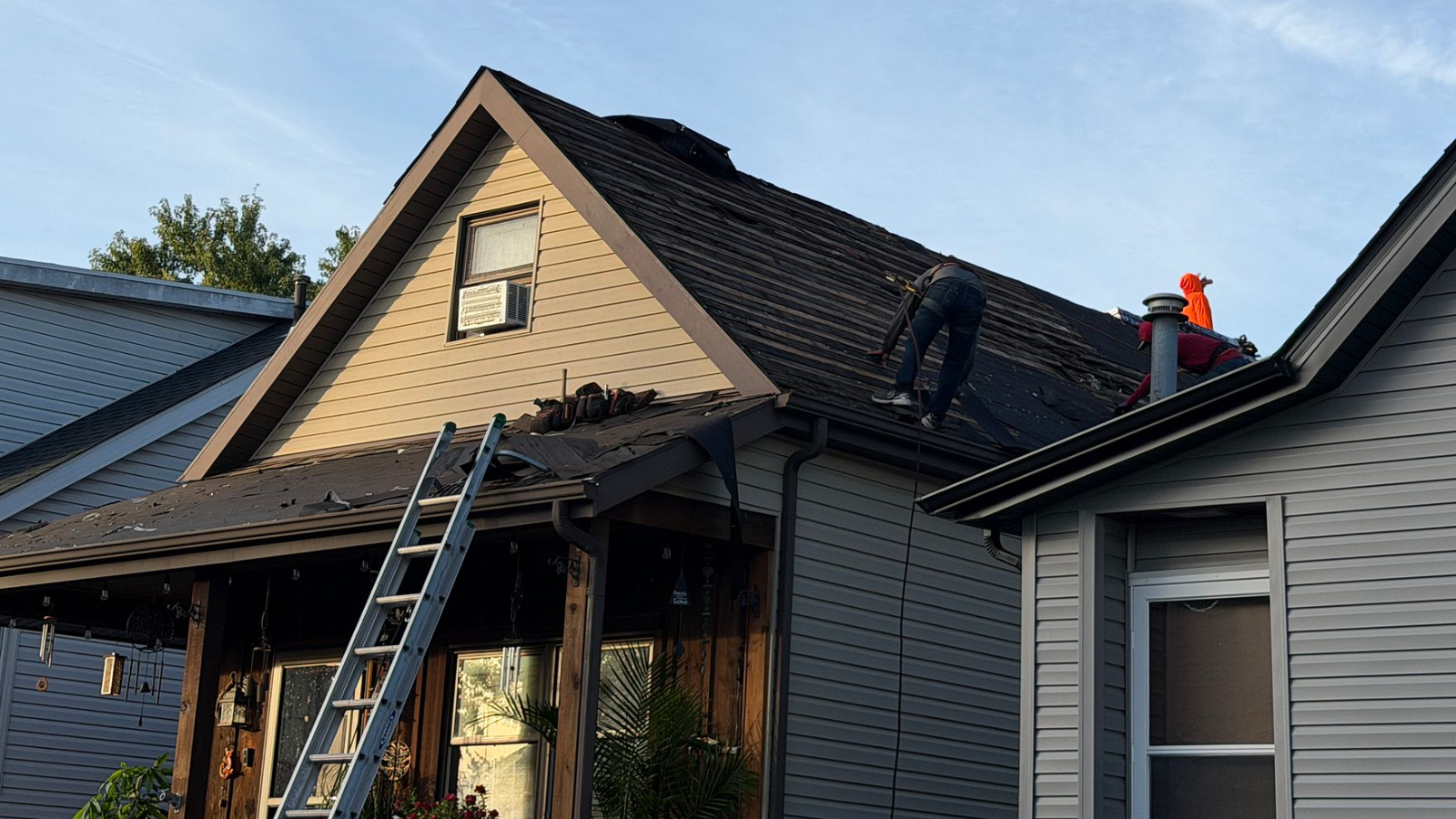
Installing new shingles over old ones might seem harmless, but here’s what actually happens underneath that extra layer. Moisture, rot, and structural damage on the original deck stay completely hidden, since nobody’s actually looking at the wood underneath. A professional roof tear-off is the only way to actually see what condition your roof deck is in, and that matters more than most homeowners realize.
There’s also a weight issue. Every layer of shingles adds significant weight to your roof structure. Most manufacturers and building codes limit how many layers can legally be stacked, and for good reason — too much accumulated weight can stress the structural framing of your home over time. A professional roof tear-off avoids this problem entirely by starting fresh instead of piling on.
And then there’s the warranty question, which is one of the most overlooked consequences of skipping a proper tear-off. Many shingle manufacturers won’t honor a full warranty on roofing installed over an existing layer, since they can’t guarantee performance on a surface they never inspected. A professional roof tear-off keeps that warranty intact, because the new roofing system goes on a clean, verified deck exactly the way it’s meant to.
What Happens During a Proper Tear-Off
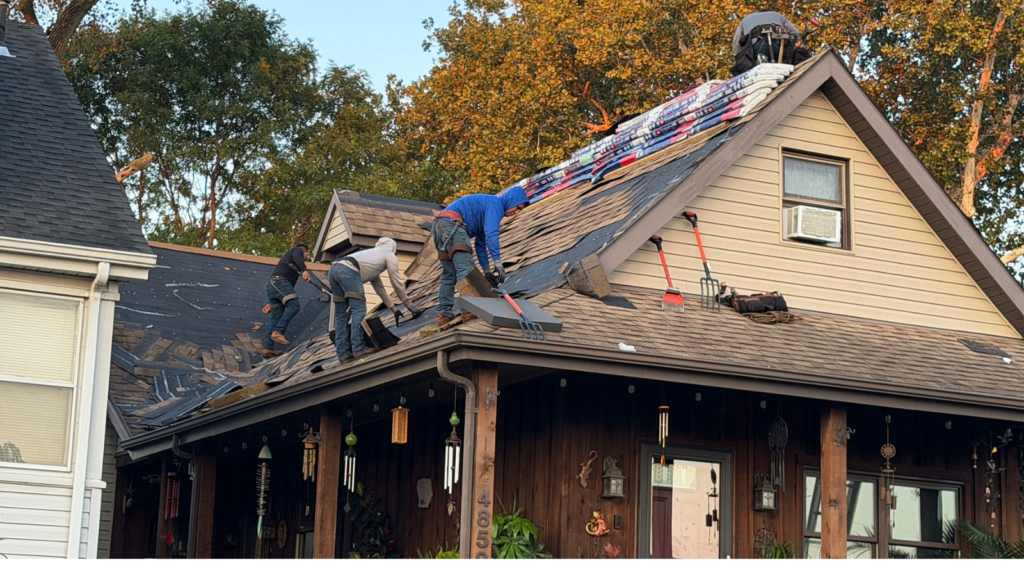
A genuine professional roof tear-off is a methodical process, not just ripping shingles off as fast as possible. Here’s what it actually involves, step by step.
1. Complete Removal of Old Roofing Material
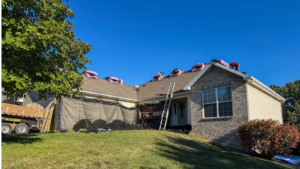
Every layer of existing shingles, old underlayment, and deteriorated flashing gets stripped away completely. This isn’t a partial job — a real professional roof tear-off means the entire roof surface goes back down to bare wood decking, section by section, until nothing old remains.
2. Deck Inspection
Once the old material is removed, the roof deck itself gets a full inspection. This is the moment that reveals what an overlay would’ve hidden forever — soft spots, rotted plywood, water staining, or areas where the wood has weakened from years of trapped moisture. A professional roof tear-off is genuinely the only reliable way to catch this kind of damage before it becomes a much bigger structural problem.
3. Deck Repair or Replacement
Any compromised sections of decking get replaced before new roofing goes on top. Installing a brand-new roof over a rotted or weakened deck is a little like painting over rust — it might look fine for a while, but the underlying problem is still there, quietly getting worse.
4. Debris Removal and Site Cleanup
Tear-off generates a significant amount of debris — old shingles, nails, and underlayment fragments. A professional roof tear-off includes a proper cleanup process throughout the job, not just a final sweep at the very end, to keep your property safe from stray nails and material.
5. Fresh Underlayment and Flashing Installation
With the deck clean, repaired, and verified, new underlayment and flashing go on as the true foundation for the new shingles. This step only works properly when it’s built on a surface that’s actually been inspected and prepared, which is the entire point of a professional roof tear-off in the first place.
What We Find During Tear-Offs More Often Than People Expect
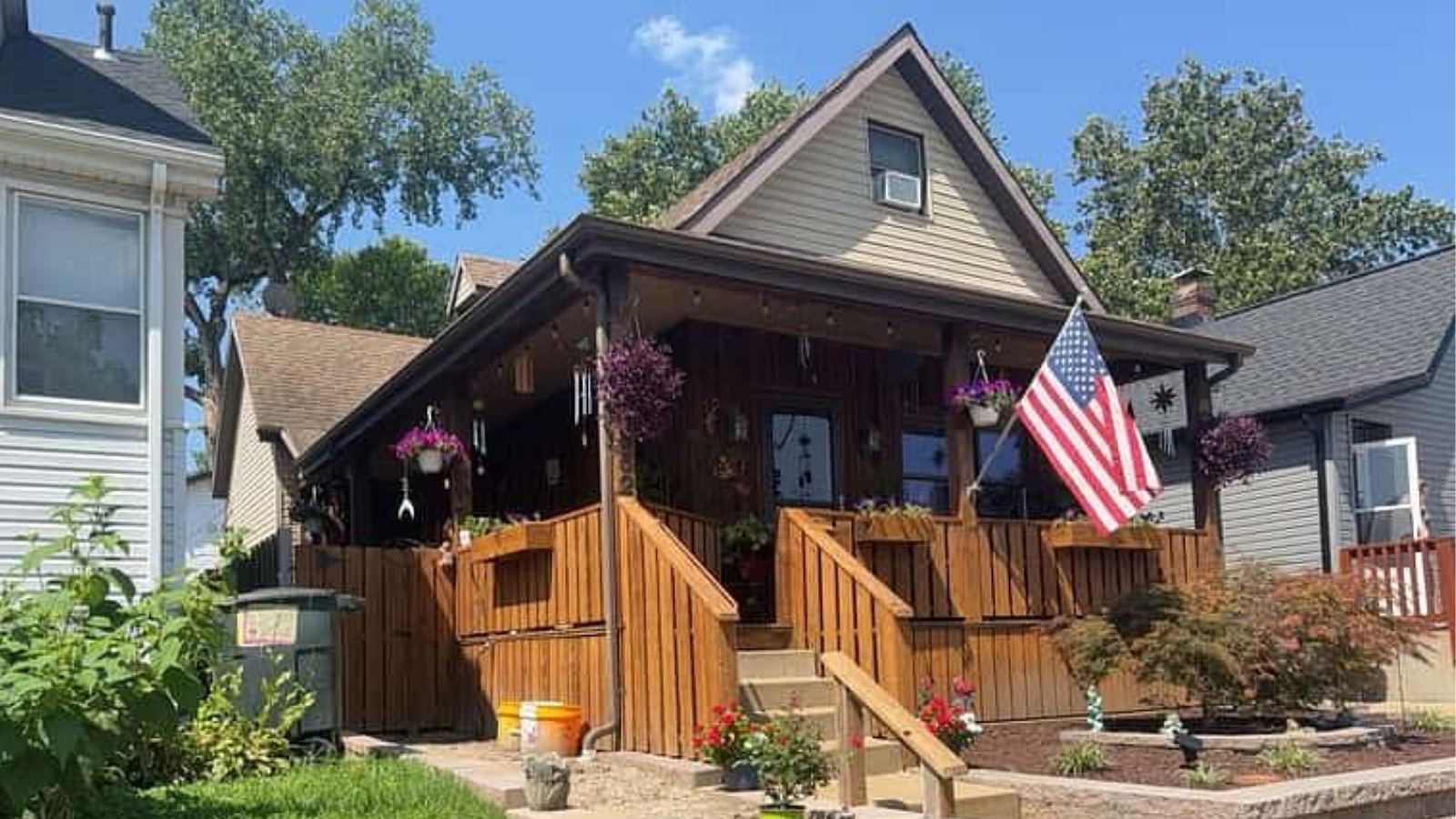
We’ve pulled back more roofs than we can count across this region, and certain issues show up far more often than most homeowners assume. Water damage around chimneys and vent pipes is one of the most common findings, usually caused by flashing that failed years before anyone noticed a leak inside the house. Soft or rotted decking near roof valleys is another frequent discovery, often the result of slow, unnoticed moisture buildup over several seasons.
We also regularly find old, improperly installed flashing hiding underneath layers of shingles — something that never would’ve been caught without a full professional roof tear-off. In some cases, we’ve found two or even three layers of old shingles stacked on top of each other from previous roofing jobs, adding significant unnecessary weight to the home’s structure without the homeowner ever realizing it.
These aren’t rare exceptions. They’re common enough that we consider a proper tear-off one of the most important parts of any roofing project, not just a preliminary step to get through quickly.
Missouri Weather Makes This Even More Important
Anyone who’s lived in this part of the state for a while knows our weather doesn’t do anything gently. Summers bring intense heat that dries out and stresses roofing material. Winters bring ice and freeze-thaw cycles that work their way into even the smallest gaps. And spring storms bring wind and hail strong enough to compromise roofing systems that weren’t properly maintained.
This kind of climate variation is exactly why a professional roof tear-off matters so much here specifically. A hidden weak spot in your deck that might go unnoticed for years in a milder climate can turn into a serious structural issue much faster under Missouri’s weather extremes. Homeowners in Wildwood and Eureka, where storm damage is a regular concern, benefit enormously from a proper tear-off simply because it reveals problems before they get worse under the next round of severe weather.
Different Homes, Different Findings Across the Region
Every home we work on tells a slightly different story once the old roofing comes off, and that story often depends on the age and location of the property. In Frontenac and Town & Country, older homes sometimes reveal original decking that’s decades old and due for partial replacement, something a professional roof tear-off is the only way to actually confirm. In Chesterfield, larger rooflines with more valleys and penetrations tend to show more flashing-related wear once the shingles are removed.
Out toward Union and Pacific, we frequently encounter homes with multiple layers of old shingles stacked from previous roofing jobs, making a full tear-off not just recommended but often required by current building codes. In Augusta, properties with heavier tree coverage often reveal moisture damage in valleys and around chimneys that wouldn’t have been caught without stripping the roof down completely.
No matter where your home sits across this region, the underlying lesson stays consistent. A professional roof tear-off is the only step in the entire process that actually tells you the truth about what’s happening beneath your shingles.
The Overlay Temptation — And Why It’s Not Worth It
We understand the appeal of skipping a tear-off. It’s faster, it’s usually cheaper upfront, and the finished roof can look identical from the street. But a roof overlay is essentially a decision to trade a smaller cost now for a much larger risk later.
Here’s the practical problem: if there’s ever a hidden leak, rot, or structural issue underneath that first layer, an overlay guarantees it stays hidden until it’s serious enough to show up as a major interior problem. And when that day comes, you’re not just paying for repairs — you’re paying to remove two full layers of shingles instead of one, plus whatever structural damage has developed in the meantime. A professional roof tear-off avoids that entire scenario by dealing with problems honestly and upfront, when they’re still small and manageable.
There’s also a simple truth in roofing that experienced contractors know well: you can’t properly install new roofing material on a surface you haven’t actually inspected. An overlay isn’t really a roofing installation in the full sense — it’s a temporary cosmetic fix layered on top of an unknown foundation.
Questions to Ask Before Choosing a Contractor
If you’re getting quotes for a roof replacement, it’s worth specifically asking whether the estimate includes a full tear-off or an overlay, since this single factor changes the entire scope and quality of the job. A few good questions to bring up with any roofing contractor:
- Does your quote include a complete professional roof tear-off, or is this an overlay?
- What happens if you find deck damage once the old roofing is removed?
- How do you handle multiple layers of existing shingles if they’re present?
- Will the manufacturer’s full warranty apply to this installation?
- How do you dispose of the old roofing material once it’s removed?
A contractor who’s confident in their process will have clear, specific answers to all of these. A vague response, especially around whether a tear-off is actually included, is worth paying close attention to before signing anything.
What This Means for Your Long-Term Investment
A roof isn’t just a home improvement project — it’s one of the largest investments most homeowners make in protecting their property. Skipping a professional roof tear-off to save a bit of money upfront often ends up working directly against that investment, since hidden problems left unaddressed almost always resurface as bigger, more expensive repairs later.
On the other hand, a proper tear-off gives you something an overlay never can: an honest, verified starting point. You know exactly what condition your deck is in. You know your new roofing system is going on clean, solid material. And you know your warranty is fully protected, since the manufacturer’s requirements were actually followed instead of shortcut.
What Homeowners Can Expect From RC Roofing
Every roof replacement we perform across Washington, Wildwood, Frontenac, Town & Country, Chesterfield, Eureka, Augusta, Union, and Pacific includes a full professional roof tear-off as a standard part of the process, not an upsell or an optional add-on. We believe it’s simply what a real roofing job requires, and we’ve built our reputation on doing this step properly every single time.
When we tear off your existing roof, we document what we find with photos, walk you through any deck repairs that are needed, and explain exactly why those repairs matter before moving forward. There’s no guesswork and no skipped steps — just an honest, thorough process that protects your home for the long haul.
Ready for a Roof Replacement Done the Right Way?
If you’re planning a roof replacement, it’s worth understanding exactly what’s happening underneath your old shingles before new ones ever go on. A professional roof tear-off isn’t the flashy part of the job, but it’s the part that determines whether your new roof performs the way it’s supposed to for the next 25 to 30 years.