When it comes to maintaining the integrity of a roof, most homeowners focus on visible elements—shingles, flashing, or chimney seals. But one of the most overlooked and underestimated factors in long-term roof health is drainage. In areas like Washington, Wildwood, Frontenac, Town & Country, Chesterfield, Eureka, Augusta, Union, and Pacific, where rainfall is frequent and seasonal changes are intense, a poor drainage system can lead to early deterioration, water infiltration, and costly repairs. Make sure to follow us on RC Roofing Facebook Page in Washington, MO, has seen firsthand how addressing roof drainage repair proactively can drastically reduce the frequency of major roof issues.
Many roof problems start with water not being directed away properly. Whether it’s standing water near valleys, overflowing gutters, or misaligned downspouts, these drainage issues silently undermine roof performance. Understanding the relationship between water management and roof maintenance can help homeowners protect their property more effectively and reduce the need for expensive interventions.
Why Roof Drainage Matters
Drainage plays a central role in protecting a roof’s structure. A well-functioning drainage system ensures water is moved off the roof surface efficiently, preventing pooling, leaks, and ice dams. In contrast, poor drainage accelerates wear and tear on materials, especially around vulnerable areas like eaves, dormers, and low-slope sections.
Proper roof drainage repair is crucial for preventing issues such as:
- Shingle granule loss due to standing water
- Rotted decking and fascia boards
- Mold growth from lingering moisture
- Ice dams forming in winter
- Sagging gutters and compromised drip edges
In Missouri communities like Chesterfield and Eureka, where storms are frequent and rainfall can be intense, managing water flow is essential to maintaining roof durability year-round.
Components of a Roof Drainage System
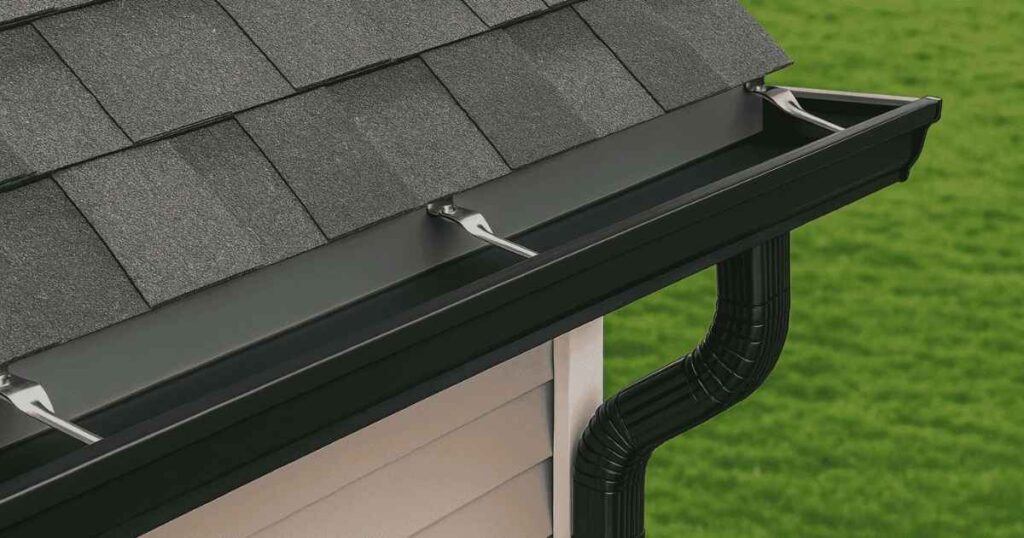
A complete drainage system includes several parts, all working together to remove water from the roof and route it safely away from the home’s foundation. These elements include:
- Gutters – Horizontal troughs that catch water along the edge of the roof
- Downspouts – Vertical pipes that carry water from the gutters to the ground
- Scuppers and Interior Drains – Found on flat or low-slope roofs to direct water to drainage points
- Valleys and Flashing – Help guide water between roof sections
- Drip Edges – Metal flashing installed at roof edges to prevent water from wicking into the decking
RC Roofing offers full-system assessments during every roof drainage repair appointment, ensuring that each of these components is functioning as intended.
How Improper Drainage Increases Roof Repair Frequency
Homes without adequate drainage tend to need more frequent roofing repairs. Water that remains on the surface longer than necessary penetrates small gaps, seeps under shingles, and saturates the roof deck. Over time, this leads to structural weakness and visible leaks.
Common problems that arise from drainage issues include:
- Blistering or curling shingles
- Nail pops and sealant breakdown
- Wood rot around soffits and fascia
- Interior leaks and ceiling stains
- Algae and moss growth in shaded, damp areas
For homeowners in Frontenac, Wildwood, and Pacific, where tree coverage and leaf debris are common, clogged gutters can exacerbate these risks. Regular roof drainage repair prevents this type of gradual deterioration.
Signs That Drainage Issues Are Affecting Your Roof
Drainage problems are often subtle in the early stages but become obvious over time. Homeowners should watch for:
- Water pooling near roof valleys or edges
- Overflowing gutters even during light rain
- Water stains on exterior siding or soffits
- Mold or algae streaks on roof shingles
- Drip lines or eroded soil near the foundation
- Interior leaks after rain, especially near walls
How Missouri Weather Affects Drainage Systems
Missouri’s weather patterns are especially challenging for roof drainage. Heavy spring rains, summer thunderstorms, and ice buildup in winter can all overwhelm or damage poorly maintained drainage components.
- Spring and Summer – Rainfall is heavy and fast, and clogged gutters can’t keep up
- Fall – Leaves fill gutters and block downspouts in areas like Union and Augusta
- Winter – Freezing water in blocked gutters causes ice dams and expansion damage
These seasonal shifts mean that drainage systems must be cleaned, inspected, and adjusted regularly to avoid recurring roof damage. Routine roof drainage repair is part of smart homeownership in the region.
Gutter Systems: First Line of Defense
Gutters do more than protect the foundation—they’re critical to roof longevity. A faulty or undersized gutter system causes water to back up onto the roof, increasing the risk of leaks and shingle damage. Many homeowners in Chesterfield and Town & Country experience frequent gutter overflow due to debris buildup or incorrect pitch.
RC Roofing’s roof drainage repair services include:
- Realigning gutter slopes to improve flow
- Sealing gutter seams and fixing loose hangers
- Replacing undersized or poorly functioning systems
- Installing gutter guards to prevent clogging
- Adding downspout extensions for improved runoff management
Flat and Low-Slope Roof Drainage Considerations
For homes with flat or low-slope roofs, drainage becomes even more critical. Standing water on these surfaces leads to faster membrane degradation and more frequent leak development. Scuppers, crickets, and internal drains must be kept clear and functional to prevent ponding.
In Eureka and Pacific, where some modern homes and additions have flat roof sections, RC Roofing provides specialized roof drainage repair services that include:
- Cleaning and testing internal drainage paths
- Repairing membrane seams near scuppers and drains
- Installing new crickets or saddles to redirect water
- Resealing flat roof transitions and penetrations
The Relationship Between Drainage and Roof Lifespan
One of the biggest factors in how long a roof lasts is how well it manages water. A roof with poor drainage will age much faster than one with optimized runoff systems. In Wildwood and Frontenac, where roof replacements are a significant investment, extending that timeline matters.
Homeowners who invest in roof drainage repair and upkeep benefit from:
- Longer shingle life and fewer blow-offs
- Reduced risk of flashing failure
- Stronger attic ventilation from dry roof structures
- Less need for frequent patchwork or tarping
- Better insulation performance from dry decking
RC Roofing advises that a well-maintained drainage system can extend a roof’s service life by 5–10 years or more.
How RC Roofing Approaches Roof Drainage Repair
RC Roofing provides comprehensive assessments and customized solutions for drainage-related issues. The process includes:
- Full roof inspection focused on water flow
- Gutter, flashing, and downspout evaluation
- Photo documentation of problem areas
- Clear recommendations with repair options
- Installation of upgrades like diverters, guards, and drainage extensions
Maintenance Tips to Support Proper Drainage
Homeowners can take several steps to reduce drainage issues and the need for frequent repairs:
- Clean gutters at least twice a year (spring and fall)
- Check downspouts for blockages after storms
- Watch for water pooling around the foundation
- Trim back overhanging branches to reduce debris
- Inspect attic for moisture or mold near eaves
Drainage and Insurance Considerations
When roof leaks happen due to neglect or poor maintenance, insurance companies may deny claims. Keeping your drainage system in good condition isn’t just about home protection—it’s also part of policy compliance.
Proper documentation of roof drainage repair can support insurance claims and show that the homeowner took necessary precautions. RC Roofing helps customers maintain records, inspection reports, and before-and-after photos as part of their service.
Real Examples from Local Homes
In Augusta, a homeowner reported recurring ceiling stains despite several previous repairs. RC Roofing discovered the root cause: a poorly sloped gutter and missing downspout extension. After correcting the drainage and resealing flashing near the affected area, the issue was fully resolved—without needing a new roof.
In Town & Country, another home experienced siding damage and basement leaks caused by overflowing upper-story gutters. Through targeted roof drainage repair, including wider downspouts and diverters, the property was protected from further water intrusion.
Final Thoughts: Drainage is Roof Health Insurance
For homeowners in Washington, Wildwood, Frontenac, Town & Country, Chesterfield, Eureka, Augusta, Union, and Pacific, investing in a reliable drainage system is one of the most effective ways to protect a roof. Water is relentless—but with the right channels, guards, and slopes in place, its damage can be fully prevented.
Proper roof drainage repair reduces repair frequency, improves roof longevity, protects structural elements, and helps preserve home value. RC Roofing provides expert drainage solutions backed by local experience, precision workmanship, and clear communication.
To book a full inspection or request professional roof drainage repair, contact RC Roofing in Washington, MO today and keep your roof and home safe from the top down.
Frequently Asked Questions About Trusted Roof Drainage Repair Expert
Q: Why is drainage important for my roof?
A: Proper drainage is the most overlooked factor in roof health. It prevents standing water, which leads to leaks, shingle damage, wood rot, and premature roof failure, especially in areas with heavy rain or snow.
Q: What are the main components of a drainage system?
A: The essential parts are gutters, downspouts, valleys, and flashing. On flat roofs, you also rely on scuppers and internal drains.
Q: What visible signs indicate I have a drainage problem?
A: Look for water pooling on the roof, gutters overflowing in light rain, stains on your exterior siding or soffits, and mold/algae streaks on the shingles.
Q: How does poor drainage affect roof lifespan?
A: Poor drainage accelerates wear and tear, forcing you into expensive repairs or replacement sooner. Maintaining your drainage system can extend your roof’s service life by 5–10 years or more.
Q: What should I do to maintain my drainage system?
A: The best maintenance is to clean gutters at least twice a year (spring and fall) and check downspouts for blockages after major storms. Consider gutter guards or professional realignment if you have frequent overflow.