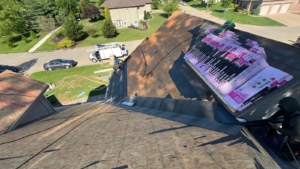
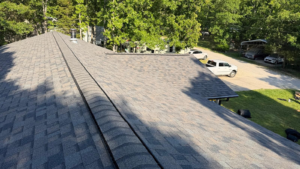
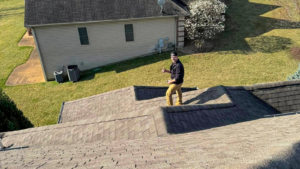
Roof inspections are not just about identifying missing shingles or checking for water damage. They involve climbing ladders, walking on sloped surfaces, and dealing with unpredictable weather. For homeowners in Washington, Wildwood, Frontenac, Town & Country, Chesterfield, Eureka, Augusta, Union, and Pacific, understanding how roofing professionals stay safe during inspections helps highlight the value of hiring experienced contractors like RC Roofing.
Similar safety standards apply to roof safety inspections Frankfort IL and throughout the region. At the core of every job is a non-negotiable priority: roof inspection safety. The goal is not just to complete the inspection efficiently but to do so without injury, damage, or delay. Make sure to follow us on RC Roofing Facebook Page has refined its protocols to ensure that safety is embedded in every stage of the inspection process.
Common Risks During Roof Inspections
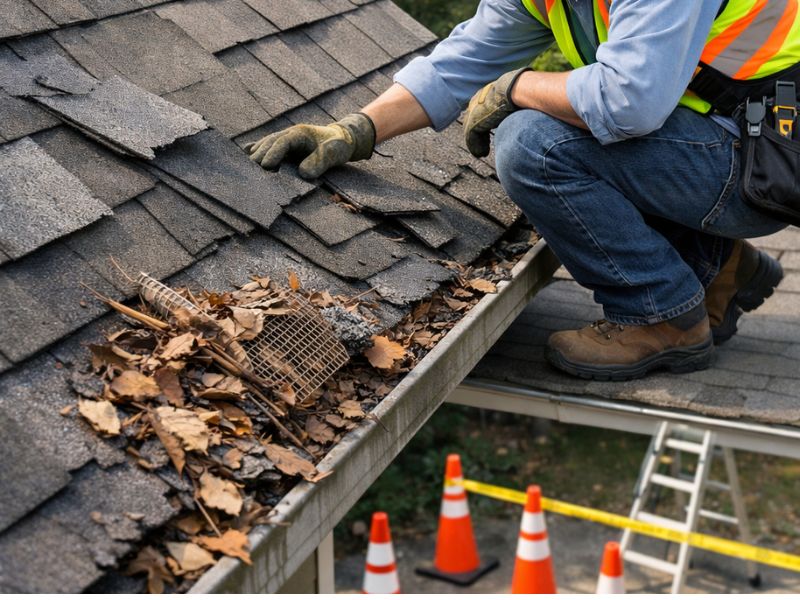
Roof inspections expose professionals to a number of risks, including:
- Falls from ladders or rooftops
- Trips caused by loose debris
- Collapsing weak roof sections
- Electrical hazards from nearby power lines
- Injuries from tools or sharp roofing materials
- Heat exhaustion, especially in the summer months
Professionals trained in roof inspection safety are equipped to anticipate and manage these risks effectively.
Roof Inspection Safety
A roof safety audit is a critical inspection that helps identify potential hazards, structural weaknesses, and compliance issues before they turn into serious accidents or costly repairs. During a professional roof safety audit, experts evaluate walking surfaces, edge protection, access points, drainage areas, and overall roof condition to ensure the roof is safe for maintenance crews and occupants.
Regular audits reduce liability risks, improve long-term roof performance, and help property owners maintain a safer, more reliable roofing system year-round.
Pre-Inspection Safety Checks
Before anyone climbs up, several things must be verified:
Weather conditions: High winds, rain, or lightning can make inspections dangerous.
Roof stability: Weak or damaged areas are identified from the attic or from the ground.
Surrounding environment: Obstacles such as tree branches or power lines are noted.
Protective gear: Helmets, harnesses, gloves, and slip-resistant boots are worn at all times.
At RC Roofing, safety begins long before the ladder goes up. Our crews serving Union, Eureka, and Chesterfield always conduct a site risk assessment to decide whether conditions are safe for inspection. These same protocols are used for roof safety inspections Frankfort IL and neighboring areas.
Ladder Safety Protocols
The first step toward the roof is usually a ladder—one of the most common points of injury in the industry. Following best practices here is crucial:
- Ladders are placed on level, firm ground.
- The ladder extends at least three feet above the roofline.
- It is secured at the top and base to prevent slipping.
- Inspectors always face the ladder while climbing and use both hands.
- Only one person climbs at a time.
Fall Protection Measures
One of the most critical safety strategies on sloped roofs is fall protection. For homeowners in hilly areas like Eureka or Town & Country, this is especially relevant.
- Harnesses are worn and connected to roof anchors.
- Guardrails or toe boards are used where possible.
- Warning lines are established on large roofs.
- All safety gear is inspected before use to ensure compliance with OSHA standards.
Safe Walking Techniques on Roofs
Walking on a roof isn’t like walking on solid ground. Sloped, slippery, or uneven surfaces can be a serious hazard. Roofing professionals are trained to:
- Walk along structural support lines (e.g., trusses or rafters).
- Keep their center of gravity low.
- Wear slip-resistant boots with proper tread.
- Avoid stepping on fragile elements like skylights or vents.
- Use caution around steep pitches.
Special Considerations: Safety of Walking on Roof-Mounted Solar Panels for Inspection
Modern homes increasingly feature solar installations, which require additional roof inspection safety protocols. When it comes to the safety of walking on roof-mounted solar panels for inspection, professionals must exercise extreme caution. Solar panels present unique hazards including electrical risks, fragile surfaces, and altered weight distribution. Trained inspectors know to:
- Never step directly on solar panels as they can crack or break
- Walk only on designated pathways between panel arrays
- Wear appropriate non-conductive footwear
- Ensure panels are de-energized when possible
- Use specialized equipment to inspect panels from safe distances
Understanding the safety of walking on roof-mounted solar panels for inspection is essential for both traditional roofing inspections and specialized solar maintenance.
Using Drones for Safer Inspections
One of the newest tools in professional roof inspection safety is drone technology. This method allows for a comprehensive view of hard-to-reach areas without stepping foot on the roof.
Advantages include:
- Eliminates fall risks
- Captures detailed images and videos
- Provides thermal imaging for hidden damage
- Reduces inspection time
- Particularly useful for assessing the safety of walking on roof-mounted solar panels for inspection
Roof risk management
Roof risk management helps homeowners protect their property by identifying potential roofing problems before they turn into costly damage. Through regular inspections, early repairs, and proper maintenance planning, roof risk management reduces the chances of leaks, structural weakening, and unexpected repair expenses.
This proactive approach ensures your roof remains durable, safe, and reliable throughout changing weather conditions while extending its overall lifespan.
Proper Use of Tools and Equipment
Beyond the ladder and harness, professionals use a range of tools during inspections:
- Moisture meters
- Flashlights
- Roof probes
- Cameras or tablets
- Infrared scanners
Communication on the Job Site
Good communication is a vital part of maintaining roof inspection safety, especially when more than one technician is involved.
- Walkie-talkies or mobile devices are used to maintain contact.
- A ground person is assigned to monitor and assist if needed.
- Emergency protocols are reviewed at every job.
Understanding Roof Types and Their Hazards
Different roof materials and designs carry different risks. For example:
Metal roofs are slippery, especially with morning dew.
Tile roofs can crack under uneven weight distribution.
Asphalt shingles may be loose or damaged in spots.
Flat roofs can collect standing water, creating hidden hazards.
Solar panel roofs require special expertise regarding the safety of walking on roof-mounted solar panels for inspection.
Dealing with Hazardous Roof Conditions
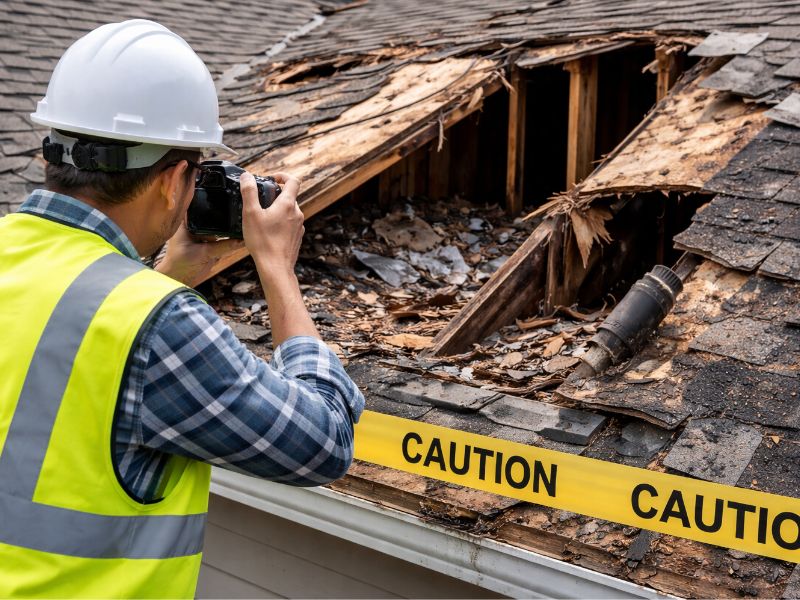
Some inspections reveal urgent hazards—like collapsing decking or major structural instability. In these situations, the priority is to halt the inspection and take the following steps:
- Photograph the damage from a safe distance.
- Notify the homeowner immediately.
- Schedule repairs before proceeding with further inspection.
Why Homeowners Should Avoid DIY Roof Inspections
With so many tutorials online, some homeowners feel confident doing their own roof checks. But this is not only risky—it’s ineffective.
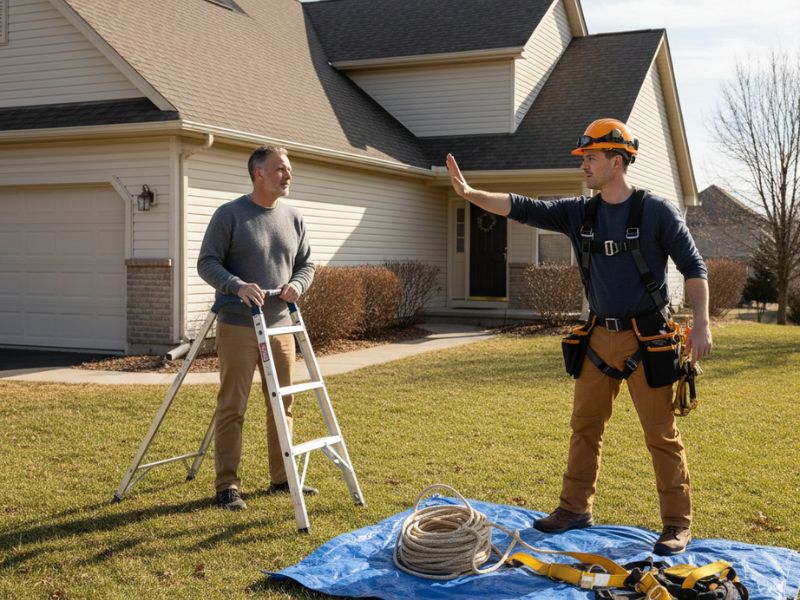
- Most don’t own proper safety gear.
- Structural issues may go unnoticed.
- Insurance may not cover injuries during DIY work.
- Minor issues can be misdiagnosed or worsened.
- Special hazards like the safety of walking on roof-mounted solar panels for inspection require professional knowledge.
What Homeowners Can Do to Support Safe Inspections
You can play a role in ensuring a safe inspection by:
- Keeping pets and children inside
- Clearing the area around your home
- Informing us of any known structural problems (including solar panel installations)
- Giving full access to attic or crawlspaces
- Staying off the roof yourself
What Happens After a Safe Inspection
After ensuring the structure is sound and the crew is safe, here’s what comes next:
- Detailed findings are documented
- Photos and measurements are reviewed
- Minor repairs may be scheduled
- Major issues are quoted with clear timelines
- A long-term maintenance plan may be proposed
Final Thoughts
In Missouri and Illinois, where storms, hail, and seasonal wear are part of life, roof inspections are essential. But more important than spotting the issues is ensuring the professionals conducting your inspection are protected.
At RC Roofing, roof inspection safety isn’t just a set of rules—it’s a mindset. Whether you need roof safety inspections in Frankfort IL or live in Pacific, Augusta, or right here in Washington, we bring the same level of diligence, care, and professionalism to every home.
Schedule your safe, thorough roof inspection with RC Roofing contact us today. Let’s protect your home—and everyone working on it.
Frequently Asked Questions:
Q: What is the single most important safety priority during a roof inspection?
A: Fall protection (avoiding falls from ladders or rooftops) is the cornerstone of roof inspection safety.
Q: Name three common risks roofing professionals encounter.
A: Falls, trips on debris, and collapsing weak roof sections.
Q: What key checks are done before a ladder goes up?
A: Weather conditions (must be dry/calm), roof stability assessment, and confirming harnesses and PPE are ready.
Q: What are the critical elements of ladder safety?
A: Placing the ladder on level ground, ensuring it extends three feet above the roofline, and securing it at the top and base.
Q: How does drone technology improve safety?
A: It eliminates fall risk by allowing inspectors to get a detailed view from the ground, especially useful for assessing the safety of walking on roof-mounted solar panels for inspection.
Q: Why should a homeowner avoid DIY roof inspections?
A: Homeowners usually lack proper safety gear, training, and insurance coverage, making falls and misdiagnosis highly likely.
Q: What special precautions are needed for solar panel roofs?
A: The safety of walking on roof-mounted solar panels for inspection requires specialized training, non-conductive equipment, and knowledge of electrical hazards. Professionals never step directly on panels and use designated pathways.
Q: Do you provide roof safety inspections in Frankfort IL?
A: Yes, RC Roofing provides comprehensive roof safety inspections Frankfort IL with the same rigorous safety protocols we use throughout Missouri and Illinois.