Wind damage is one of the most common causes of roof failure in Missouri. While missing shingles often get the most attention after a storm, the real problem frequently starts underneath the surface. Roof fasteners play a critical role in keeping roofing materials secured against wind uplift, pressure changes, and weather stress.
At RC Roofing, we help homeowners throughout Washington, Wildwood, Frontenac, Town & Country, Chesterfield, Eureka, Augusta, Union, and Pacific understand when roof fastener repair is needed and why replacing worn or improperly installed fasteners can prevent far more serious roof damage.
This guide explains how roofs work, why they fail, how wind uplift affects your roof, and when roof fastener repair becomes essential for long term protection.
What Roof Fasteners Do And Why They Matter
Roof fasteners are the hardware that secure shingles, underlayment, decking, and other roofing components to the roof structure. They may be nails or screws depending on the roofing system and installation method.
Properly installed fasteners ensure that roofing materials stay firmly attached during high winds and sudden pressure changes. When fasteners loosen, corrode, or pull out, the roof becomes vulnerable to wind uplift.
Roof fastener repair restores the holding strength that keeps roofing systems intact during storms.
Understanding Wind Uplift On Residential Roofs
Wind uplift occurs when wind flows over a roof surface and creates pressure differences between the exterior and interior of the structure. As wind speed increases, negative pressure builds and tries to lift roofing materials upward. Missouri storms often bring gusty winds that exploit weak points in the roof system.
Loose or failing fasteners allow shingles and decking to lift, shift, or detach completely. Roof fastener repair helps close these weak points before wind uplift causes widespread damage.
Common Causes Of Roof Fastener Failure
Fasteners fail for several reasons over time. One of the most common is age. As roofs expand and contract with temperature changes, fasteners can gradually loosen. Improper installation is another major cause.
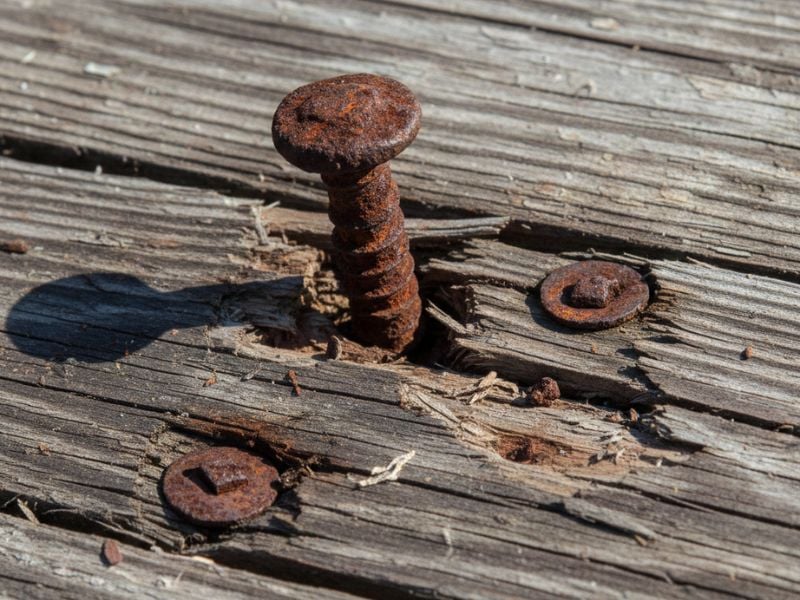
Fasteners that are overdriven, under driven, or placed incorrectly do not provide proper holding strength. Moisture exposure can also lead to corrosion, especially in older roofs where fasteners were not galvanized or coated for durability. Roof fastener repair addresses these issues by replacing compromised fasteners and correcting installation problems.
Signs Your Roof May Need Fastener Replacement
Fastener problems are not always visible from the ground, but there are warning signs homeowners should watch for.
- Curling or lifting shingles
- Loose or missing shingles after wind events
- Popping sounds during high winds
- Interior leaks without obvious shingle damage
- Soft or uneven roof decking
These symptoms often indicate underlying fastener failure. Roof fastener repair helps stabilize the roofing system before more extensive damage develops.
How Wind Uplift Worsens Fastener Damage
Once fasteners begin to loosen, wind uplift accelerates the problem. Each wind event pulls on roofing materials, enlarging fastener holes and reducing grip.
Over time, this repeated stress can cause shingles to tear away and decking panels to shift. The longer fastener issues remain unresolved, the greater the risk of partial or full roof failure.
Timely roof fastener repair interrupts this cycle and reinforces the roof against future storms.
Metal Roof Fasteners
Metal roofing systems require specialized fasteners designed to withstand thermal expansion and contraction. Unlike asphalt shingle applications, metal roofs must accommodate the unique movement characteristics of metal panels while maintaining a watertight seal.
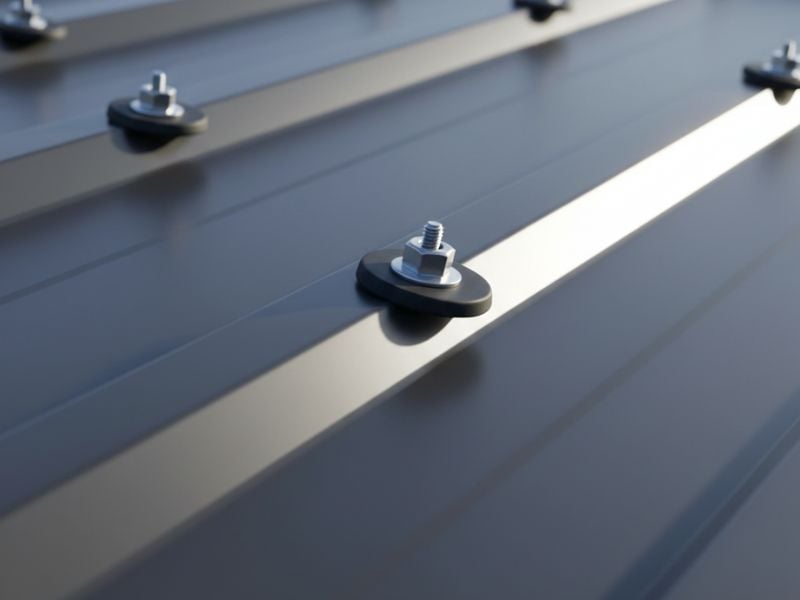
Metal roofs typically feature rubber washers or gaskets that compress against the roofing surface to prevent water intrusion. These fasteners are specifically engineered to resist corrosion and provide superior holding power in high wind conditions.
Proper installation of metal roof is critical because over tightening can damage the gasket seal while under tightening allows water penetration and panel movement. RC Roofing technicians understand the precise torque requirements for different metal roofing profiles and ensure each fastener performs optimally.
Hidden Fastener Steel Roofing
Hidden fastener steel roofing uses clips or brackets concealed beneath overlapping panels rather than exposed fasteners on the roof surface. This design reduces water intrusion risk and provides superior aesthetic appeal.
The hidden clip system allows metal panels to expand and contract with temperature changes without stressing fasteners or creating leaks. However, this advanced installation method requires professional expertise, as improper clip placement can compromise the entire system.
RC Roofing has extensive experience with hidden fastener steel roofing installations and can assess systems for potential issues while maintaining roof integrity and appearance.
Roof Fastener Repair Versus Full Roof Replacement
Not every roof with fastener issues needs to be replaced. In many cases, roof fastener repair can extend the life of the existing roof when the shingles and decking are still in serviceable condition.
A professional inspection determines whether fastener replacement alone is sufficient or if broader repairs are required.
Roof fastener repair is often a cost effective option when addressed early.
The Role Of Decking In Fastener Performance
Roofs rely on solid decking for holding strength. If decking has deteriorated due to moisture or age, fasteners cannot perform properly.
During roof fastener repair, RC Roofing evaluates decking condition to ensure replacement fasteners have a secure base.
Ignoring decking issues during fastener repairs reduces effectiveness and increases the likelihood of future problems.
Why Older Roofs Are More Vulnerable
Many homes in Missouri still have roofs installed decades ago under older building standards. Fastener spacing, materials, and installation techniques have improved significantly over time.
Older roofs may have fewer fasteners or fasteners that no longer meet current wind resistance expectations.
Roof fastener repair brings older roofing systems closer to modern performance standards without full replacement when possible.
Impact Of Improper Fasteners On Shingle Performance
Shingles depend on proper fastening to seal correctly and resist wind. Loose fasteners allow shingles to flex excessively, breaking seals and exposing underlayment.
This exposure increases the risk of leaks and accelerates shingle wear. Roof fastener repair restores proper attachment and helps shingles perform as designed.
Roof Fastener Repair And Leak Prevention
Leaks are often blamed on shingle damage alone, but fastener failure is a common hidden cause. Loose fasteners create pathways for water intrusion, especially during wind driven rain.
Roof fastener repair closes these pathways and reduces the risk of moisture entering the roof system.
How Roof Fastener Repair Is Performed
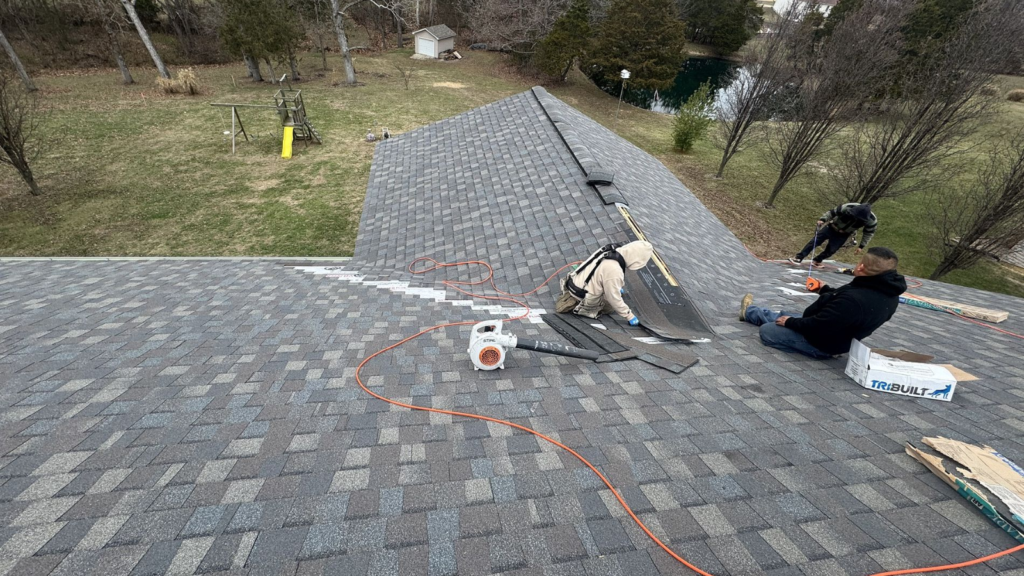
Roof fastener repair begins with a detailed inspection to identify loose, corroded, or improperly installed fasteners.
Damaged fasteners are removed and replaced with appropriate materials designed for durability and holding strength. Fastener placement and depth are corrected to ensure optimal performance.
The goal of roof fastener repair is to restore consistent attachment across the roofing system.
Importance Of Professional Roof Fastener Repair
Fastener replacement requires precision and experience. Incorrect fastener selection or placement can worsen problems rather than fix them.
Professional roof fastener repair ensures compatibility with existing materials and adherence to best practices for wind resistance.
RC Roofing technicians understand local weather patterns and roofing requirements across Washington, Wildwood, Frontenac, Town & Country, Chesterfield, Eureka, Augusta, Union, and Pacific.
Preventing Future Wind Damage Through Maintenance
Routine inspections help identify fastener issues early. Addressing small problems through roof fastener repair reduces the likelihood of storm related damage.
Preventive maintenance is especially important in areas prone to strong winds and seasonal storms.
How Roof Fastener Repair Protects Home Value
A secure roof protects the entire structure. Fastener problems left unresolved can lead to visible damage, leaks, and reduced buyer confidence.
Roof fastener repair preserves roof integrity and helps maintain property value.
Insurance Considerations And Fastener Issues
Insurance claims often focus on visible storm damage. However, pre-existing fastener problems can complicate coverage decisions.
Documented roof fastener repair demonstrates proactive maintenance and can support future claims by showing the roof was properly cared for.
Why Choose RC Roofing For Roof Fastener Repair
RC Roofing provides detailed inspections, honest assessments, and professional roof fastener repair tailored to Missouri homes.
Our team understands how local wind conditions affect roofing systems and applies solutions designed for durability and reliability.
Serving Washington And Surrounding Missouri Communities
RC Roofing proudly serves homeowners throughout Washington, Wildwood, Frontenac, Town & Country, Chesterfield, Eureka, Augusta, Union, and Pacific.
Our experience with local housing styles and weather conditions allows us to deliver roof fastener repair solutions that perform when it matters most.
Final Thoughts
Roof fasteners are a small component with a major role in roof performance. When fasteners fail, wind uplift becomes a serious threat to shingles, decking, and the overall structure.
Roof fastener repair addresses these vulnerabilities before they lead to costly damage. For homeowners across Washington and surrounding Missouri communities, RC Roofing provides expert roof fastener repair focused on wind resistance, longevity, and peace of mind.
Frequently Asked Questions
What are the signs that my roof needs replacement?
Look for curling shingles, popping sounds during winds, loose shingles after storms, unexplained leaks, and soft decking.
How does wind uplift damage roofs?
Wind creates upward pressure that loosens fasteners, enlarges holes, and reduces grip until materials detach.
Can roof fastener repair extend the life of my existing roof?
Yes, replacing compromised fasteners can significantly extend roof life when other components remain serviceable.
What’s the difference between metal roofs and standard shingle fasteners?
Metal fasteners have rubber washers for watertight seals and require precise installation torque.
Why do older roofs have more fastener problems?
Older roofs used fewer fasteners with outdated materials that corrode and loosen over time.