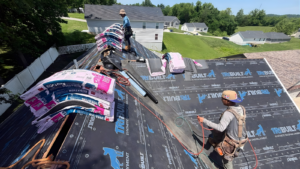
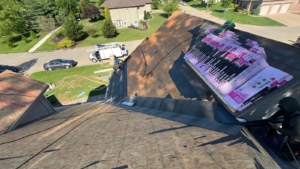
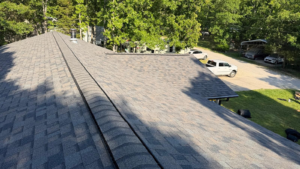
Replacing your roof is one of the most significant investments you can make in your home. Beyond choosing the right materials and contractor, understanding your roof replacement warranty is essential for protecting that investment long term. Maximum Roofing Warranties Explained clearly helps homeowners avoid costly surprises down the road. Many homeowners assume all roof warranties are the same, only to discover gaps in coverage when problems arise.
At RC Roofing, we help homeowners across Washington, Wildwood, Frontenac, Town & Country, Chesterfield, Eureka, Augusta, Union, and Pacific understand how roof replacement warranty coverage works so there are no surprises after installation.
What Is a Roof Replacement Warranty?
A roof replacement warranty is a written guarantee that protects homeowners against specific defects or failures related to their new roofing system. Warranty coverage depends on the type of warranty provided and how the roof is installed.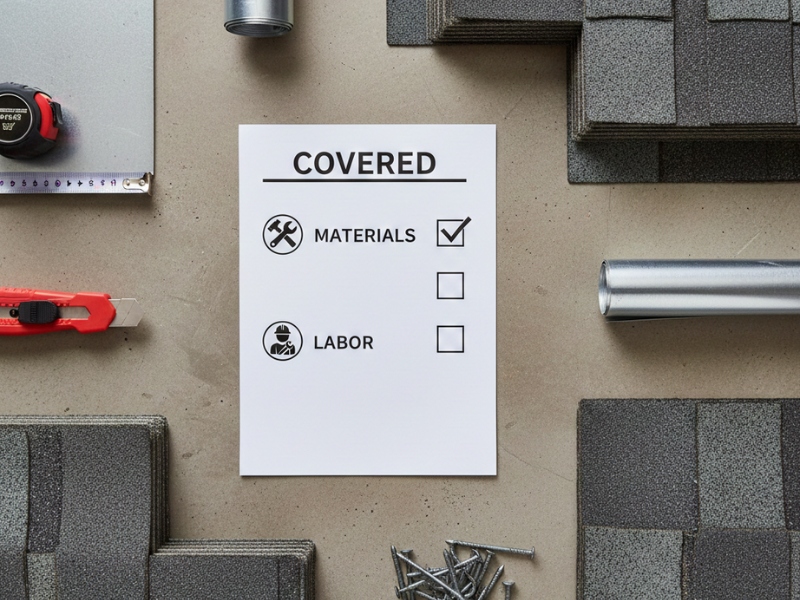
Most roof replacement warranty protection includes two main components: manufacturer warranties and workmanship warranties. Both play a critical role in protecting your roof investment. With roofing warranties explained properly, homeowners can make informed decisions about their roof replacement projects and avoid costly misunderstandings down the road.
Understanding Manufacturer Roof Warranties
Manufacturer warranties cover defects in the roofing materials themselves. This includes asphalt shingles, underlayment, flashing, and other system components produced by the manufacturer. These warranties protect homeowners if the roofing materials are faulty or fail prematurely due to manufacturing defects.
What Manufacturer Warranties Cover
Manufacturer roof warranties generally cover manufacturing defects, premature material failure, and abnormal deterioration not caused by external factors. Warranty coverage length varies based on the product and manufacturer, ranging from 10 years to lifetime coverage on premium roofing products.
High-quality shingle manufacturers like GAF, Owens Corning, and CertainTeed offer comprehensive warranty protection when materials are installed correctly by certified contractors.
What Manufacturer Warranties Don’t Cover
A roof replacement warranty from the manufacturer does not cover installation errors, storm damage, hail damage, poor ventilation, lack of maintenance, or normal aging and wear. If the roof is not installed according to strict manufacturer specifications, warranty coverage may be denied entirely.
Wind damage, algae growth from poor maintenance, and damage from walking on the roof also typically void manufacturer warranty coverage.
Understanding Workmanship Warranties for Roofing
Workmanship warranties are provided by the roofing contractor and cover installation quality. This portion of your roof replacement warranty protects against errors made during the installation process. At RC Roofing, our workmanship warranties are designed to protect homeowners long after the roof replacement is complete.
What Workmanship Warranties Cover
Workmanship warranties typically cover leaks caused by improper installation, flashing installation issues, fastening errors, improper shingle alignment, and other installation-related problems. Quality roofing contractors stand behind their work with strong workmanship guarantees that last for years.
A comprehensive workmanship warranty should cover all labor and installation errors, giving you peace of mind that your roof was installed correctly.
What Does the Roof Warranty Cover?
When you get a new roof, your warranty protects you in two main ways. The manufacturer warranty covers problems with the roofing materials, like defective shingles or materials that fail too early. The workmanship warranty covers mistakes made during installation, such as leaks from poor installation or flashing errors.
With maximum roof warranties explained simply, most standard warranties cover the materials but not the labor to fix them. Some enhanced warranties will pay for both materials and labor. Always read your warranty papers carefully and ask your roofer what is and isn’t covered before work begins.
Why Installation Quality Matters for Warranty Coverage
Even premium roofing materials can fail if installed incorrectly. Installation errors are one of the most common reasons roof replacement warranty claims are denied. Improper nailing patterns, incorrect underlayment placement, inadequate attic ventilation, and poor flashing details can all void warranty coverage.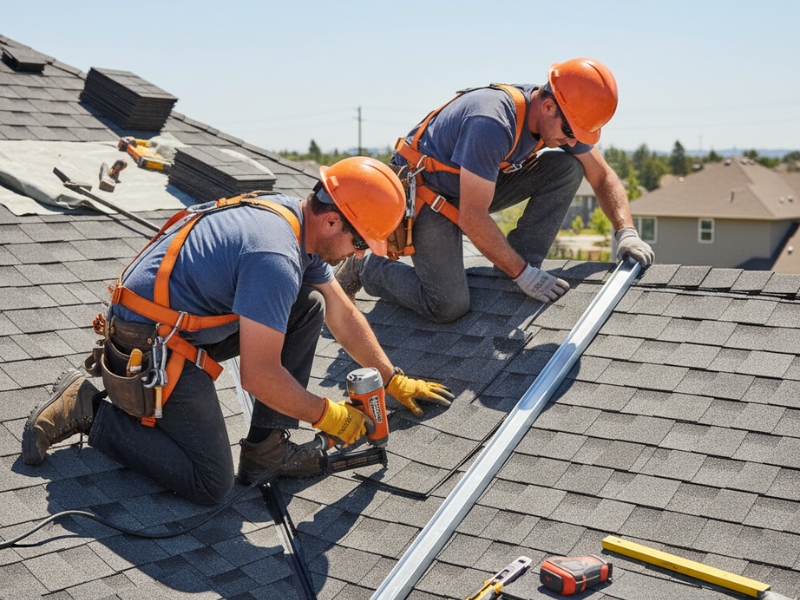
Professional roof installation is essential for keeping your roof replacement warranty valid. Certified roofing contractors follow manufacturer specifications precisely to ensure your warranty protection remains intact. This is why choosing an experienced, reputable roofing company matters so much for your long-term investment and warranty protection.
Enhanced and Extended Roof Warranty Options
Some manufacturers offer enhanced roof replacement warranty options when certified contractors complete the installation. These upgraded warranties often provide additional benefits beyond standard warranty coverage.
Enhanced roof warranties may include longer coverage periods of 50 years or lifetime protection, labor coverage for repairs, system-wide protection that covers multiple roofing components, and improved transferability when you sell your home. RC Roofing follows manufacturer-approved installation practices that may qualify homeowners for these extended warranty options and maximum protection.
Roof Warranty Transferability and Home Resale Value
Many roof replacement warranties can be transferred to a new homeowner if the property is sold. Transferable roof warranties can increase home resale value significantly and provide peace of mind to potential buyers who want assurance about the roof’s condition and remaining coverage.
Transfer rules vary by manufacturer and often require documentation to be submitted within a specific time frame after the home sale. Some manufacturers charge a small transfer fee, while others allow free warranty transfers within certain time limits. Check your specific warranty documents for transfer requirements.
Common Roof Warranty Exclusions to Know
Understanding warranty exclusions is just as important as understanding coverage. Most roof replacement warranty agreements exclude damage caused by severe weather events like hail storms or tornadoes, falling tree debris, improper repairs by unauthorized contractors, lack of routine maintenance, or modifications made after installation.
Homeowners should carefully review all warranty documentation and ask questions before roof replacement begins. Having maximum roofing warranties explained by your contractor helps you understand what situations are not covered and how to protect your roofing investment properly.
How Missouri Weather Impacts Roof Warranty Protection
Missouri weather presents unique challenges for roofing systems throughout the year. Extreme temperature fluctuations, high winds, heavy rain, snow accumulation, and ice dams all affect roof performance and longevity.
A replacement warranty may require specific wind-rated roofing materials, proper attic ventilation design, and moisture management systems to remain valid. RC Roofing installs roof systems designed to perform in Missouri’s demanding climate conditions while maintaining full manufacturer warranty compliance and protection.
Maintenance Requirements for Roof Warranty Coverage
Many roof replacement warranty agreements require routine maintenance to remain valid and enforceable. Skipping annual roof inspections or failing to address minor issues can lead to denied warranty claims when bigger problems develop later.
Annual professional roof inspections help identify small issues before they become major expensive problems. Regular gutter cleaning, debris removal, moss and algae treatment, and prompt repairs all help protect warranty coverage and extend roof life expectancy. Keeping detailed records of all maintenance work is important for future warranty claims and documentation.
Filing a Roof Warranty Claim Successfully
When roofing issues arise, filing a replacement warranty claim properly is essential for getting repairs covered. Homeowners should document the problem thoroughly with photos, contact their roofing contractor immediately, and provide all warranty paperwork and installation documentation.
RC Roofing assists homeowners through the warranty claim process to ensure proper documentation and communication with manufacturers. We help determine whether the issue falls under manufacturer or workmanship warranty coverage and guide you through each step of the claims process.
Manufacturer vs Contractor Warranty Responsibility
Manufacturer warranties cover defects in roofing materials and products, while workmanship warranties cover installation quality and labor. In some cases, both warranties may apply to the same roofing issue, requiring coordination between the manufacturer and roofing contractor.
Knowing who is responsible for what helps homeowners avoid confusion and delays when problems occur. When roofing warranties explained clearly outline these distinctions, homeowners know exactly who to contact when issues arise and can get faster resolution.
How RC Roofing Protects Your Warranty Investment
RC Roofing takes roof replacement warranty protection seriously. Every installation follows manufacturer specifications exactly, includes proper attic ventilation planning, and is fully documented with photos and detailed installation records for future reference.
Our team ensures homeowners understand their warranty coverage completely, what maintenance is required, and how to maintain protection long term. We’re here to answer questions and assist with any warranty issues that arise throughout the life of your roof.
Questions to Ask Before Roof Replacement
Before starting a roof replacement project, homeowners should ask important questions: What warranties are included with my new roof? How long does warranty coverage last? Is the roof warranty transferable to future homeowners? What maintenance is required to keep the warranty valid? What voids the warranty coverage? Who handles warranty claims if problems arise?
Clear answers help ensure your roof replacement warranty provides real protection. A reputable roofing contractor will take time to explain all warranty details in plain language and provide written documentation.
Final Thoughts on Roof Warranty Coverage
A roof replacement warranty protects more than just your roof. It protects your home, your investment, and your peace of mind for decades to come. Understanding warranty coverage, exclusions, and maintenance requirements ensures your roof performs as expected for years.
Working with experienced professionals like RC Roofing means getting quality roofing materials, expert installation, and comprehensive warranty protection. Contact us today to discuss your roof replacement needs and learn more about the warranty options available for your home in Missouri.
Frequently Asked Questions:
1.How Long Does a Roof Warranty Last?
Manufacturer warranties last 20 to 50 years or lifetime. Workmanship warranties range from 1 to 10 years.
2.What Voids a Roof Warranty?
Improper installation, skipping maintenance, unauthorized repairs, and poor ventilation void warranties. Keep maintenance records.
3.Can You Transfer a Roof Warranty When Selling Your Home?
Yes, most warranties are transferable. Some manufacturers charge $50-$300 transfer fees.
4.Does a Roof Warranty Cover Storm Damage?
No. Warranties cover defects and installation errors only. Storm damage is covered by homeowners insurance.